
Home
/
Cares & Tips for Shades, Blinds
/
Can You Install Blinds on Sliding Glass Doors? (Yes, Here's How)

Can You Install Blinds on Sliding Glass Doors? (Yes, Here's How)
If you've got sliding glass doors, you probably love the natural light they bring in and how they connect your space to the outdoors. But you might be wondering: can you actually install blinds on these big glass panels? The short answer is absolutely yes—and we're here to show you exactly how to do it.
Sliding glass doors need window treatments just like any other window in your home. Whether you're looking for privacy, better light control, energy savings, or just a polished look, the right blinds can totally transform your space. The good news is that installing blinds on sliding doors isn't as complicated as it might seem. With the right type of blinds and a bit of know-how, you can get professional-looking results in just a few hours.
In this guide, we'll walk you through everything you need to know about putting blinds on your sliding glass doors—from choosing the right style to the actual installation process. Let's get started.
Why You Should Install Blinds on Sliding Glass Doors
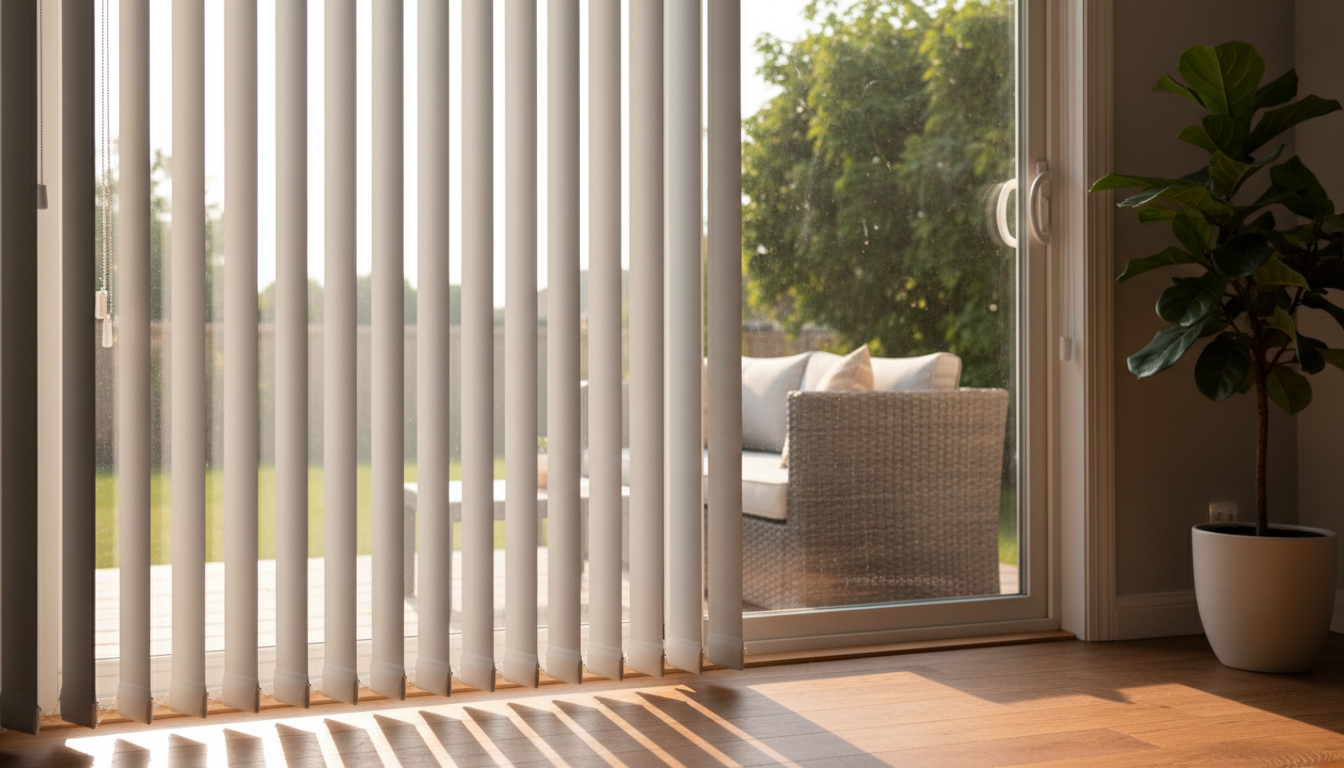
Before we get into the how-to, let's talk about why blinds are such a smart choice for sliding doors. These aren't just decorative additions—they actually solve some real problems that come with having large glass surfaces in your home.
First up is privacy. Without any window coverings, your sliding glass doors can feel like you're living in a fishbowl, especially at night when the lights are on inside. Blinds give you instant privacy control whenever you need it. You can adjust them throughout the day to let light in while keeping prying eyes out.
Light control is another huge benefit. Sometimes you want all that beautiful natural sunlight flooding in, and other times you need to cut the glare—like when you're trying to watch TV or take a nap. The right blinds let you fine-tune exactly how much light comes through.
Energy efficiency might not be the first thing on your mind, but it's a big deal. That large pane of glass can be a major source of heat gain in summer and heat loss in winter, which means higher energy bills. Quality blinds, especially insulated options like cellular shades, can help regulate your home's temperature and save you money.
Finally, there's UV protection. The sun's rays streaming through your doors can fade your floors, furniture, and artwork over time. Blinds act as a barrier, protecting your belongings from sun damage.
Best Types of Blinds for Sliding Glass Doors
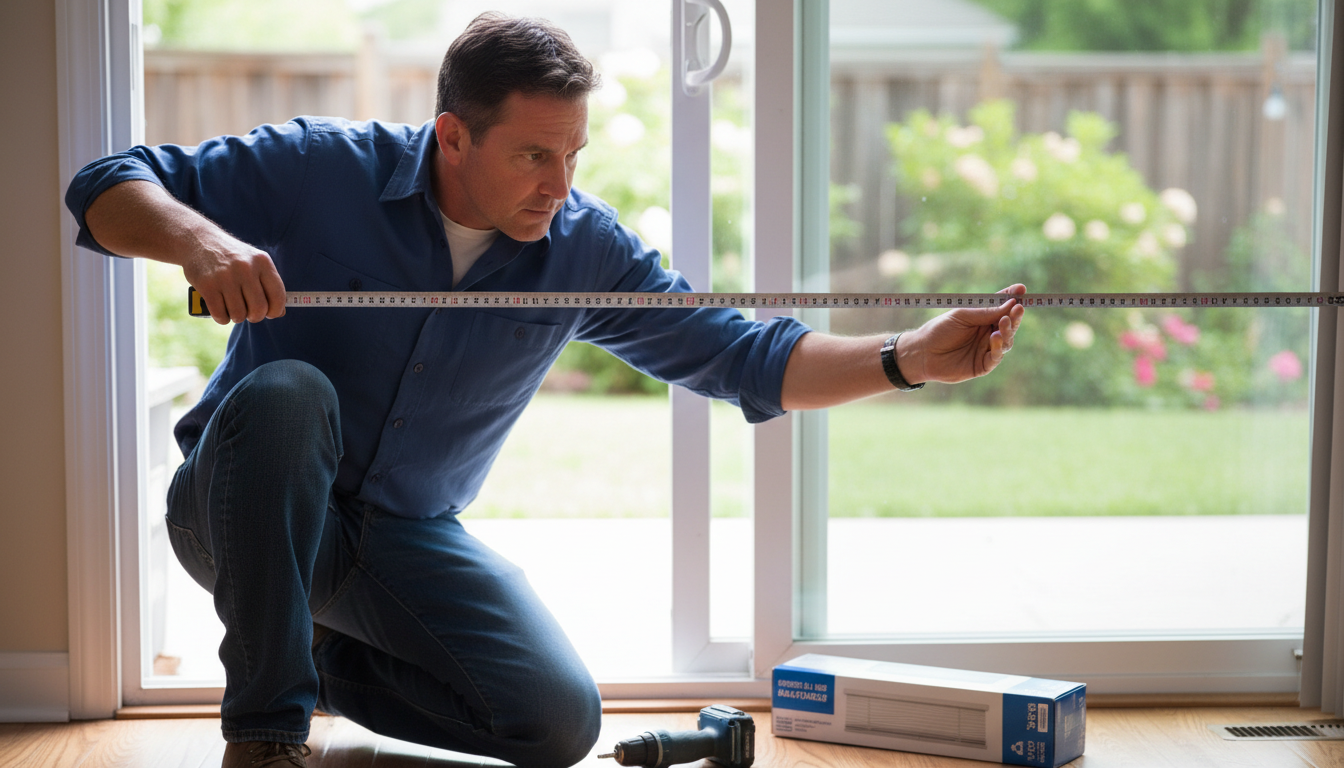
Horizontal blinds don't work for patio doors—they get in your way every time you open the door. You need window treatments that work with how sliding doors actually function. Here are the top options that professionals recommend.
Vertical Blinds are the classic choice for sliding doors, and for good reason. The most common types of sliding glass door blinds inside your home are Vertical Cellular Shades, Vinyl Vertical Blinds, Sliding Panel Track Blinds, and Drapery Panels. Most Patio Doors are covered with Vinyl Verticals. They're durable, economical, and the vertical vinyl slats that can be twisted partially open or flattened to create a closed barrier. The vertical orientation matches the door's movement perfectly, and they stack neatly to one side when you want full access.
Vertical Cellular Shades are a more modern take on the vertical concept. These shades are designed as a single piece instead of individual vertical slats for maximum light control and privacy. Vertical Cellular Shades are created with several honeycomb-shaped pockets that offer an extra layer of insulation to your door, making them very energy-efficient. If energy savings matter to you, these are worth considering. For even more options on modern window treatments, check out our guide on motorized roller shades to see if automation might be right for your space.
Panel Track Blinds offer a sleek, contemporary look. These window coverings consist of large, fabric panels that slide horizontally along a top-mounted track. They offer a modern, minimalist look and are perfect for large windows and Sliding Glass Doors. Plus, you can easily control the amount of light and privacy you receive by sliding the panels open or closed.
Drapery Panels shouldn't be overlooked either. Unlike Vertical Cellular Shades and Sliding Panel Track Blinds, custom Drapery Panels are typically hung in pairs on a curtain rod above your patio door. If the area around your space is tight, this is your least obtrusive solution. They're great for adding softness and can be layered with other treatments.
If you're ready to explore quality options, browse our collection of roller shades that can also work beautifully for large door openings.
How to Measure Sliding Glass Doors for Blinds
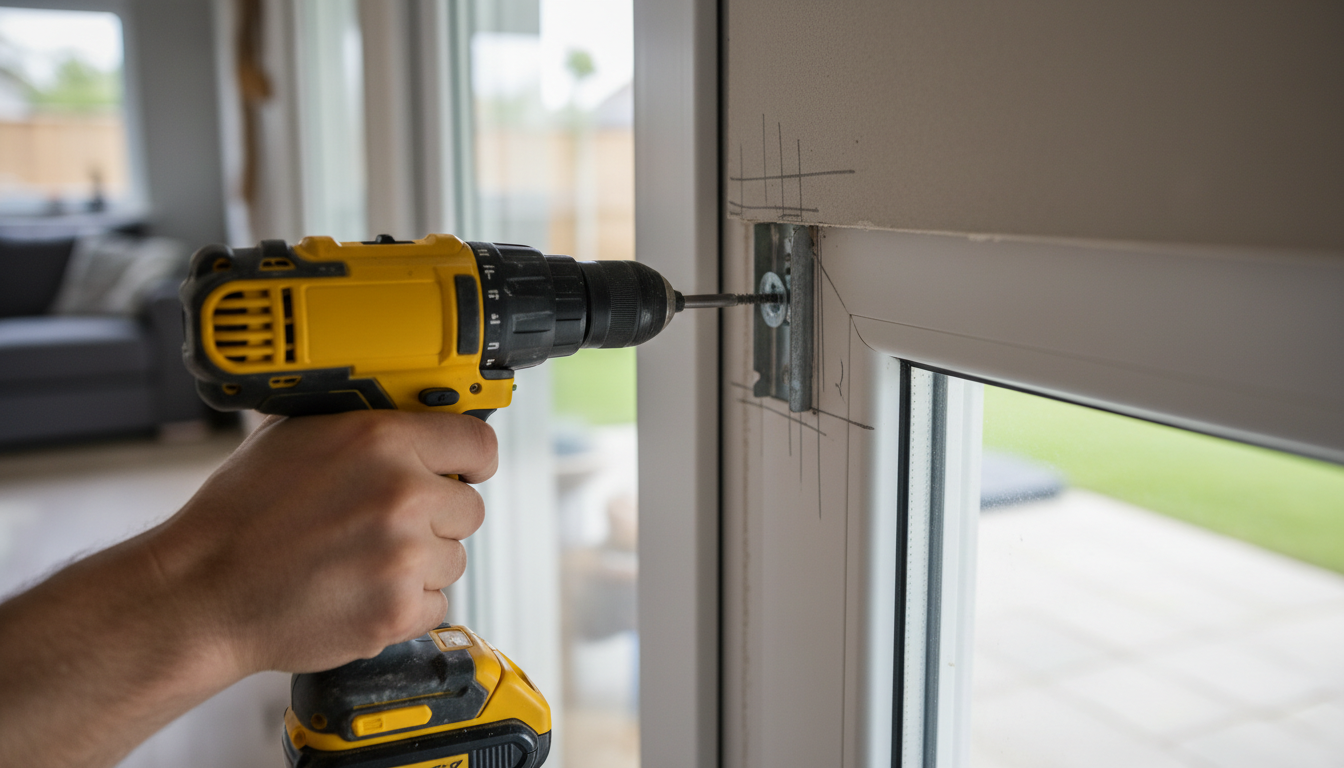
Traditional Vertical Blinds are among the most popular ways to cover a Sliding Glass Door. The good news is measuring for them is nearly identical to measuring for any other window treatment. Getting accurate measurements is the foundation of a successful installation, so take your time with this step.
You'll need to decide between an inside mount and an outside mount first. Mounting the vertical blinds inside of the door frame gives the sliding glass door a clean, sleek appearance. However, Installing your vertical blinds outside of the sliding glass door frame allows you to have more space for your blinds. The process for measuring for an outside mount is simple.
For an inside mount, measure the width at the top, middle, and bottom of the door frame. Use the narrowest measurement to ensure a proper fit. Then measure the height from the top of the frame to the bottom at the left, center, and right sides. Use the longest measurement for height.
For an outside mount, measure the following areas before ordering blinds: The length of the sliding glass door, from the floor to a few inches above the molding or the top of the paneling. The width of the door outside the molding in a straight line from left to right. If you don't have molding or a sliding glass door frame, add two to six inches to the measurement for the width for additional sunlight protection and privacy.
Always use a steel measuring tape for the most accurate results, and double-check your measurements before ordering. Write down whether each measurement is width or height to avoid confusion later.
Tools You'll Need for Installation
All you'll need is your trusty steel measuring tape, a pencil, a drill, and a screwdriver. We've found that 99% of our customers install their own window coverings, so we are confident that you can too.
Here's your complete tool list:
- Steel measuring tape
- Pencil for marking
- Power drill with appropriate drill bits
- Screwdriver (both Phillips and flathead)
- Level to ensure straight installation
- Step ladder (for taller doors)
- Safety glasses and gloves
Most blind kits come with all the necessary hardware like brackets, screws, and mounting clips. Check your package contents before you start to make sure everything's included. If you're mounting to drywall rather than a door frame, you might also need wall anchors for extra support.
Step-by-Step: How to Install Blinds on Sliding Glass Doors
Now we get to the actual installation. The installation process from start to finish should take about two hours to complete. We'll walk you through both inside and outside mount installations.
Installing Outside Mount Blinds
Outside mount is often easier for beginners and works great when you want maximum coverage. A few inches above your door frame, make markings for each of the holes on the brackets supplied with your sliding glass door blinds. Then on each of the markings, make small pilot holes so that you can then screw your brackets flush to the wall.
Here's the detailed process:
-
Mark your bracket locations: Hold the headrail up to determine where you want it positioned. Using a pencil, mark the measurement of the height of the blinds. Have a helper place the headrail on the pencil mark while you confirm the headrail is level on the wall. Measure a few inches in from each end of the headrail, marking the spot with a pencil directly above the headrail.
-
Drill pilot holes: Use your drill to create small pilot holes at each marked spot. This prevents the screws from splitting the material and makes installation easier.
-
Attach the brackets: Attach the brackets to the wall with the included screws. If the brackets are being attached to drywall instead of a door frame, drill a hole and install wall anchors first.
-
Install the headrail: Hook in the headrail until it snaps into place. Attach the vanes by pulling the cord to space the stems evenly and snapping the vanes into place.
-
Add finishing touches: Mount the valance by pushing the bracket clips into either side of the front, then attach the side pieces. Snap in the provided clips along the headrail and slide the valance into the clips.
Installing Inside Mount Blinds
Inside mount gives you that built-in, streamlined look. The process is similar but requires more precision since you're working within the door frame.
-
Check your fit: Before drilling anything, hold the blinds up inside the frame to verify your measurements were correct.
-
Mark bracket positions: Position the brackets inside the top of the door frame according to the manufacturer's instructions. Most will be a few inches in from each end.
-
Secure the brackets: Drill pilot holes and attach the brackets with the provided screws. Make sure they're level and secure.
-
Snap in the headrail: Click the headrail into the mounted brackets.
-
Attach the vanes or panels: Depending on your blind type, either snap vertical vanes into their carriers or hang panels on the track system.
-
Test the operation: Open and close your blinds several times to ensure smooth operation. Adjust if needed.
Tips for a Professional-Looking Installation
Want your DIY installation to look like a pro did it? Here are some insider tips that make all the difference.
Use a level religiously. Even if your brackets look straight to your eye, use a level to confirm. Crooked blinds are immediately noticeable and can affect how smoothly they operate.
Don't skip the pilot holes. It might be tempting to just drive the screws straight in, but pilot holes prevent splitting and cracking, especially in wood frames. They also make the screws go in straighter.
Get a helper for large installations. Holding up a heavy headrail while trying to mark, level, and screw can be nearly impossible solo. A second set of hands makes the job much easier and ensures better results.
Check the vane length. You do not want the vertical blinds dragging on the floor. They will look terrible and you won't be able to adjust them open and closed without creating a very unappealing effect. Most blinds should hang about 1/2 inch above the floor for smooth operation.
Test before finishing. Before you attach the valance or any decorative elements, test the blinds to make sure they operate smoothly. It's much easier to make adjustments before everything is fully installed.
Follow manufacturer instructions. While these general steps apply to most installations, always check the specific instructions that came with your blinds. Different brands and styles can have unique requirements.
Common Mistakes to Avoid
Even experienced DIYers can run into problems. Here are the most common mistakes we see—and how to avoid them.
Incorrect measurements are the number one issue. Measure twice, order once. And remember to clearly label which measurement is width and which is height.
Choosing the wrong mount type can cause problems. If you don't have enough depth in your door frame, an inside mount won't work. Check clearances before ordering.
Not accounting for door hardware is another common error. Make sure your blinds won't interfere with door handles, locks, or the sliding mechanism.
Using inadequate anchors in drywall can lead to sagging or falling blinds over time. Heavy blinds need sturdy wall anchors if you're not screwing into studs or a door frame.
Installing without help for large doors often results in uneven brackets or dropped headrails. Don't try to be a hero—get someone to help.
Motorized Options for Sliding Glass Doors
Large window treatments for sliding glass doors can be heavy and awkward to operate manually. Motorization solves that. If you're interested in making your life easier, motorized blinds are worth considering.
Battery-powered motors eliminate electrical work. Our rechargeable systems last months between charges. A simple wand control or remote raises and lowers your shades with minimal effort. No more struggling with heavy cords or wands.
Smart home integration takes it even further. Program your shades to open with sunrise and close at sunset. Control them from your phone when you're away. Connect to Alexa, Google Home, or other systems you already use. Many products now include Bluetooth compatibility for app control.
There's also a safety benefit. Motorized blinds for sliding doors are safer for homes with children and pets. No dangling cords means no entanglement hazards.
How to Maintain Your Sliding Door Blinds
Once your blinds are installed, keeping them looking great is pretty straightforward. Different materials need different care, but most sliding door blinds are low-maintenance.
Vinyl vertical blinds are the easiest to clean. Just wipe them down with a damp cloth when they get dusty. For stubborn dirt, use a mild soap solution. They're moisture-resistant, so they're perfect if your door opens to a pool or humid outdoor area.
Fabric blinds need gentler care. Vacuum them regularly with a brush attachment to prevent dust buildup. Most can be spot-cleaned with a damp cloth, but check the manufacturer's instructions before using any cleaning products.
Cellular shades can be dusted with a feather duster or vacuumed on the lowest setting. Be gentle with the honeycomb structure to avoid crushing the cells.
Track systems need occasional attention too. Vacuum out dust and debris from the tracks to keep panels sliding smoothly. A quick wipe with a damp cloth keeps everything running well.
Regular maintenance not only keeps your blinds looking good but also extends their lifespan and ensures smooth operation for years to come.
Frequently Asked Questions
Can you install regular blinds on sliding glass doors? You can technically install horizontal blinds on sliding doors, but it's not recommended. They get in the way when you try to open the door and can be damaged by the door's movement. Stick with vertical solutions like vertical blinds, panel tracks, or vertical cellular shades that work with the door's function rather than against it.
What's the easiest type of blind to install on a sliding door? Vertical vinyl blinds are generally the easiest for DIY installation. They're lightweight, come with straightforward instructions, and don't require special tools beyond the basics. Panel track systems are also pretty simple if you follow the manufacturer's guide carefully.
Do I need professional installation for sliding door blinds? Most homeowners can successfully install sliding door blinds themselves with basic tools and a helper. However, if you're dealing with very large or heavy blinds, have an unusually sized door, or aren't comfortable with DIY projects, professional installation ensures perfect results and saves time.
How much do blinds for sliding glass doors cost? Prices vary widely based on size, material, and features. Basic vinyl vertical blinds might start around $100-200 for a standard door, while premium options like motorized cellular shades or custom plantation shutters can run $500-1000 or more. Custom sizing and special features will increase the price.
Can motorized blinds be installed on any sliding glass door? Yes, motorized systems work with most sliding glass doors regardless of size. Battery-powered options don't require electrical work, making them easy to install anywhere. They're especially helpful for very wide or tall doors where manual operation would be difficult.
Share