

Are Motorized Roller Shades Worth It? Honest Review 2026
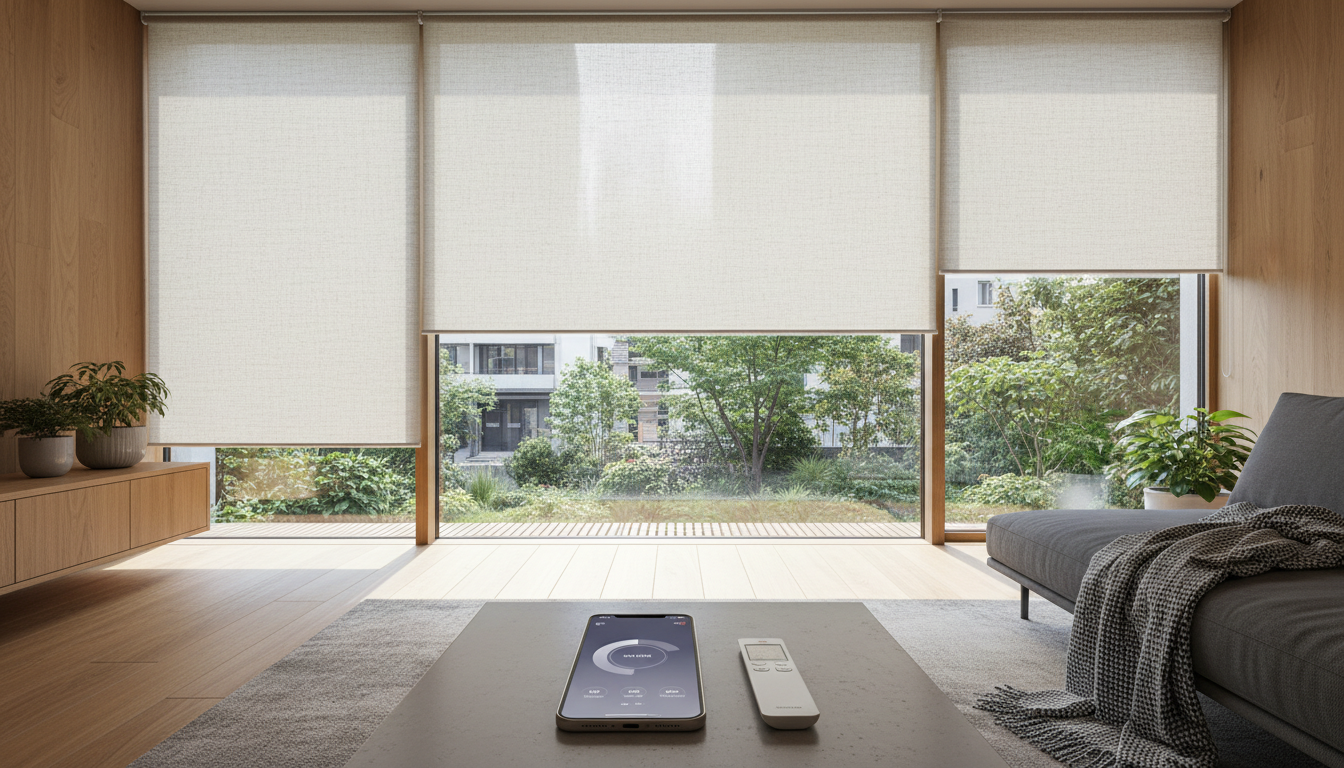
Motorized shades are popular because it's smart. But many doubt if they are worth it at all. Maybe you've seen them in a friend's house, spotted them on Instagram, or you're just tired of wrestling with cords every morning. Whatever brought you here, we're going to give you an honest, no-BS look at whether these high-tech window coverings deserve a spot in your home.
Motorized roller shades have gone from being a luxury item reserved for mansion owners to something regular homeowners seriously consider. But with prices that can make your wallet wince, it's smart to do your homework before taking the plunge. We've dug into real user experiences, checked out what actual homeowners are saying on forums, and looked at the long-term value to give you the straight scoop. By the end of this article, you'll know exactly whether motorized shades make sense for your home and budget.
What Are Motorized Roller Shades?
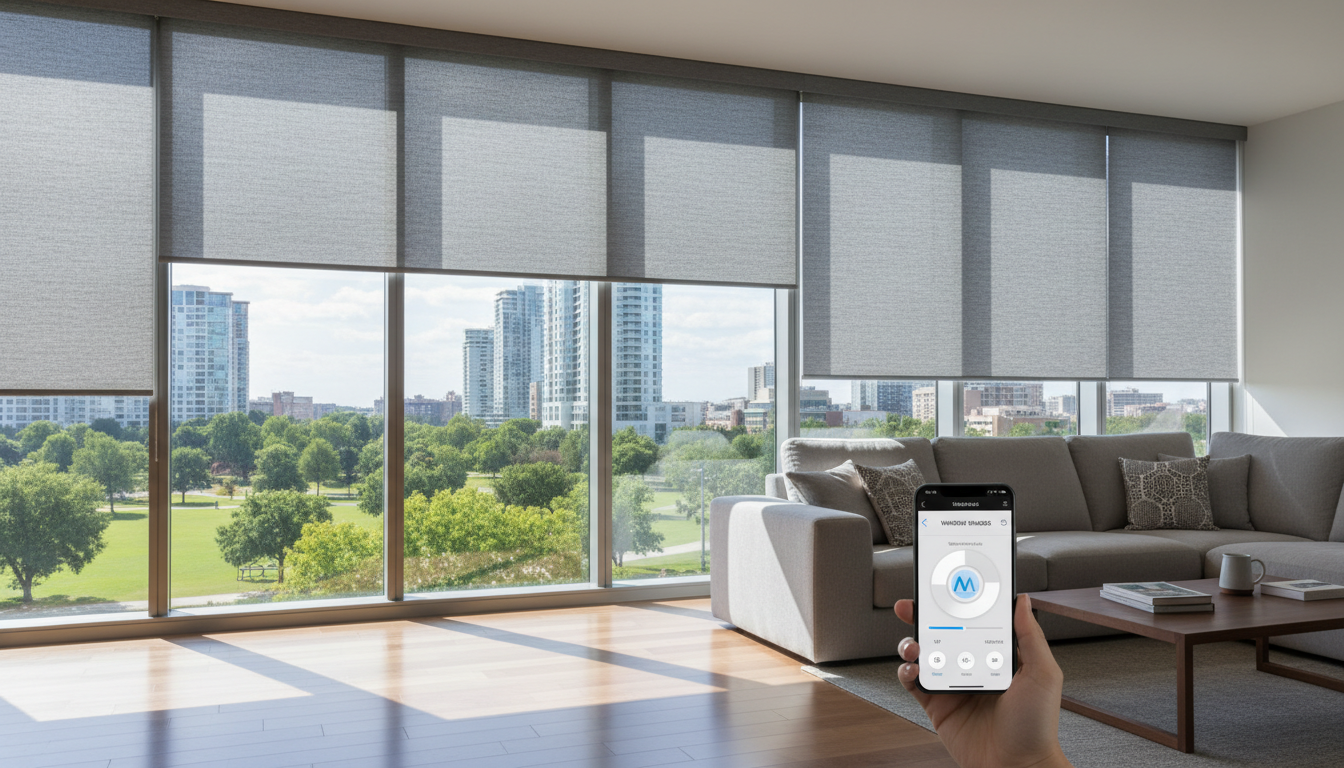
Motorized roller shades are window coverings that can be operated using an electric motor or automated system, unlike traditional blinds and shades that are manually adjusted by pulling cords or lifting mechanisms. Think of them as your regular roller shades with a serious tech upgrade.
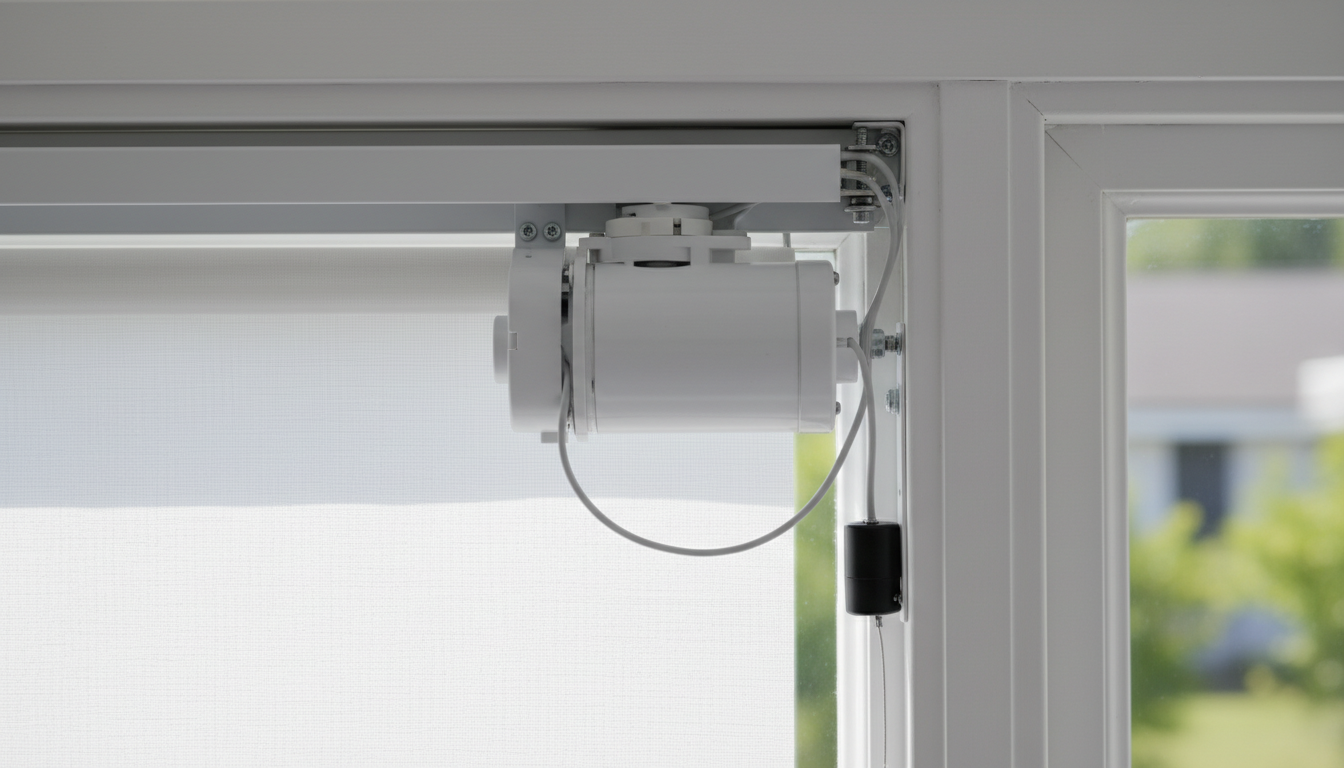
The motor sits discreetly inside the roller tube at the top of your window, so you won't see any bulky equipment hanging around. These blinds simply mean they're operated by an electric motor, powered by disposable or rechargeable batteries, or have fixed wiring. Most people choose battery-powered options because they're easier to install and don't require an electrician.
The remote allows you to open, close, or adjust the blinds or shades to your desired position from anywhere in the room. But that's just the beginning. You can also control them with your smartphone, set them on schedules to open and close automatically, or even use voice commands through Alexa or Google Home. Some advanced systems can sync with smart sensors to adjust based on sunlight or temperature — pretty slick if you ask us.
Are Motorized Blinds Worth It?
As experienced consultants who have helped hundreds of homeowners, the answer is a resounding yes — the upfront cost pays you back over and over in convenience, real energy savings, and a touch of modern magic. But like any home improvement, whether they're worth it really depends on your specific situation.
It can definitely be a worthwhile investment in the comfort and efficiency of any home, especially worth it for tall windows, windows that are high up or otherwise difficult to reach. If you've got windows behind furniture, cathedral ceilings, or skylights, motorized shades can be an absolute game-changer. No more standing on furniture or using awkward extension poles.
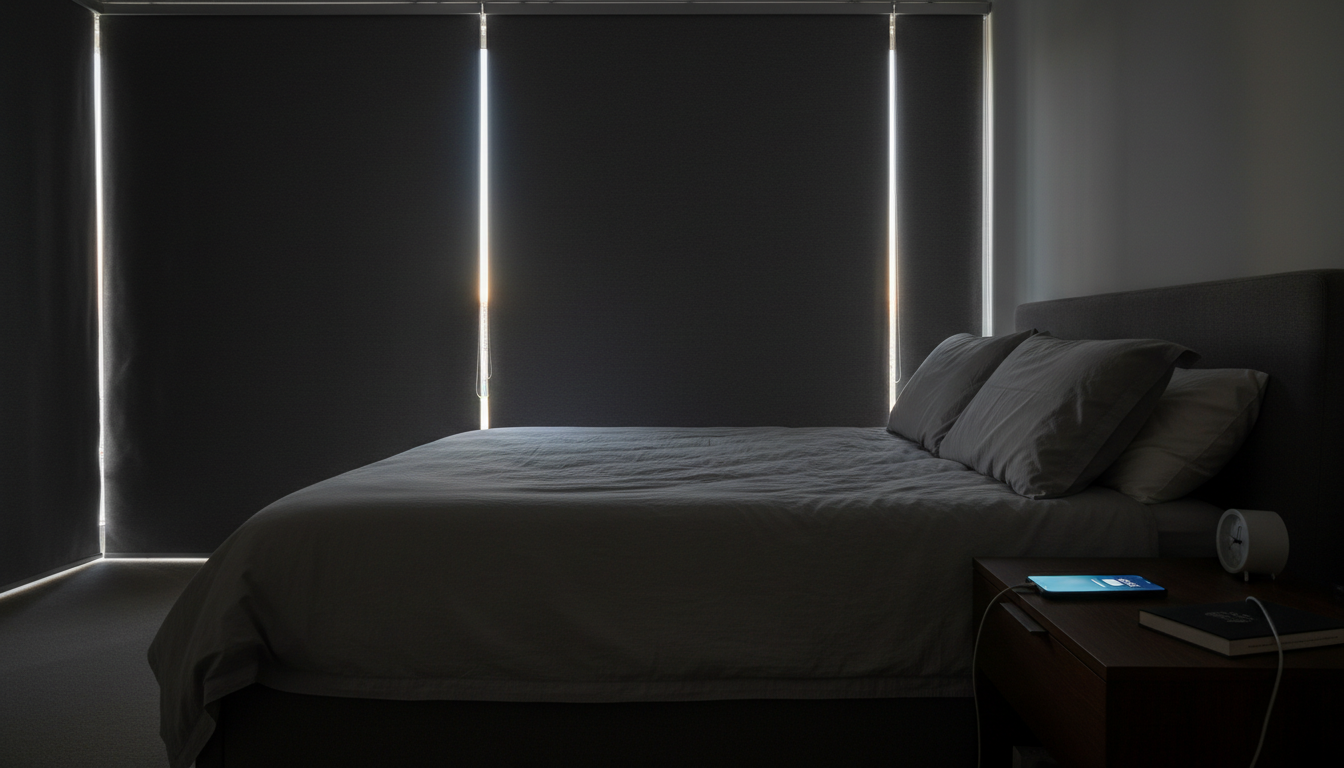
For folks with mobility issues or anyone who values convenience (honestly, who doesn't?), these shades remove the physical effort from your daily routine. Think about your day starting not with a jarring alarm, but with the soft, natural glow of sunlight as your bedroom blinds automatically rise on a schedule you've set — this is where automation stops being a gadget and becomes a genuine lifestyle upgrade.
That said, we've got to keep it real. Some homeowners don't feel they get the value out of them, noting the reality is they just don't open/close the blinds enough on a day to day basis to warrant the money they spent. If you rarely adjust your window treatments or you're on a super tight budget, you might be better off with quality manual shades.
The Real Benefits (Beyond the Cool Factor)
Sure, controlling your shades from your phone is neat, but the benefits go way deeper than showing off to guests. Let's break down what you actually get.
Convenience That Actually Matters
Before you head out for the day, a single tap on your phone can lower every blind in the house, giving you instant privacy and peace of mind — these practical, daily uses really answer the question with a firm yes. Imagine leaving for vacation and being able to set your shades to open and close on a schedule, making it look like someone's home. That's peace of mind you can't put a price on.
Energy Savings You'll Notice
Connecting your motorized shades to a smart home hub or sun sensor can help minimize the amount of energy your HVAC system uses by allowing shades to act automatically, closing during the hottest part of the day and opening during a sunny day in winter to allow the sun to heat up the house naturally. We're talking about actual money back in your pocket every month, not just theoretical savings.
Safety First
One of the most important benefits is the safety that comes with a cordless design, as traditional blinds with long, dangling cords are a serious strangulation risk for small children and curious pets. If you have kids or pets, this alone might be worth the investment. No cords means no worries.
Home Value Boost
Investing in motorized blinds can increase the value of your home, making it more attractive to potential buyers, as motorized window treatments have become a desirable feature for many homebuyers, especially those who are tech-savvy and value convenience. When you eventually sell, these upgrades can set your home apart in a competitive market. If you're curious about how different window treatments increase home value, you'll find motorized options rank high on the list.
The Downsides (We're Keeping It Real)
Look, we're not going to sugarcoat it. Motorized shades aren't perfect, and they're definitely not for everyone.
The Price Tag
The initial investment typically ranges from $300 to $1,000 per window, depending on size, style, and features, with basic battery-operated systems representing the lower end while sophisticated hardwired solutions with smart home integration command premium prices. Yeah, that's real money. Motorized shades often cost 3 to 5 times more than manual options, so you've got to be committed to the upgrade.
Technology Can Fail
Motorized shades for windows rely on technology, which can be unreliable — if the operation mechanism fails, you'll have no option to raise or lower them. Batteries die at the worst times, motors can malfunction, and sometimes the app just won't connect. Most quality brands have manual override options, but it's something to consider.
Maintenance and Batteries
Battery operated shades will need to be charged periodically depending on usage, and most standard window treatments have an average lifespan of 3-10 years with how often you use your blinds or shades having an impact on their longevity. You're looking at battery changes every few months to a year, depending on use. It's not a huge deal, but it's one more thing to remember.
How Much Do Motorized Roller Shades Cost?
Let's talk numbers because this is probably what you really want to know.
Some high-quality products are available for as low as $183, though typically you can expect to pay somewhere between $200 and $1,000 for a single motorized shade. Here's what influences the price:
Window Size: Bigger windows need bigger, more powerful motors, which means higher costs. A small bathroom window will be way cheaper than a massive living room picture window.
Material and Fabric: Custom fabrics like designer, dual-layer, thermal, or blackout materials add to both material and labor costs, often pushing prices into the mid-to-upper range. Basic light-filtering fabric will save you money compared to fancy designer options.
Power Source: Battery-powered motorized blinds are generally the most economical upfront starting around $80 per window for components alone, while hardwired electric roller blinds require professional installation and electrical work which increases costs. Solar-powered options sit somewhere in the middle but give you the eco-friendly edge.
Smart Features: Want app control? Voice integration? Scheduling and automation? For intelligent integration adding a hub or app/voice controls for remote control roller shades or intelligent automation, budget an additional $50–$150 per unit.
Installation: DIY installation can save you money if you're handy, but professional installation is highly recommended for electrically wired systems or custom setups, with costs anywhere from $300 to $1,000 per window depending on labor complexity, window size, and brand.
What Real Users Are Saying
We looked at forums, reviews, and real homeowner experiences to get the unfiltered truth.
One user put in 8 Lutron Serena blinds just over 6 years ago with not one issue in that time, part of their home system working flawlessly every single day — expensive yes, regret not one second. That's the dream scenario: buy quality, install once, enjoy forever.
But not everyone has that experience. Some users with 4 motorized roller shades for 4 years say they work well with absolutely no issues, but of all automation things they've bought and installed, shades are the ones they are least happy with, with the only regret being the amount of money spent, as they are many multiples more than the cost of non-motorized equivalents.
The common thread? People who actively use automation features (scheduling based on weather, integrating with thermostats, etc.) tend to love them. People who just wanted to avoid pulling a cord tend to feel they overpaid.
Are They Reliable?
Motorized window treatments are just as reliable as standard window treatments, assuming you buy from a reputable brand. Quality matters here — a lot. High-quality models offer 5-10 years of reliable performance, with battery-powered options typically needing battery replacements every 1-2 years depending on usage.
Brands like Lutron Serena, Hunter Douglas, and yes, quality options from aosky.com have proven track records. Users report motorized blinds working daily without issue for 5+ years, changing batteries only a couple times, and praising how quiet they are.
Cheaper, no-name brands from random online sellers? That's where you run into problems. Motors that fail within months, apps that never quite work right, and customer service that's basically non-existent.
Installation: DIY or Professional?
Motorized blind installation is typically straightforward and not difficult to install, though installation specifics may vary by brand and type, with blinds installed on larger or hard-to-reach windows requiring extra effort and a second set of hands.
For basic battery-powered shades, most handy homeowners can handle installation themselves. You're basically mounting brackets and snapping the shade into place — similar to regular blinds but with an extra step for the motor.
Hardwired systems are a different story. Unless you're comfortable working with electrical wiring (and local codes allow it), you'll want a professional. The good news? Many companies offer professional measuring and installation services with availability in your area.
Smart Home Integration
Smart device compatibility will vary between brands, with many motorized blinds and shades compatible with an app you can download to your phone or tablet to program and operate the blinds, while some are compatible with smart hubs.
Most modern motorized shades play nice with:
- Amazon Alexa: "Alexa, close the bedroom shades"
- Google Home: "Hey Google, open the living room blinds to 50%"
- Apple HomeKit/Siri: "Siri, lower all the shades"
- Samsung SmartThings: Full integration with Samsung's smart home ecosystem
The key is checking compatibility before you buy. Not all shades work with all systems, and some require an additional hub to connect to your WiFi.
Noise Levels: Will They Wake You Up?
The decibel range for motorized blinds will vary depending on the brand, product type and potentially the size of the window treatment, however motorized blinds are designed with volume in mind so they are very quiet, producing only a soft humming or whirring sound.
Quality motors are whisper-quiet — you'll hear them, but it's more of a gentle hum than an annoying buzz. Cheap motors sound like a lawn mower at 6 AM (okay, slight exaggeration, but they're noticeably louder). If quiet operation matters to you, especially for bedroom shades, stick with reputable brands.
FAQs About Motorized Roller Shades
Do motorized shades work during power outages?
Yes, if they're battery-powered! You may manually raise and lower your motorized blinds to keep air from blowing in during winter or entering during summer when electricity goes out, allowing you to continue with your regular routines even though electrical power is disrupted. Hardwired shades will need a manual override or backup battery system.
How long do the batteries last in motorized shades?
A single charge typically lasts 6 months to a year but exact lifespan will vary depending on how big your shade is and how often it is used. Heavy daily use will drain batteries faster than occasional adjustments. Solar-powered options basically eliminate this concern if your windows get good sun.
Can I retrofit my existing blinds with motors?
The answer is yes — motorization can be added to many existing window treatments including blinds, shades, and drapery. Retrofitting involves installing a motor and control system onto your existing shades, which allows you to control them with a remote or smart device. This can be more affordable than buying all new motorized shades.
Are motorized shades safe for kids and pets?
Absolutely. There are no cords or strings attached to motorized blinds, totally eliminating the risk of strangulation for kids and pets — they are 100% child safe. This is honestly one of the biggest safety upgrades you can make for your windows.
What happens when motorized shades break?
Most quality brands offer warranties ranging from 3-10 years. Many blinds and shades come with a 3 year warranty. After that, repairs can cost $150-$350 depending on the issue. Motors, batteries, and control systems are typically replaceable parts, so you don't necessarily need to replace the entire shade.
The Bottom Line: Should You Buy Them?
So, are motorized roller shades worth it? Here's our honest take:
You should absolutely get them if:
- You have hard-to-reach windows (tall, behind furniture, skylights)
- You value convenience and use automation regularly
- You have kids or pets (cordless safety is huge)
- You're building a smart home ecosystem
- You're willing to invest for long-term energy savings
- You struggle with mobility issues
You should probably skip them if:
- You rarely adjust your window treatments
- You're on a tight budget and manual shades work fine
- You don't care about smart home features
- You rent and can't make permanent modifications
- You need window treatments for a dozen+ windows (the cost adds up fast)
The truth is, motorized roller shades are a luxury that can absolutely be worth it — but only if you'll actually use the features. They're not just "fancy blinds" anymore; they're legitimate home automation that can save energy, boost convenience, and make your daily life a little easier. But they're also a significant investment that doesn't make sense for everyone.
If you're on the fence, maybe start with one or two rooms where you'd benefit most — like hard-to-reach windows or your bedroom. Test them out and see if the convenience is worth expanding to other areas. And whatever you do, buy quality from reputable brands. The $50 savings on a no-name brand isn't worth the headache when it stops working after three months.
Share