
Waterproof
Bathrooms, kitchens, and other humid spaces can leave a window shade dealing with condensation and occasional splashes. A waterproof fabric can simplify care, but light control, privacy, operation, and room placement still shape the right fit.
10 products
Sort by:
10 products


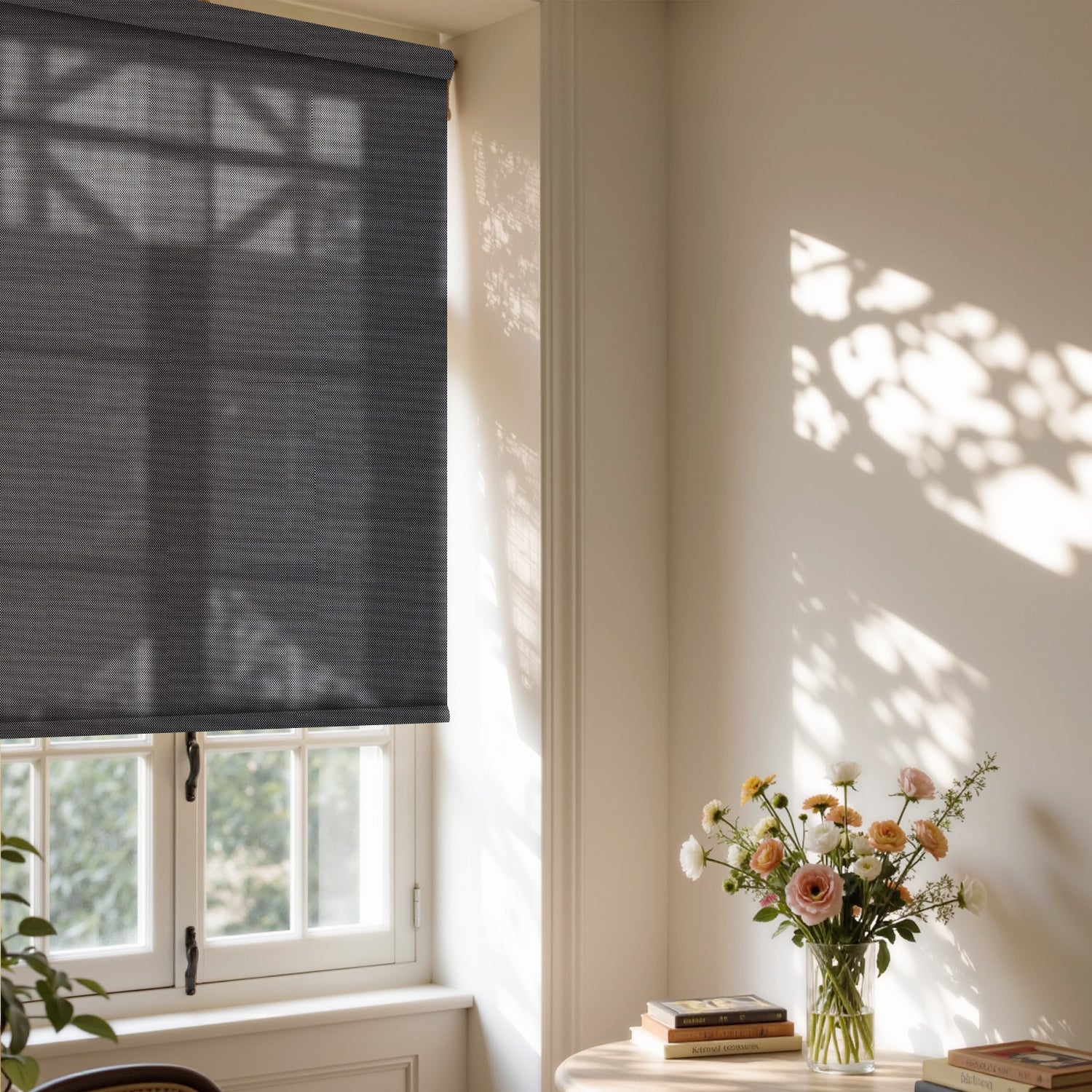


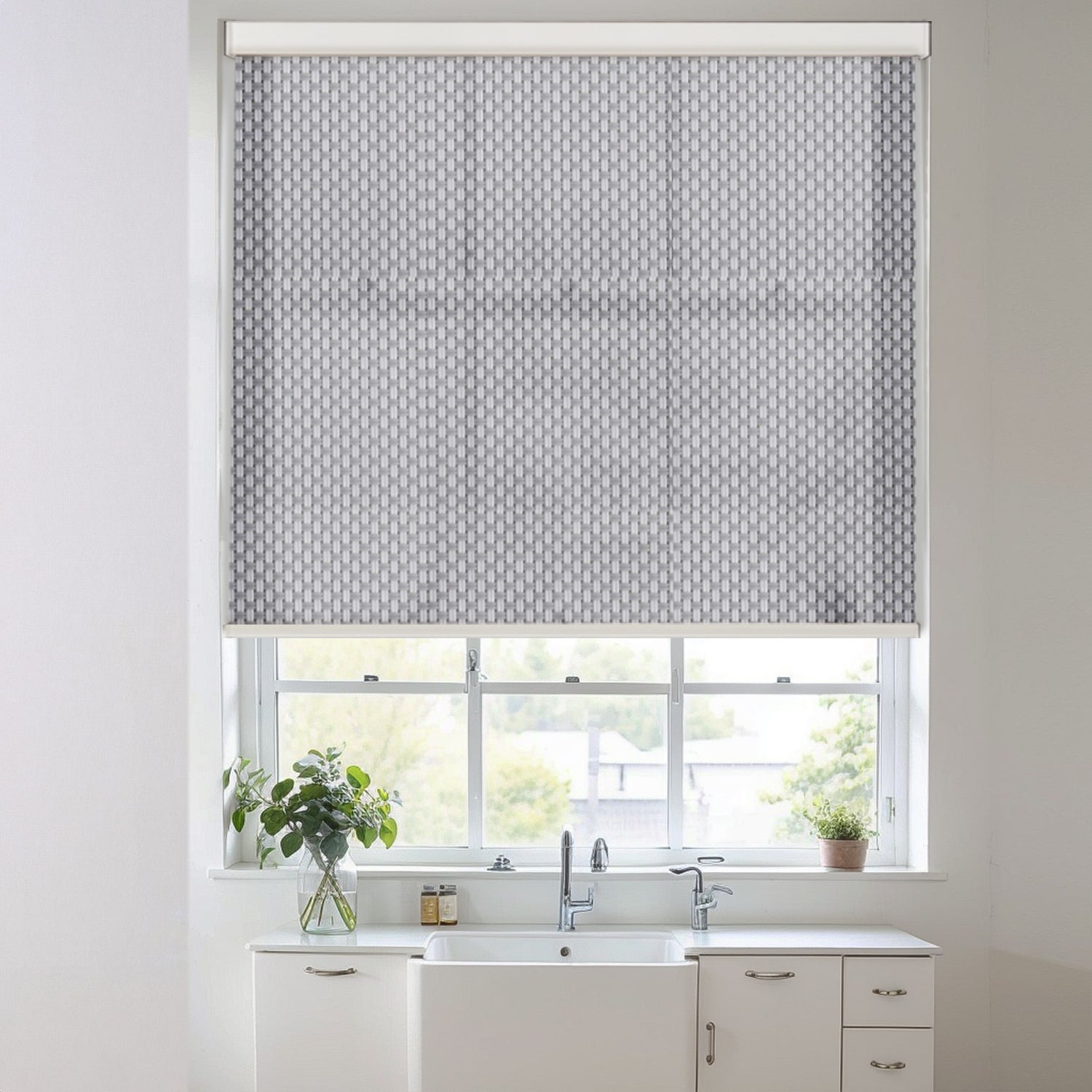

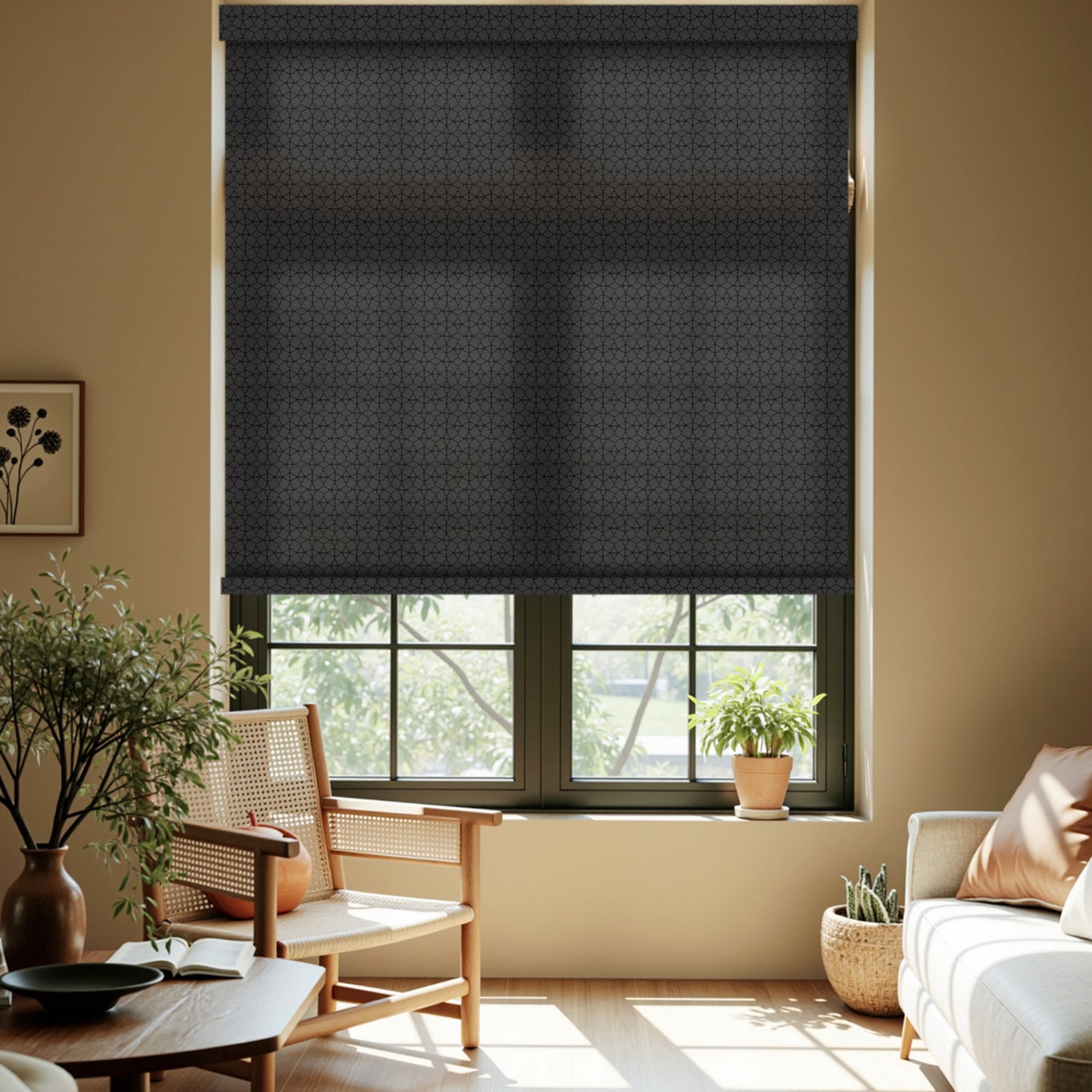

Waterproof Window Shades for Moisture-Prone Rooms
The Sandy screen-view roller shade has an explicitly waterproof, wipeable surface. The assortment also includes solar-screen roller shades and single- or double-cell polyester honeycomb shades in light-filtering and blackout fabrics, each with its own material and care details.
Materials, Light, and Daily Use
Waterproof, Where Specified The Sandy fabric may be dusted or spot cleaned with a damp cloth, and its care guidance says to avoid harsh chemicals. Product-level wording matters more than treating waterproof blinds as an interchangeable category.
Daylight and Privacy Screen-view fabric softens glare and retains an outward view during the day, but it is not blackout. Privacy can change with indoor lights on. Cellular listings provide light-filtering and blackout choices for more coverage.
Controls for the Space The solar-screen roller shade lists cordless operation, while cellular styles include bottom-up and top-down/bottom-up configurations. Window location, frequency of use, and privacy needs help determine the better fit.
Let the Room Set the Priorities
See the Fabrics in Your Own Light
The Sandy screen-view roller shade is the relevant option when an explicitly waterproof surface leads the decision. Solar-screen and cellular styles balance view-through, light filtering, blackout coverage, and control in different ways.
Fabric samples make color, weave, view-through, and after-dark privacy easier to judge in the room itself. Material, controls, mounting requirements, care guidance, and actual exposure should align in the final configuration.
More Shades for the Bathroom Bathroom windows vary in moisture exposure, privacy needs, and daylight. For a broader room-based comparison, explore bathroom shades across additional styles and light-control options.
Questions About Waterproof Window Shades
No. The Sandy screen-view roller shade has an explicitly waterproof surface; cellular listings describe polyester honeycomb fabrics without calling them waterproof. One fabric claim does not apply to every shade in the collection.
Waterproof is the stronger material term, while water-resistant generally means limited moisture exposure. The individual product page defines the scope of that wording and the intended care.
Frame depth, tile returns, trim, and window handles can all reduce the usable space. The product's depth and clearance details should be read alongside AOSKY's how to measure guide.
Blackout cellular fabric offers the strongest coverage among the listed opacity choices. Screen-view and light-filtering materials may reveal more when room lights are on, so an after-dark sample check is useful.
The Sandy surface may be dusted or spot cleaned with a damp cloth, without harsh chemicals. Dry dusting works for regular upkeep between spot cleanings.