

Bedroom
22 products
Sort by:
22 products


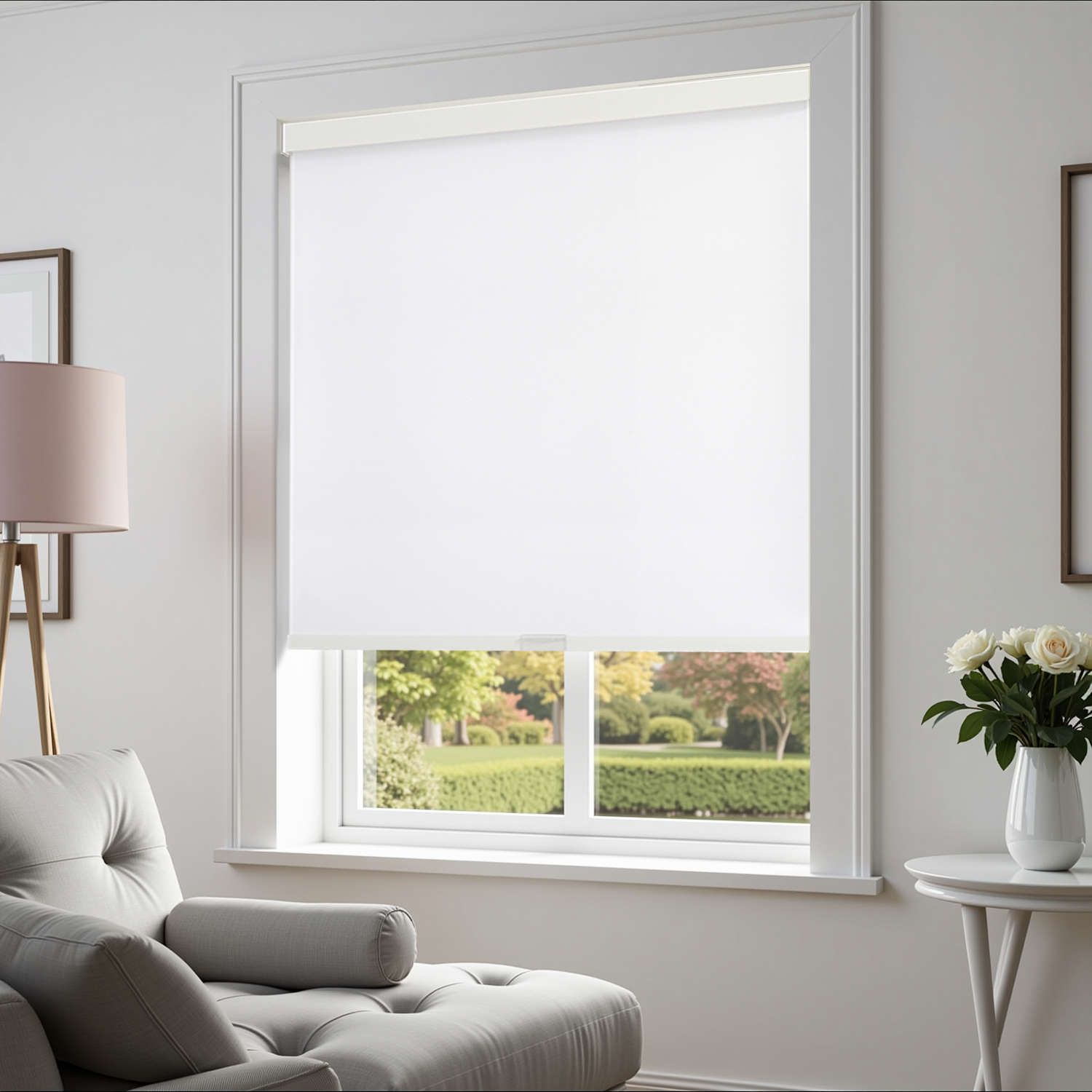

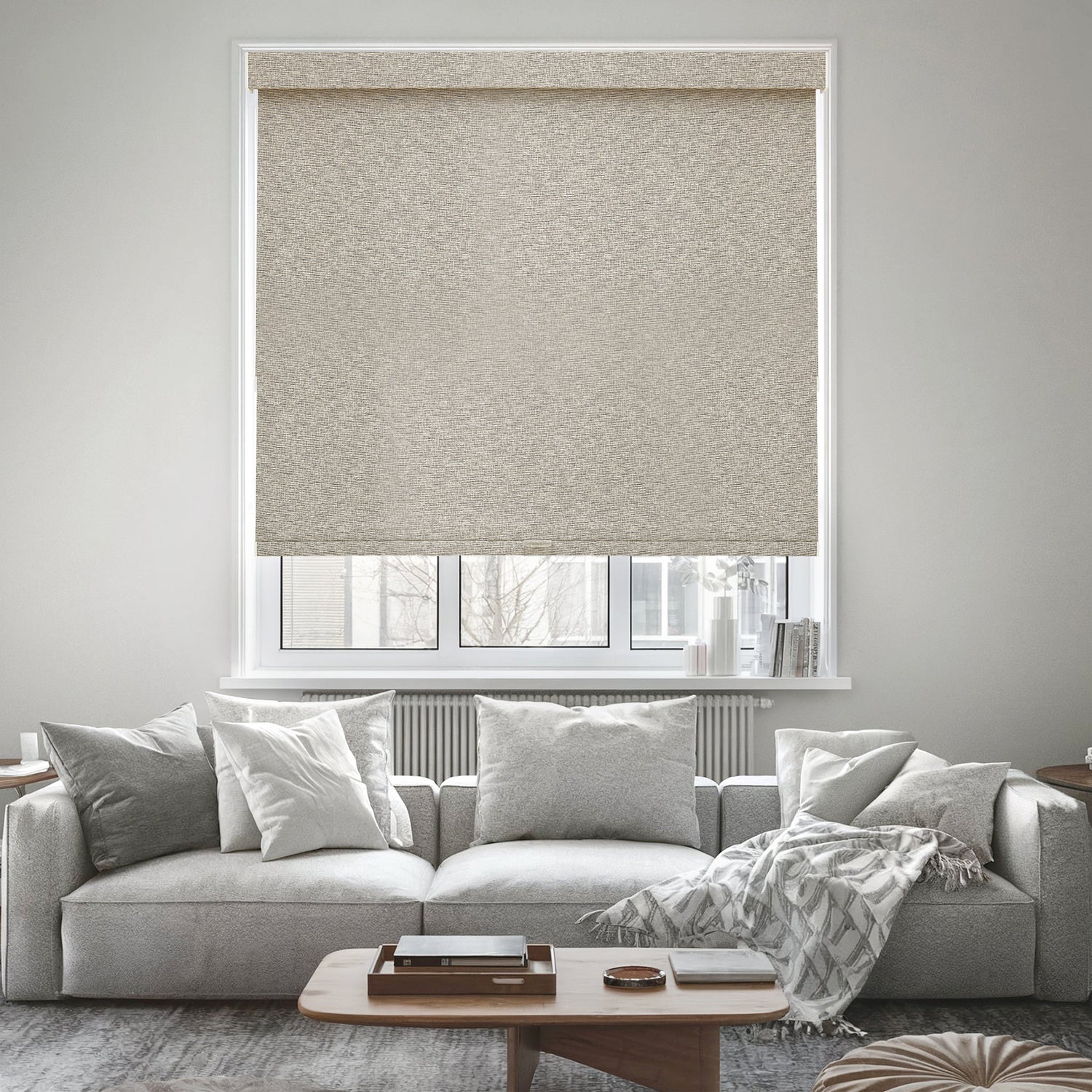


Bedroom Window Shades for a Calm, Practical Room
Bedroom window shades can soften early light, add coverage after dark, and keep the room comfortable for reading, dressing, or working. Clean roller profiles and adjustable zebra designs manage the window without making the space feel busy.
Light-filtering shades suit rooms where softened daylight matters most. More opaque options reduce more incoming light; for the greatest available light reduction, explore the dedicated blackout collection. Fabric, window dimensions, and mounting all affect the result, and some light may remain around the edges.
Comfort From Morning Through Evening
Light Control That Suits the Routine Fabric opacity determines how much daylight enters. More open fabric keeps the room brighter; darker or more opaque fabric reduces more light. The bedroom label alone does not mean blackout.
Privacy After Sunset A fully lowered shade adds coverage at windows facing a street or nearby homes. Overlapping zebra bands increases coverage, but nighttime privacy varies with fabric openness, color, and interior lighting. An after-dark sample check is useful.
A Window That Feels Settled Roller shades create a simple fabric plane, while zebra shades add a horizontal pattern. Neutral colors and woven-look textures can sit quietly with bedding, walls, trim, and wood.
Match the Shade to the Window
Fabric, Color, and Fit at Home
Fabric color, texture, and transparency can shift under natural and artificial light. Free fabric samples show how the material looks at the bedroom window during the day and after dark.
Accurate sizing depends on the window and mount. AOSKY's how to measure guide covers inside and outside mounts; measurements in several places can reveal small variations. Size deductions should follow the product instructions.
When Greater Light Reduction Matters For bedrooms where the greatest available light reduction is the priority, the dedicated blackout range is the more focused next stop. Fabric opacity, mounting, and edge gaps still matter.
Bedroom Shade Questions
The right style depends on light, privacy, appearance, and mounting needs. Roller shades use a continuous panel; zebra shades offer adjustable positioning through alternating bands.
No. Bedroom shades vary in construction and opacity, so the collection name does not define light blockage. The product description should identify its fabric and light-control details.
Nighttime privacy varies with fabric openness, color, and indoor lighting. Viewing a sample after dark gives a more realistic sense of coverage.
An inside mount creates a recessed look when depth allows. An outside mount covers more of the opening and may reduce visible edge gaps. Measurements and product requirements determine which options fit.
Window coverings cannot promise a sleep outcome. Blackout shades are most relevant when stronger light reduction is the goal, but fabric, mounting, and edge gaps all affect room darkness.