
Home
/
AOSKY Blogs
/
How to Measure Cellular Shade Cell Size: Simple Guide for Perfect Window Treatments

How to Measure Cellular Shade Cell Size: Simple Guide for Perfect Window Treatments
Picking the right cellular shade can feel like solving a puzzle, especially when you're staring at measurements like 3/8", 1/2", or 3/4" and wondering what they actually mean. Cell size refers to the width of each honeycomb pocket in your shade—those distinctive hexagonal compartments that make these window treatments so good at saving energy. We'll walk you through what these numbers mean, how they affect your windows, and how to pick the perfect size for each room in your home.
Think of cell size like pleat spacing on your curtains. Small cells measure 3/8", mid-size cells are 1/2" and 9/16", and large cells are 3/4". The measurement tells you how wide each individual cell is when you look at the shade from the side. These pockets trap air to keep your home comfortable year-round, but different sizes work better for different window types. Before you order cellular shades, you'll want to know which size matches your specific needs.
What Cell Size Actually Means
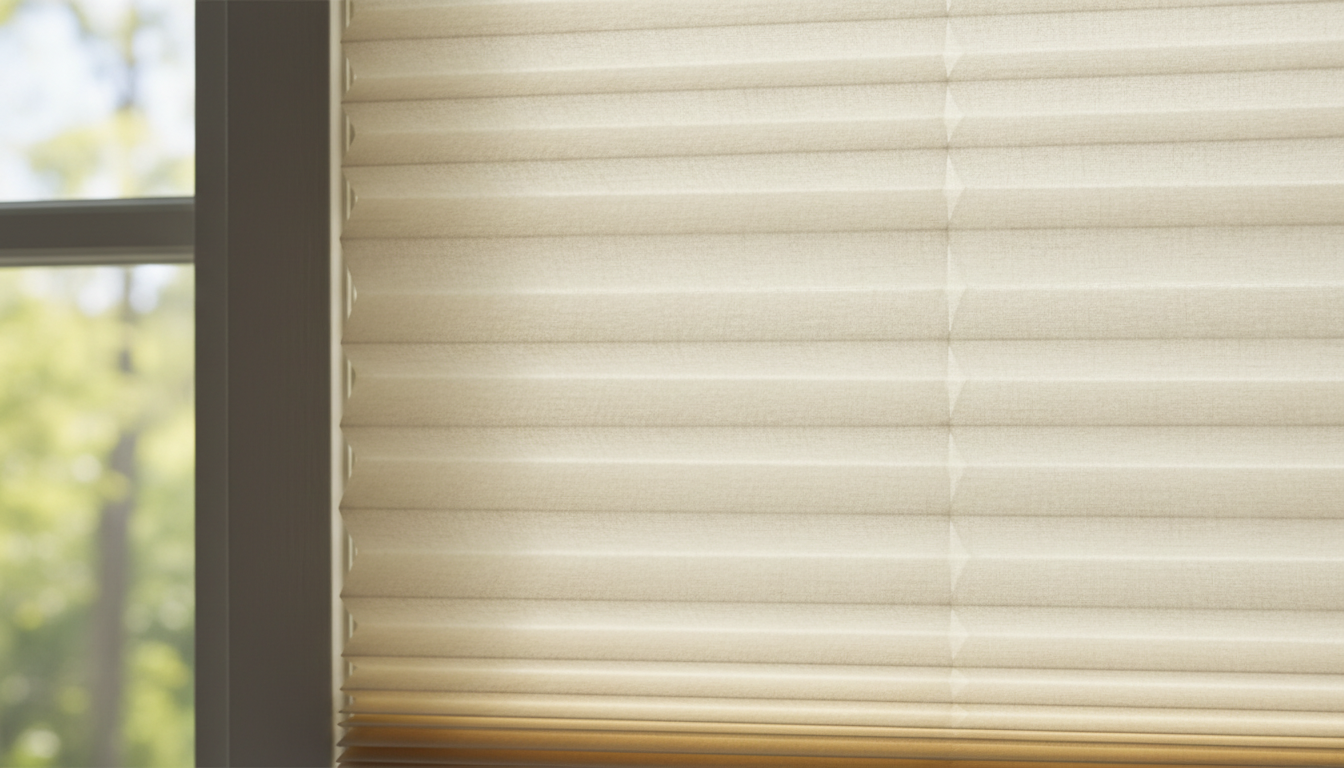
The fractional measurements represent the size of the cell created by the two pieces of fabric. If you look at a cellular shade from the side, you'll see the honeycomb pattern—each pocket is one cell. The bigger the number, the wider each pocket.
But here's what matters for your windows: cell size affects three things. First, how the shade looks on your window. Second, how much air it can trap for insulation. Third, how heavy the shade will be when you raise and lower it. A 3/4-inch shade provides more insulation than a 3/8-inch shade due to more air space, but larger shades usually cost more.
Small Cell Shades (3/8"): When Less Is More
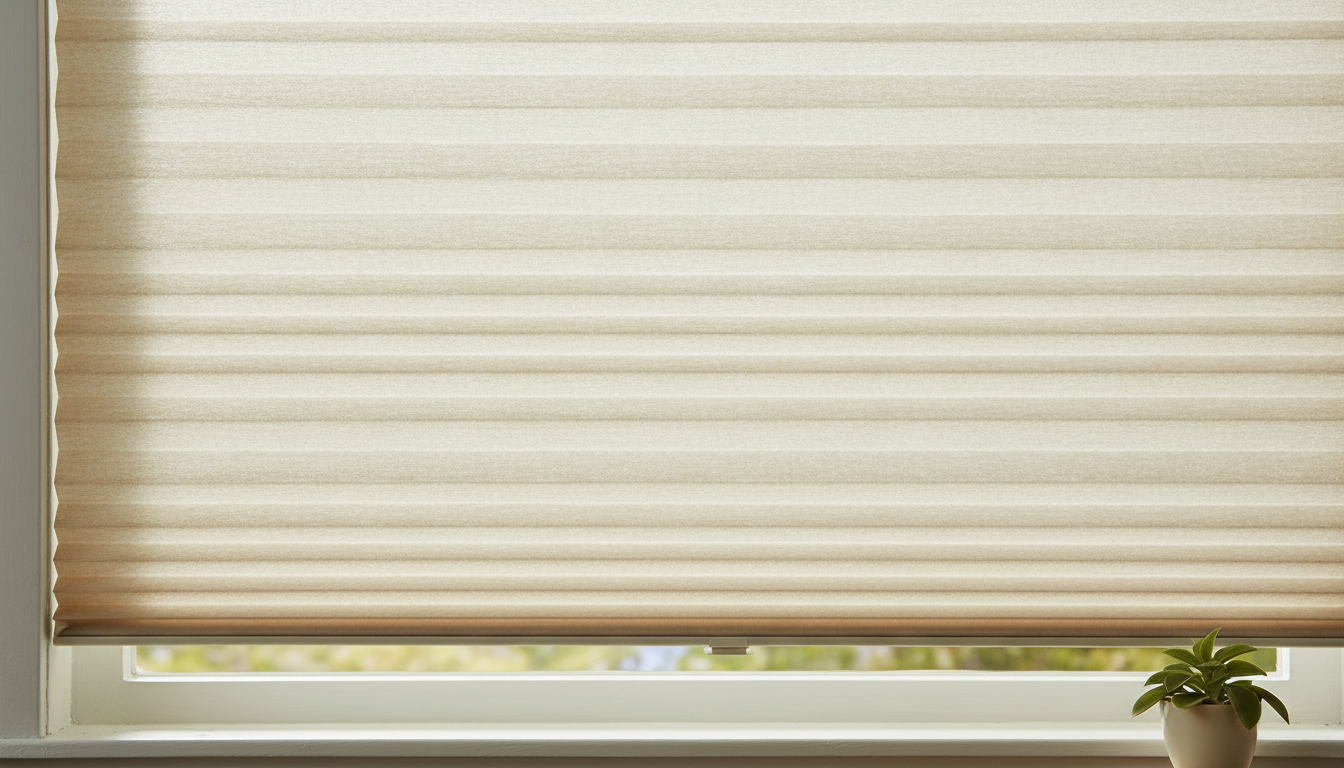
Small cell shades are most often recommended for smaller windows, with narrower fabric cells that fit in shallower window openings that may not accommodate larger cell sizes. We've found they look sharp on bathroom windows, small bedroom windows, and narrow kitchen windows.
Small cells create more pleats across your window. On a 30-inch window, you'll see more individual folds than you would with larger cells. Using small cell shades for big windows can make it look chaotic because of the excessive number of cells and pleats. If you have a narrow window sill, small cells fit more naturally without overwhelming the space.
These work great for roller shades alternatives in compact spaces where you want energy efficiency without bulk.
Medium Cell Shades (1/2" and 9/16"): The Most Popular Pick
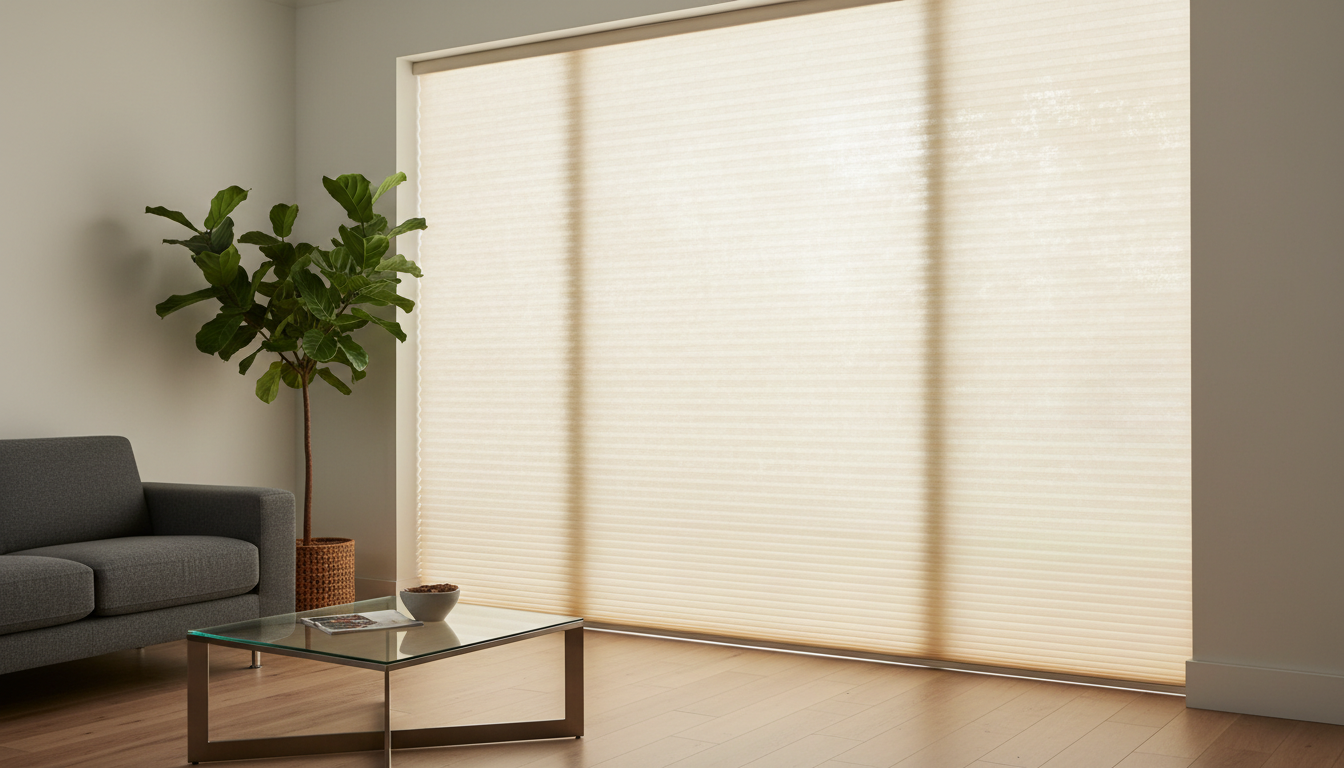
Mid-size cellular shades are the most popular category of single-cell honeycomb shades on the market. There's a reason for that—they look good on pretty much any window size. The 1/2" and 9/16" measurements are separated by only a fraction of an inch, so don't stress too much about choosing between them.
Medium cells give you balanced proportions. They won't look too busy on large windows or too chunky on medium windows. Medium cell sizes are best for medium-sized windows, and though best recommended for medium windows, these sizes provide a balanced appeal and functionality for windows of any size.
We recommend medium cells for living rooms, bedrooms, dining rooms, and home offices. They pair well with other window treatments too, similar to how roman shades complement different room styles.
Large Cell Shades (3/4"): Built for Big Windows
For large windows, a 3/4" single shade is best, as this size is ideal to cover the entire area without requiring any additional support. Picture windows, sliding glass doors, and oversized bedroom windows all benefit from larger cells.
Here's the physics behind it: Larger cell fabric is lighter per square foot than other sizes, so a shade spanning a large opening can support itself with no threat of sagging. You won't need extra reinforcements or worry about the shade bowing in the middle.
This cell size is also great aesthetically because of its large pleats, bringing refinement and sophistication to any large window. The wider spacing creates a cleaner, more modern look that doesn't compete with your view.
Single Cell vs. Double Cell: What's the Difference?
Before picking a cell size, you'll also choose between single and double cell construction. Single cell shades feature a single layer of cells, while double cell shades comprise two rows of cells, with one row closer to the window and the other closer to the room.
Double cell honeycomb shades offer more insulation, saving you even more money on energy costs, but they're much heavier than their one-cell counterpart. Choosing double cell shades for a large window can make it difficult and too heavy to operate, so leave double cell shades for small to midsized windows.
Double cells work best with small to medium cell sizes on smaller windows. For large windows, stick with single cell construction in a 3/4" size to keep operation smooth and easy. This principle applies whether you're comparing cellular options to zebra shades or other treatments.
Matching Cell Size to Your Window Depth
If you have a narrow window sill, go with small cell shades so they fit naturally. Window depth matters because cellular shades need clearance to operate properly. Check your window's mounting surface depth before ordering.
If you have deeper window sills, choose large cell shades to make use of all that space. Deeper windows can handle the extra fabric stack when the shade is raised, and larger cells won't crowd the sill area.
Measure from the glass to the edge of your window frame. If you have less than 2 inches of depth, stick with smaller cell sizes. More than 3 inches? You can go bigger.
How Cell Size Affects Energy Savings
These tiny cells trap air within and help regulate temperatures, making them an extremely energy efficient option. But cell size does impact how much air gets trapped. Larger cells create bigger air pockets, which means more insulation per cell.
That said, ordering the wrong cell size can lessen its energy-saving efficiency, look wrong in the window, and even cause damage to the shade itself. A shade that's too heavy might strain the lifting mechanism. A size that's too small on a large window won't provide adequate coverage.
Double cell construction beats single cell for energy efficiency, regardless of cell size. But if you're sticking with single cell, larger cells do provide better insulation than smaller ones—just make sure they're proportional to your window size.
Quick Tips for Choosing Your Cell Size
For bathroom windows: Go with 3/8" cells. They handle humidity well and fit compact spaces.
For bedroom windows: Medium cells (1/2" or 9/16") work best for standard-sized windows. They balance privacy and light control.
For living room picture windows: Large 3/4" cells give you clean lines and easy operation on wide spans.
For home office windows: Medium cells offer versatility if you have different window sizes in the same room.
Remember that cell size is separate from mounting style and fabric choice. You'll still need to decide between inside mount or outside mount installation, and whether you want light filtering or blackout fabric. Cell size just determines the width of those honeycomb pockets. If you're exploring different styles, check out woven wood shades for texture or shangri-la sheer shades for soft lighting.
Conclusion
Measuring and choosing cellular shade cell size doesn't have to be complicated. Small 3/8" cells work for compact windows and tight spaces. Medium 1/2" and 9/16" cells fit most standard windows and are the most popular choice. Large 3/4" cells handle big picture windows without sagging or looking cluttered. Match your cell size to your window dimensions, consider whether single or double cell construction fits your needs, and check your window depth before ordering. The right cell size will give you years of smooth operation, better energy efficiency, and a proportional look that complements your space. Browse quality options at aosky.com to find the perfect cellular shades for every room in your home.
Frequently Asked Questions
What does cell size mean for cellular shades?
Cell size refers to the width of each honeycomb pocket in your shade, measured in fractions of an inch. Common sizes are 3/8", 1/2", 9/16", and 3/4". This measurement affects how the shade looks, how much it weighs, and how much air it can trap for insulation. Larger cells provide more air space but fewer pleats, while smaller cells create more folds across your window.
Can I use small cell shades on large windows?
You can, but we don't recommend it. Small 3/8" cells create many pleats across a wide span, which can look busy or chaotic on large windows. Large windows work better with 3/4" cells that provide fewer, wider pleats for a cleaner appearance. Small cells are designed for compact windows where their narrower width fits better proportionally.
Do double cell shades come in all cell sizes?
Double cell shades typically come in smaller cell sizes, usually 1/2" or less. The double layer construction makes these shades heavier, so manufacturers keep cell sizes compact to maintain easy operation. For large windows, single cell shades in 3/4" size work better because they're lighter and won't strain the lifting mechanism or cause bowing.
How do I measure my window for the right cell size?
Cell size isn't about measuring your window dimensions—it's about choosing the right proportion for your window's size. Measure your window's width, height, and depth first. For windows under 36" wide, consider 3/8" cells. For windows 36"-60" wide, go with 1/2" or 9/16" cells. For windows over 60" wide, pick 3/4" cells. Also check window depth to confirm the shade will fit.
Which cell size saves the most energy?
Larger cells provide more air space and better insulation per cell, so 3/4" cells technically offer more insulating power than 3/8" cells. But double cell construction beats single cell for energy efficiency regardless of size. The best energy-saving option is double cell shades in the largest size your window can accommodate without becoming too heavy to operate easily.
Share