

A Comprehensive Guide on How to Choose Roller Shades
Roller shades are a pretty straightforward window treatment. Basically, it's a single piece of fabric that rolls up onto a tube at the top of your window. Think of it like a window blind, but without all the slats. They're known for their clean look, which is why a lot of people go for them in modern homes. You can get them in all sorts of fabrics and colors, so they can actually fit into almost any room's style. They're also pretty good at blocking light, especially if you pick the right material.
The Simplicity of Roller Shade Operation
One of the best things about roller shades is how easy they are to use. You usually have a cord or a chain on the side that you pull to raise or lower the shade. Some even have a spring-loaded mechanism where you just give them a gentle tug to make them go up. This makes them super convenient, especially if you have kids or pets running around. No complicated cords or mechanisms to worry about. They just roll up neatly and stay out of the way when you don't need them.
Key Benefits of Roller Shades
So, why choose roller shades? Well, there are a few good reasons.
- Clean Aesthetics: They offer a minimalist look that doesn't clutter your window space. This is great if you want your view or your decor to be the main focus.
- Light Control: Depending on the fabric, they can block a lot of light, offering privacy and helping to keep rooms cooler in the summer.
- Ease of Use: As we just talked about, they're incredibly simple to operate.
- Versatility: They come in a huge range of fabrics, colors, and patterns, so you can find something that matches pretty much any style.
- Cost-Effective: Generally, they're one of the more budget-friendly window treatment options out there, which is always a plus.
Roller shades are a practical choice for many homes because they balance simplicity with functionality. They don't demand a lot of attention but do a solid job of managing light and privacy without fuss.
Exploring Roller Shade Styles and Materials
Fabric Choices for Light Control and Privacy
When you're picking out roller shades, the fabric is a big deal. It's not just about the color or pattern, though those are important for your room's look. The material itself plays a huge role in how much light gets in and how much privacy you get. Think about what you need most for each room. Do you want to block out the sun completely for sleeping, or just soften the light a bit? Some fabrics are woven tightly to keep things private, while others are more open to let light filter through.
- Light Filtering: These fabrics let in a good amount of natural light while still obscuring the view from outside. They're great for living rooms or kitchens where you want brightness without sacrificing all privacy.
- Room Darkening: These are a step up from light filtering. They block most light, creating a dimmer environment, but you might still see some light around the edges or through very thin materials.
- Blackout: If you need total darkness, like in a bedroom or media room, blackout fabrics are the way to go. They're designed to block virtually all light.
Exploring Opacity Levels: From Sheer to Blackout
Opacity is basically how much you can see through a fabric. It's a spectrum, and roller shades come in options all along it. Sheer fabrics are super light and airy, mostly for decoration and a tiny bit of glare reduction. They don't offer much privacy. Then you have light-filtering fabrics, which are probably the most common. They let in daylight but keep prying eyes out. Room-darkening fabrics are thicker and block more light, good for places where you want less glare but not total darkness. And finally, blackout fabrics are the heavy hitters, stopping almost all light. Choosing the right opacity is key to getting the mood and function you want in a room.
Here’s a quick rundown:
- Sheer: Minimal light blocking, no privacy. Mostly decorative.
- Light Filtering: Softens light, provides daytime privacy.
- Room Darkening: Blocks most light, reduces glare significantly.
- Blackout: Blocks nearly 100% of light, ideal for sleeping areas.
Material Durability and Maintenance Considerations
So, what are these shades actually made of, and how do you keep them looking good? Polyester is a really popular choice because it's tough. It doesn't wrinkle easily, it holds its color well, and it's pretty resistant to moisture, which is handy for kitchens or bathrooms. Vinyl is another option, often used for its durability and moisture resistance, making it a practical pick for high-humidity areas. Both can be cleaned pretty easily, usually with a damp cloth or a gentle vacuum attachment. You just have to be a bit careful with them, especially if you have kids or pets running around. The material choice really impacts how long your shades will last and how much effort you'll need to put into keeping them clean.
When you're picking out roller shades, think about the fabric's weave and composition. Tightly woven fabrics generally offer better light control and privacy. Also, consider how the fabric will hold up over time, especially in areas with direct sunlight or high moisture. Easy-to-clean materials are a lifesaver for busy households.
Selecting Roller Shades for Different Rooms
Picking the right window treatments for each room can feel like a puzzle. Roller shades, though, are pretty adaptable. They work well in a lot of places because they're straightforward and don't take up much visual space. Let's break down how they fit into different areas of your home.
Optimizing Bedrooms with Roller Shades
Bedrooms are all about rest and privacy, right? Roller shades can really help with that. For those who need total darkness to sleep – maybe you work nights or just hate morning light – blackout roller shades are a game-changer. They block out almost all the light, making your room a true sanctuary. If you don't need complete darkness but still want good light control and privacy, you can go with fabrics that filter light. This way, you get a softer glow during the day. The clean, simple look of roller shades also means they won't clash with your bedding or other decor. They're easy to operate, which is nice when you're just waking up or getting ready for bed.
Enhancing Living Areas with Roller Shades
Living rooms are often the heart of the home, and you want them to look good but also be functional. Roller shades can offer a modern, uncluttered look that works with many styles. You can choose fabrics that let in natural light without the harsh glare, making the room feel more inviting. Think about fabrics that diffuse light – they soften the sunlight and make it easier on the eyes. If your living room gets a lot of sun, this can also help protect your furniture from fading over time. They're also a good choice if you have large windows or sliding doors, as they provide a clean line when raised.
Functional Choices for Kitchens and Bathrooms
Kitchens and bathrooms have unique needs. Moisture and potential splashes are common, so durability is key. Many roller shades come in materials that are easy to wipe clean, which is super handy in these areas. For kitchens, you might want something that lets in light but also offers privacy when you need it. In bathrooms, privacy is usually the top priority. You can opt for fabrics that offer good coverage without making the room feel too dark. Some materials are even designed to resist moisture, making them a practical choice for steamy bathrooms or splash-prone kitchen sinks.
Here's a quick look at what works best:
- Bedrooms: Blackout or light-filtering fabrics for sleep and privacy.
- Living Rooms: Light-diffusing fabrics to manage glare and maintain a bright feel.
- Kitchens/Bathrooms: Moisture-resistant and easy-to-clean materials for durability and hygiene.
When choosing roller shades for any room, think about how you use the space. Do you need to block light completely, or is soft, diffused light better? How much privacy do you require? Considering these daily needs will help you pick the fabric and style that truly fits.
Roller shades are generally quite budget-friendly, especially when you're covering multiple windows. This makes them a smart pick if you're redoing several rooms at once. They're also pretty low-maintenance – usually, a quick dusting or wipe-down is all they need. This practicality is a big reason why they're so popular for different parts of the house.
Comparing Roller Shades to Other Window Treatments
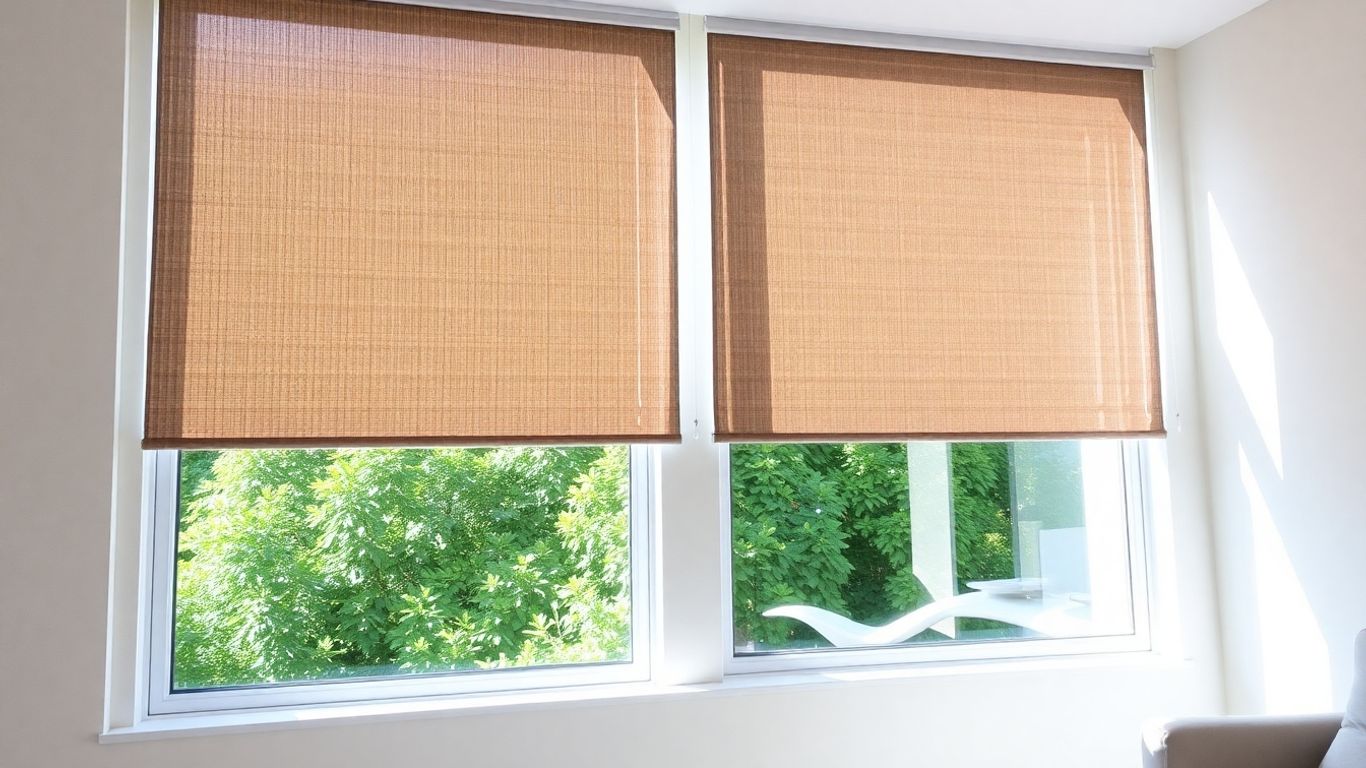
When you're picking out window coverings, it can feel like there are a million options. Roller shades and Roman shades often come up, and it's easy to get them mixed up. They both do the job of covering your windows, but they do it in pretty different ways. Let's break down how they stack up against each other.
Roller Shades Versus Roman Shades
Think of roller shades as the minimalist of the window treatment world. They're basically a single piece of fabric that rolls up onto a tube at the top of your window. Super simple, super clean. They look great in modern homes or if you just like a really uncluttered look. Roman shades, on the other hand, are all about fabric folds. When you pull them up, they stack into neat pleats, giving your window a softer, more layered appearance. This makes them a good fit for rooms with a more traditional or cozy vibe.
Here's a quick look at some key differences:
- Style: Roller shades are sleek and modern. Roman shades are classic and add texture.
- Operation: Roller shades roll up. Roman shades fold up.
- Look: Roller shades are flat and simple. Roman shades have a more decorative, folded look.
Aesthetic and Functional Differences
Beyond just the look, how they work and what they do can be quite different. Roller shades are really good at blocking light, especially if you get a blackout fabric. They fit pretty close to the window frame, which helps keep drafts out. Roman shades can also block light, but sometimes you get little gaps where the light peeks through at the sides because of the folds. They can diffuse light nicely, though, making a room feel softer. When it comes to cleaning, roller shades are usually a breeze – just a quick wipe down. Roman shades, with all their fabric folds, can be a bit trickier and might need more careful cleaning.
Energy Efficiency Comparisons
Both types of shades can help with energy efficiency, but they do it in slightly different ways. Roller shades, especially the ones with a honeycomb or cellular structure, are really good at trapping air and keeping your room cooler in the summer and warmer in the winter. Because they often fit so snugly against the window, they can also help reduce air leaks. Roman shades, particularly those with a lining, also provide a good layer of insulation. The fabric itself and the way it folds can trap a bit of air, which adds to their insulating properties. It's not a huge difference, but it's something to consider if saving on energy bills is a big priority for you.
When choosing between roller and Roman shades, think about the overall feel you want for your room. Do you prefer clean lines and a modern look, or do you like the softer, more textured appearance of folded fabric? Your answer will point you toward the right choice for your space.
Advanced Features for Roller Shades
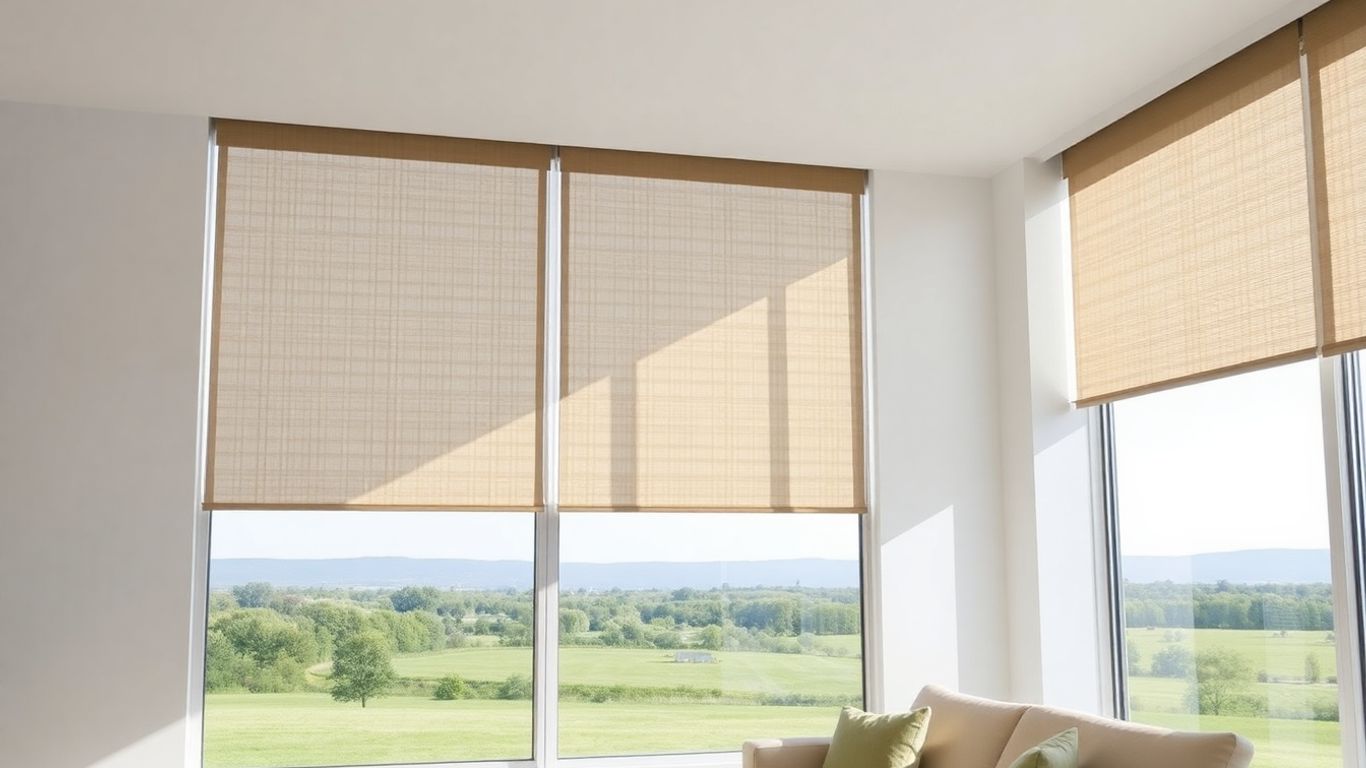
Roller shades aren't just simple fabric on a tube anymore. They've really come a long way, and there are some pretty neat features available now that can make your life easier and your home more comfortable. Think about things like motors and smart home stuff – it's all becoming more common.
Motorized and Smart Home Integration
This is probably the biggest leap forward. You can get roller shades that are motorized, meaning you don't have to pull a cord or crank a handle. They can be controlled with a remote, a wall switch, or even an app on your phone. This is super handy if you have a lot of windows, windows that are hard to reach, or if you just like the convenience of controlling things without getting up. Many of these motorized shades can also connect to your smart home system, like Alexa or Google Home. Imagine telling your shades to open in the morning or close when the sun gets too bright. It's pretty cool.
Customization Options Beyond Fabric
While fabric choice is a big deal, there's more to customizing roller shades. You can often choose different hardware finishes to match your decor, like brushed nickel or oil-rubbed bronze for the pull chains or headrail. Some shades also come with decorative bottom hems or even integrated valances that can hide the roller mechanism for a cleaner look. It’s these little details that can really tie a room together.
Energy-Saving Designs and Technologies
Roller shades can actually help with your energy bills. Some fabrics are designed with special coatings or cellular structures that help insulate your windows. This means they can keep your home cooler in the summer by blocking heat from the sun and warmer in the winter by preventing heat from escaping. It’s a simple way to make your home more efficient without a major renovation. For example, blackout fabrics, while great for blocking light, also offer a significant thermal barrier. Light-colored fabrics can reflect solar heat, reducing cooling needs, while darker colors might absorb heat, which could be beneficial in winter if the heat is then radiated into the room. It really depends on your climate and the fabric's properties.
Making the Final Decision on Roller Shades
So, you've explored the options, weighed the pros and cons, and now it's time to actually pick the roller shades for your home. It can feel like a big step, but really, it's about bringing together what you've learned with your own personal style and needs. Think about how the shades will fit into your existing decor. Are you going for a clean, modern look, or something a bit softer? The right roller shade can tie a whole room together.
Aligning Choices with Interior Design
When you're matching shades to your room's style, consider the overall vibe. For a minimalist space, a simple, solid-colored roller shade in a neutral tone works wonders. If your room has more pattern or texture, a shade with a subtle weave or a muted color might be best. Don't forget about the hardware, too – the roller tube and any pull chains can be chosen to complement your existing fixtures. It’s the little details that make a difference.
Balancing Budget and Long-Term Value
Let's talk money. Roller shades come in a pretty wide price range. You can find very budget-friendly options, which are great if you need to cover a lot of windows or if you're just starting out. But sometimes, spending a bit more upfront on a higher-quality fabric or a more robust mechanism can save you money down the line. Think about how long you want them to last and how much wear and tear they'll get. For example, a blackout fabric for a bedroom might cost a little more, but the improved sleep quality is often worth it. It’s about finding that sweet spot between what you can afford now and what will serve you well for years to come. You can check out different roller shade types to get a better idea of the price points.
Ensuring Proper Fit and Installation
This is super important. Even the most beautiful shade won't look or work right if it's not measured and installed correctly. Most roller shades are either inside-mounted (fitting within the window frame) or outside-mounted (hanging over the frame). Each has its own look and function. Always double-check your measurements – it's better to measure twice and cut once, as they say. If you're not comfortable doing it yourself, most places that sell shades offer installation services, or you can hire a local handyman. Getting the fit just right makes a huge difference in how the shades look and how well they block light or provide privacy.
Here's a quick rundown of things to keep in mind:
- Measure carefully: Inside mount or outside mount, get those dimensions exact.
- Consider the fabric: Think about light control, privacy, and how it looks.
- Check the hardware: Does the pull chain or cordless mechanism match your style?
- Installation matters: DIY or professional, make sure it's done right.
Making the final choice involves looking at the whole picture. It's not just about the shade itself, but how it fits into your home's design, your budget, and how it's put up. A well-chosen and properly installed roller shade can really make your windows look great and function perfectly.
Wrapping It Up
So, we've gone over a lot about picking out roller shades. It might seem like a lot of details, but really, it just comes down to what you like and what your room needs. Think about how much light you want, what look you're going for, and how much you want to spend. Roller shades are pretty straightforward and can look really clean and modern. They're a solid choice for a lot of different rooms. Don't overthink it too much – pick what feels right for your space and enjoy your newly dressed windows!
Frequently Asked Questions
What's the main difference between roller shades and Roman shades?
Roller shades are like a simple sheet that rolls up neatly. They give a clean, modern look. Roman shades, on the other hand, fold up like an accordion, creating soft pleats. They often look a bit fancier and more traditional.
Which type of shade is better for blocking out light?
For blocking out the most light, especially for sleeping, roller shades are usually better. You can get them in 'blackout' versions that stop almost all light from coming in. Roman shades can block light too, but sometimes a little bit can peek through the folds.
Are roller shades good for energy saving?
Yes, they can be! Some roller shades are made with special materials, like cellular or honeycomb designs, that trap air. This helps keep your room warmer in the winter and cooler in the summer, which can save you money on heating and cooling bills.
Can I get roller shades that I can control with a remote or my phone?
Absolutely! Many roller shades can be motorized. This means you can open or close them using a remote control, an app on your phone, or even by telling your smart home system (like Alexa or Google Home) to do it. It's super convenient!
Which shade is easier to clean?
Roller shades are generally easier to clean. Most of them are made of materials you can wipe down or vacuum. Roman shades, because they are fabric and have folds, can sometimes be a bit trickier to clean and might need professional help once in a while.
What kind of roller shades are best for a bathroom or kitchen?
For bathrooms and kitchens, it's best to choose roller shades made from materials that can handle moisture and are easy to wipe clean, like vinyl or certain synthetic fabrics. This helps prevent damage from steam or splashes.
Share