
Home
/
Cares & Tips for Shades, Blinds
/
Roman Shade Pattern Guide: Choosing the Perfect Design for Your Windows

Roman Shade Pattern Guide: Choosing the Perfect Design for Your Windows
Shopping for window treatments can feel overwhelming, but roman shade patterns offer a simple way to add personality to any room. Whether you're looking for bold geometric prints, soft florals, or subtle stripes, patterned roman shades bring both function and style to your windows. We've helped countless homeowners find the perfect pattern match for their spaces, and we're here to walk you through everything you need to know.
What Makes Pattern Roman Shades Different
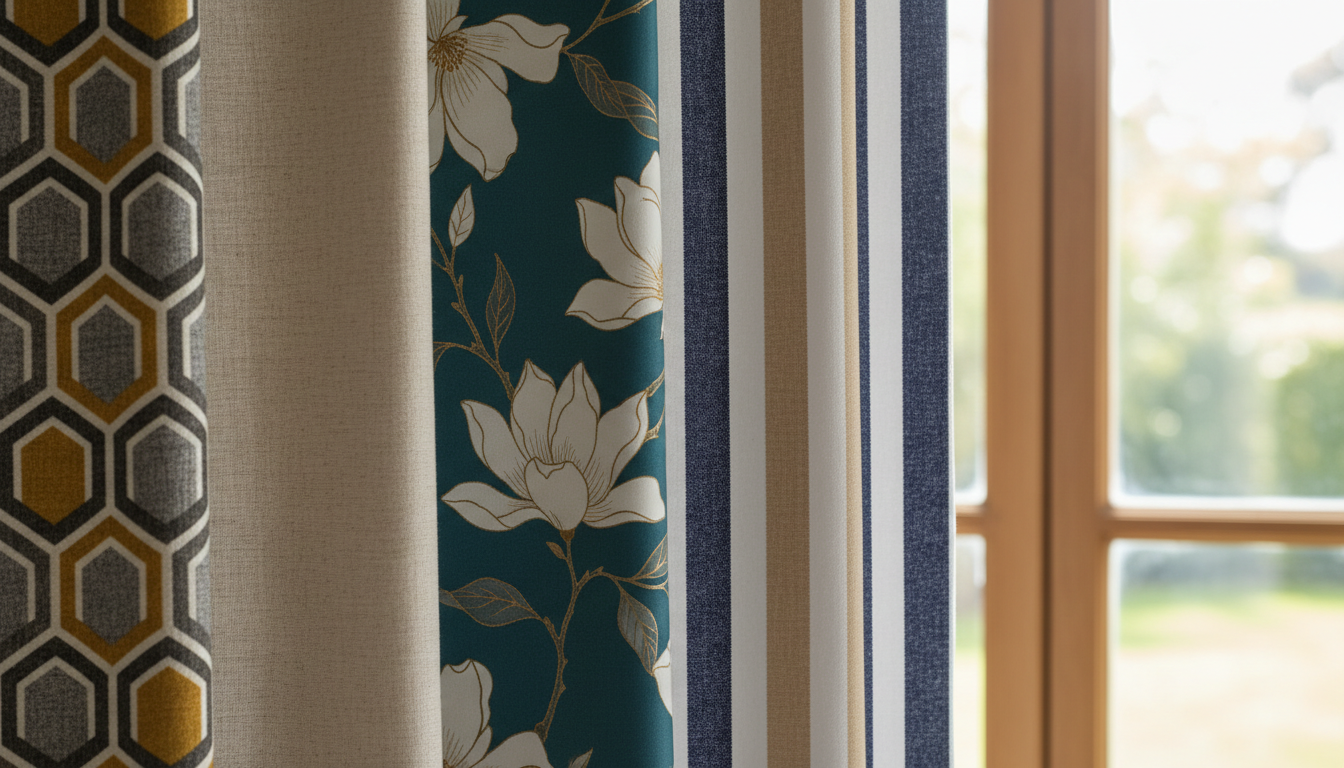
Patterns change the entire vibe of a roman shade. Roman shades boast exclusive prints to match your unique style, and that's what sets them apart from plain solids. The pattern you pick can either blend quietly into your room or become the star of the show.
When the shade folds up, the pattern would be a fun color but also look nice when the shade was open and therefore folded up. This is something many people forget to think about. You'll see the pattern in two states—fully extended and stacked at the top of your window.
The beauty of patterned roman shades is their versatility. From modern geometric designs to classic florals, there's a pattern that works for every room in your home. We've seen them transform everything from bland kitchens to boring bedrooms.
Popular Pattern Types for Roman Shades
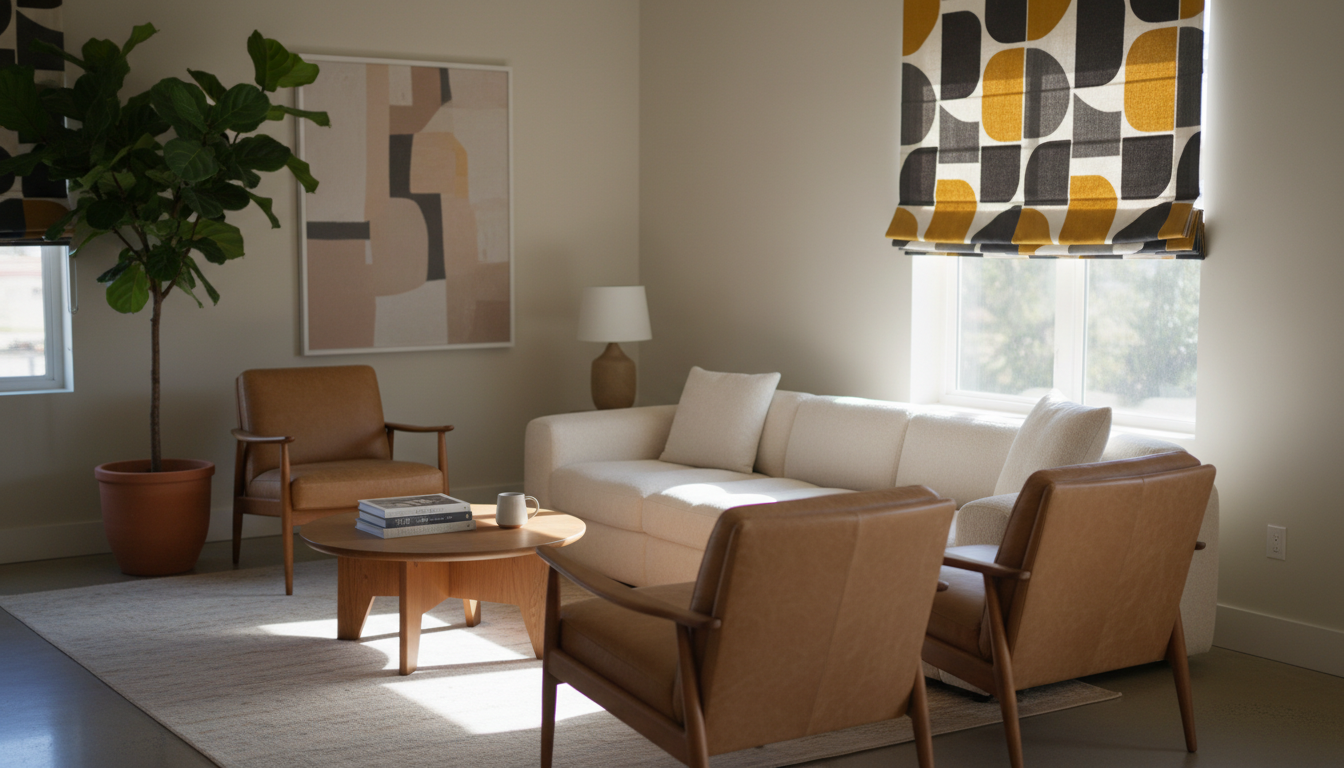
Let's talk about what's actually out there. Patterns range from floral and dramatic jungle scenes to block colors or whimsical botanicals, giving you tons of options to explore.
Geometric patterns work great in modern spaces. Geometric patterns offer a modern touch and create clean, structured lines that complement contemporary furniture. Think chevrons, hexagons, or abstract shapes.
Florals remain a crowd favorite. Traditional rooms look best with classic stripes, plaids, and florals in Roman shades, while cottage-chic rooms can handle busier patterns like paisleys and large florals. The scale matters—small blooms create a delicate feel, while oversized flowers make a bolder statement.
Stripes offer timeless appeal. They can run horizontally or vertically, and they're surprisingly forgiving in different room styles. From florals & stripes, to damasks & dots, choose from over 3000+ options when shopping from quality retailers.
How to Choose the Right Pattern for Your Space
Picking a pattern isn't just about what catches your eye. You need to think about what's already happening in your room. Matching or contrasting the dominant colors and patterns is key. Choose a fabric with similar hues to create a cohesive flow if your walls or furniture are bold, saturated colors.
Here's the thing—too many patterns can feel chaotic. If your room already has a patterned rug, busy wallpaper, or printed furniture, you might want to dial it back with your shades. But if your space feels flat with all solid colors, patterned roman shades are ideal for you. Patterns have the effortlessly elegant ability to break the monotony of monochrome and bring a sense of vibrance to any space.
Pattern scale plays a bigger role than most people realize. Small-scale patterns pair well with subtle wall colors, and large-scale prints match bold paints for visual balance. Walking into a paint store for color swatches? Bring fabric samples from Aosky to see how they look together.
DIY vs. Ready-Made Patterned Roman Shades
You've got two main paths here: make them yourself or buy them ready to hang. Both have their perks.
DIY patterned shades let you pick any fabric you love. A Roman shade purchased custom-made will run you about $300 minimum. My custom Roman shade cost about $80. That's serious savings if you're handy with a sewing machine. Making new Roman shades is a great DIY project for a new sewer, since it involves only straight lines. Come learn how to sew your own beautiful Roman shades with just a little bit of time and effort.
The DIY route means whenever cutting fabric for a project like this, consider where the pattern will lie on the finished project. You'll need to match pattern repeats and plan your measurements carefully. For some crafty folks, that's half the fun. For others? It's a headache.
Ready-made options save you the hassle. Shopping for window treatments like cordless roman shades from trusted brands means professional construction and easier installation. You'll pay more, but you get guaranteed quality and no sewing stress.
Measuring and Installation Tips
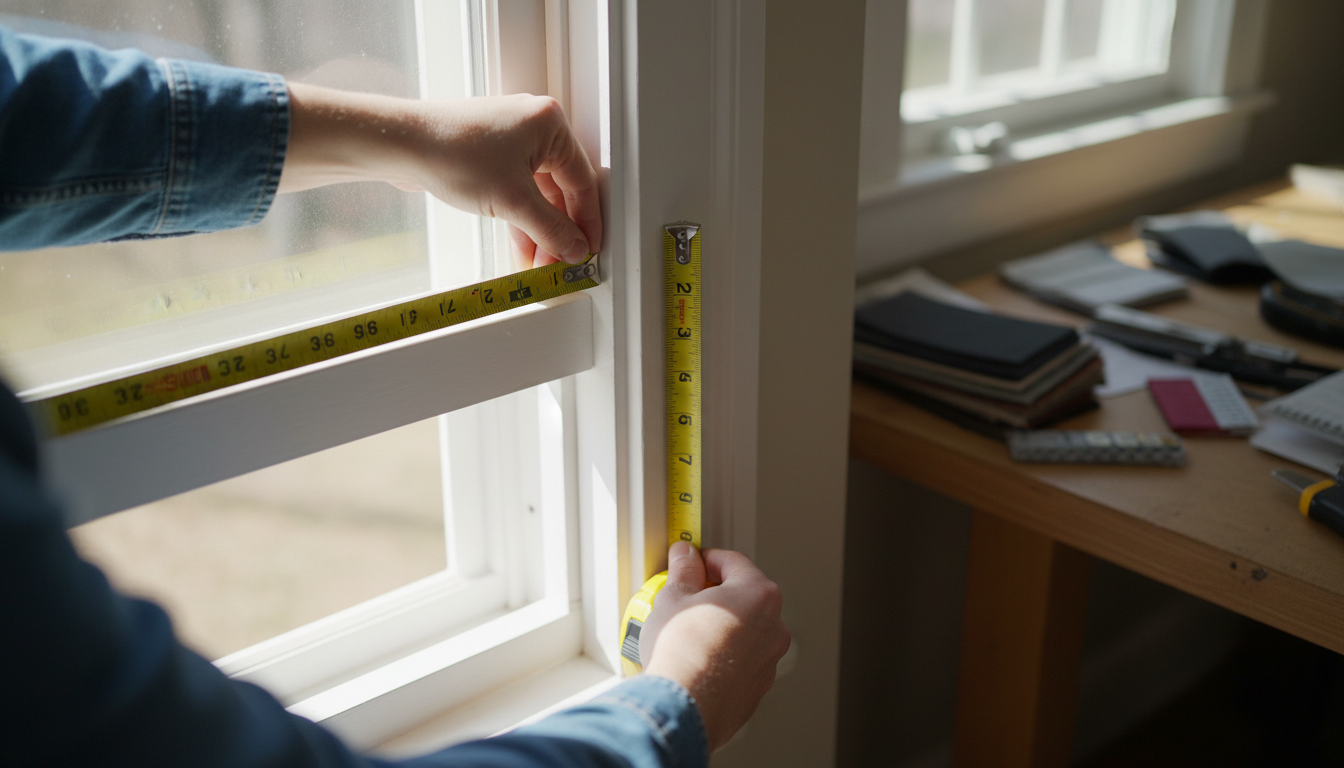
Getting the measurements right makes or breaks your project. By taking your own measurements, you can ensure a perfect fit for your window. Plus, you get to make all the design decisions, such as how much space the shade takes up in your window, how many folds it has, and where the folds fall.
First decision: decide whether you want your Roman shades to hang INSIDE your window trim or OUTSIDE your window trim. Our windows in this house are super shallow so a roman shade wouldn't fit inside. We were also looking to have these block as much light as possible so… for both those reasons we mounted them outside the trim. Because this decision affects the measurements, you need to decide this first.
For inside mounts, measure the exact width and height of your window frame. For outside mounts, add 2-4 inches beyond the frame on each side to block light gaps. Write everything down—twice. Seriously, measure twice and order once.
When working with patterned fabric, line up the pattern on the valance if you can. It should line up pretty well if you align the selvedge on one side and have enough room to move the valance piece up or down as needed. Pattern matching separates amateur-looking shades from professional ones.
Caring for Patterned Roman Shades
Patterns can hide some dirt, but they still need regular care. Avoid white or light solids that show every splash. Patterns and medium tones hide minor stains between cleanings. That's one bonus of going patterned—they're more forgiving.
For routine maintenance, vacuum monthly using upholstery attachments to keep dust from settling into the fabric folds. This works for both ready-made and DIY shades. Keep the vacuum on a low setting to avoid pulling the fabric.
Fabric choice matters for longevity. Synthetic fabrics stand up well to sunlight and moisture. Natural fibers work better in controlled indoor environments. If your kitchen gets steamy or your bathroom humid, skip the linen and go synthetic.
Different patterns show wear differently. Busy prints hide fading better than large-scale designs where sun damage becomes obvious. Think about which windows get direct sun before committing to a pattern.
Conclusion
Picking the right roman shade pattern comes down to understanding your space, knowing your options, and being honest about your DIY abilities. Geometric prints bring modern edge, florals add softness, and stripes deliver timeless style. Match your pattern scale to your room's existing colors and patterns for the best results.
Whether you're sewing your own or shopping ready-made, taking accurate measurements and considering both the raised and lowered positions will save you headaches. Patterned roman shades can transform a boring window into a design feature—you just need to choose wisely. Start by sampling fabrics, measuring carefully, and thinking about how the pattern will work in your daily life.
FAQs
What's the best pattern for small windows?
Small-scale patterns work better on small windows. Large prints can look cut off or awkward when you don't have much fabric showing. Stripes or tiny geometric shapes let you see the full pattern repeat without overwhelming the space. Stick with lighter colors too—they make small windows feel bigger.
Can I mix patterned roman shades with printed curtains?
You can, but be careful. Pick patterns in the same color family and vary the scale—one large pattern with one small works better than two competing designs. If your curtains have bold florals, go with subtle stripes or geometric shades. Too much pattern competition makes a room feel messy and cluttered.
Do patterned fabrics block more light than solids?
The pattern itself doesn't block light—the fabric weight and lining do. A sheer fabric with a pattern lets in just as much light as a sheer solid. What matters is whether you add blackout lining or choose a thicker base fabric. Pattern is purely decorative and won't change light control performance.
How do I match patterns when sewing roman shades?
Start by laying out your fabric and identifying the pattern repeat measurement. Cut your fabric pieces so the pattern aligns at the same point on each piece. Pin carefully and use the pattern as your guide when sewing seams. Press everything flat before assembling to see exactly where patterns line up.
Are geometric or floral patterns easier to work with for DIY projects?
Geometric patterns are generally more forgiving because slight misalignments blend in better. Florals with large blooms show mistakes more clearly—if you cut through a flower awkwardly, it's obvious. For your first DIY roman shade, pick a smaller-scale geometric or abstract pattern that doesn't require perfect placement.
Share