

Are Cordless Blinds Worth It? Safety & Style Breakdown 2026
When you're shopping for new window treatments, you've probably seen the buzz around cordless blinds and wondered if they're actually worth the hype. We get it—making the right choice for your home means balancing safety, style, and your budget. The good news? We've done the research so you don't have to. Let's break down everything you need to know about cordless blinds to help you make a smart decision.
Cordless blinds have become one of the hottest trends in window coverings, and for good reason. They eliminate the dangling cords that can be a safety hazard while giving your windows a sleek, modern look. But are they the right fit for your home? In this guide, we'll walk you through the pros and cons, costs, and whether this upgrade truly delivers on its promises.
What Are Cordless Blinds?
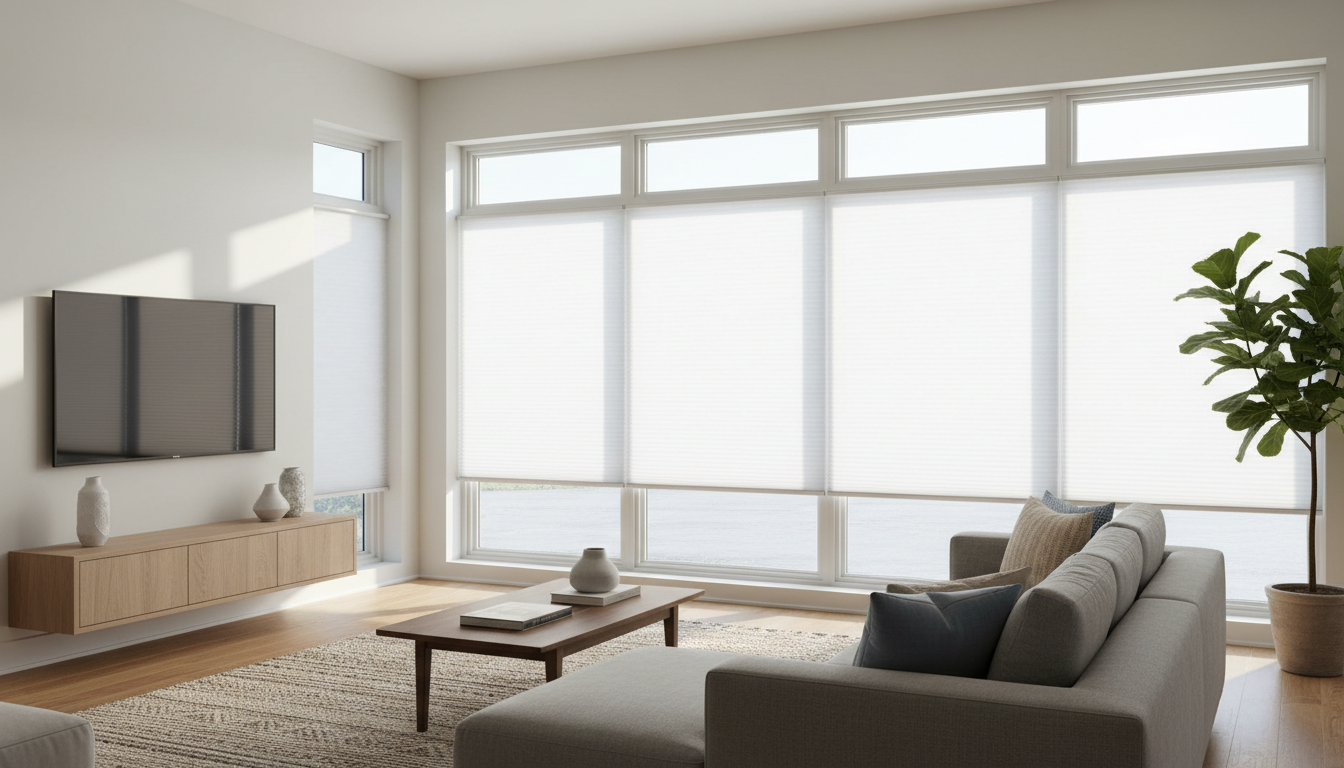
Cordless blinds are window coverings that don't use cords or strings. They have a built-in tension system or motor. This lets you adjust them by pushing or pulling the bottom rail. Unlike traditional blinds with those hanging cords you've probably seen (and dealt with) for years, cordless versions use hidden mechanisms to do all the work.
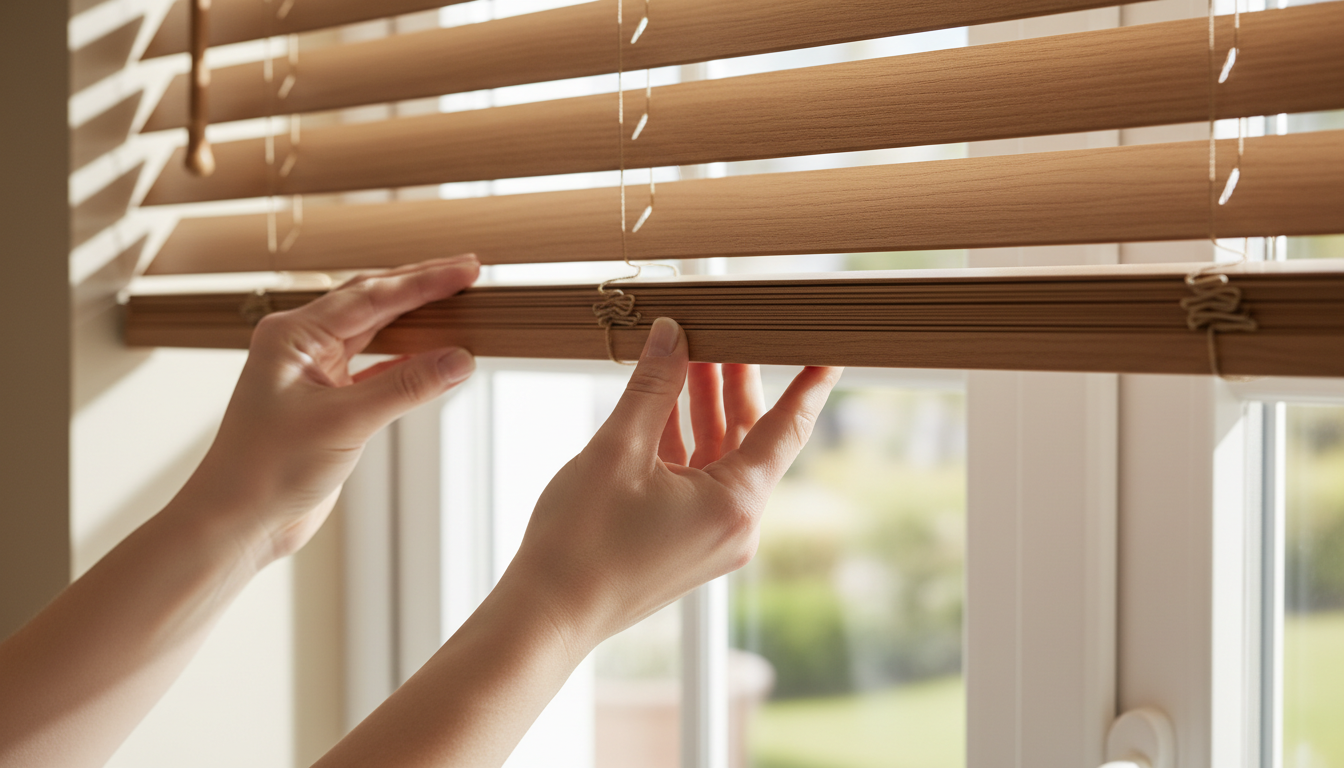
They're built with the tension mechanism placed within the top or bottom pieces (known as the headrail or the bottom rail, respectively). Like all cordless window treatments, the tension mechanism allows you to adjust your blinds without the use of a cord. It's kind of like how an elevator works—you simply lift or lower the blind to where you want it, and the internal system holds it in place. No more wrestling with tangled cords or trying to get both sides even.
You can find cordless options in pretty much every style you'd want—cordless blinds come in many materials and styles. You can choose from wood, fabric, or faux wood. There are many options to match your home's decor. Whether you're into modern minimalism or traditional elegance, there's a cordless blind that'll fit right in. We even offer a range of cellular shades that work beautifully in cordless configurations.
The Pros and Cons of Cordless Shades

Cordless blinds offer multiple advantages that make them a popular choice for homeowners. But like anything, they're not perfect for every situation. Let's dig into both sides so you can see the full picture.
The Good Stuff:
One of the biggest advantages of cordless blinds is safety. Without cords, there is no risk of strangulation, making them ideal for homes with young children or pets. This added security provides peace of mind for families. If you have little ones or furry friends running around, this alone might make cordless blinds worth every penny. Every year, thousands of kids in the U.S. are injured by dangling cords from corded blinds, with some of these resulting in death. That's a scary stat that makes cordless options a no-brainer for many families.
Beyond safety, there's the aesthetic appeal. Cordless window coverings are not only practical but also stylish. With no cords hanging down, they offer a clean and uncluttered look that works well in any room. Whether you're going for a modern, minimalist vibe or a cozy, traditional space, cordless blinds and shades seamlessly blend into your décor. They just look neater and more polished than their corded cousins.
Cordless blinds are often more durable than corded blinds. Their design has fewer moving parts, reducing the risk of breakage. This makes them a long-lasting and reliable window treatment option. When you consider that you won't have cords wearing out, tangling, or snapping, the investment starts to make more sense.
The Not-So-Good:
Cordless blinds tend to be more expensive due to their advanced features. You'll typically pay a bit more upfront compared to traditional corded blinds. However, the added safety and convenience often outweigh the extra cost. Large Windows: For very tall, oversized, or hard-to-reach windows, cordless shades may be harder to operate.
If you've got windows that are super wide or tall, you might need two people to raise and lower them evenly. Homeowners need to be able to reach the center of the blind in order to open and shut them properly. This would not be possible if you have furniture or bulky items in the way. Additionally, if the window is tall, you might not be able to raise the blind all the way. For these situations, motorized options might be a better bet.
Child Safety: The Biggest Advantage
Let's talk about the elephant in the room—child and pet safety. This is where cordless blinds really shine, and honestly, it's the main reason most people make the switch.
They also pose a safety hazard for pets and children. If safety is a priority for smaller family members, cordless blinds are the best option. We're not just talking about minor bumps and bruises here. Window shades and blinds equipped with cords to raise, lower and open them pose a significant choking hazard to children and pets. According to the U.S. Consumer Product Safety Commission, a child under the age of 10 dies from window cord strangulation every month.
That statistic is heartbreaking and totally preventable. Yes, cordless is the safest choice for families and pet owners. No cords means no risk of entanglement. When you eliminate those dangling cords, you're removing a serious hazard from your home.
Safer than other window shades, cordless shades are preferred by those who have children or pets. With cordless shades, you will not worry about the possibility of cord strangulation or your children confusing the cord as a toy. They are safe to add to not only the children's bedrooms but also the bathroom, living room or kitchen. This peace of mind is priceless, especially when you think about all the other things you have to worry about as a parent.
For pet owners, the benefits are just as real. For pet owners, cordless shades are also a wonderful choice. You will not find your cat using the hanging cord as a play toy or your dog confusing it with a chew toy. Cordless shades can prevent damage to your shades or blinds, as well as keep your pets out of possible danger. If you're looking for more ways to keep your spaces safe and private, check out our guide on complete privacy curtains to see what type blocks everything.
How Do Cordless Blinds Work?
You might be wondering how these things actually function without cords. It's pretty clever, actually. How do cordless blinds work? They work with a tension system that allows you to move the blinds or shades up or down without pulling cords.
To understand how cordless blinds work, think of an elevator, or a pulley system. Cordless blinds and shades alike have a tension mechanism inside the headrail or bottom rail that holds them in place while also allowing you to raise and lower them to the desired position. The mechanism is designed to be smooth and easy to operate—you just give a gentle push or pull, and the blind responds.
A cordless blind mechanism is a spring-loaded system that allows you to raise and lower the blinds without the use of cords. Simply push up on the bottom rail to raise the blinds, and pull down on the bottom rail to lower them. It's that simple. The tension keeps everything in place exactly where you want it.
Different types of blinds might use slightly different mechanisms—some use springs, others use tension systems—but they all achieve the same goal: cord-free operation that's safe and easy to use. And because the internal mechanisms are hidden, you get that clean, streamlined look that makes your windows look fantastic.
Cordless vs Corded Blinds: A Head-to-Head Comparison
So how do cordless blinds stack up against traditional corded options? Let's break it down by what matters most.
Safety Winner: Cordless, hands down. Cordless blinds are considered much safer than corded blinds, especially for households with young children or pets. There's really no contest here.
Style and Aesthetics: If you're after a modern, streamlined look, cordless blinds are your ideal solution. Without unsightly cords dangling, these blinds offer a sleek, clean aesthetic that fits seamlessly into any room's décor. Whether you have a minimalist design or a more traditional style, cordless blinds blend in effortlessly, offering a clutter-free look that adds to the elegance of your home. The absence of cords creates an uninterrupted flow, making the blinds appear as if they're part of the window itself. Corded blinds, while functional, just can't match that clean look.
Cost: Cordless blinds are more expensive than corded blinds; they contain a lot more moving parts, which can add up quickly. If budget is an issue, corded blinds may be the better option for you. But remember, it's important to consider the long-term benefits of cordless blinds when evaluating the cost. The added safety, convenience, and sleek design may justify the initial investment, particularly in homes with children or pets where safety is paramount.
Durability: Here's where it gets interesting. Yes, cordless blinds are generally more durable than corded blinds since they contain sturdier mechanisms and are less prone to breakage. However, some experts note that corded blinds typically last longer. In fact, corded blinds can hold out a bit longer than cordless blinds, depending on treatment of course. The truth is, with quality products, both can last for years. It often comes down to how you use and maintain them.
Ease of Use: Cordless shades are incredibly easy to use. Simply push them up or pull them down to adjust the height. This smooth operation makes them especially convenient for high-traffic areas like living rooms, kitchens, or bedrooms. No more fumbling with cords or dealing with tangles.
Are Cordless Blinds Worth It?
Okay, so here's the big question: should you actually spend the extra money on cordless blinds?
Cordless blinds often cost more than corded ones due to their advanced design and safety features. They provide benefits such as easier use, a cleaner appearance, and better safety. This is especially true for homes with children or pets. These advantages can make them a worthwhile investment.
If you have kids or pets, the answer is pretty clear: yes, they're absolutely worth it. The safety benefits alone make them a smart choice. One of the biggest advantages of cordless blinds is their safety. Traditional blinds with dangling cords can pose a serious risk to young children and pets who may become entangled in them. Cordless options eliminate this hazard, giving parents and pet owners peace of mind. Safety is a top priority in family homes, and cordless blinds are a simple, effective way to create a safer environment for everyone.
Even if you don't have little ones around right now, think about the future. It's also important to point out that because there are no loose cords or strings, cordless blinds do not pose a safety threat to small children and pets. This is something to consider even if you do not have kids because investing in cordless blinds will be an excellent selling feature for your home in the future. When it comes time to sell, having modern, safe window treatments can be a selling point.
For rooms where you adjust the blinds frequently, cordless options are a game-changer. No more tangled messes or broken cords. The smooth, easy operation makes your daily routine just a little bit simpler. And let's be real—in our busy lives, anything that makes things easier is worth considering.
That said, cordless blinds aren't perfect for every situation. Cordless blinds may not be ideal for very large or extra-wide windows, as their weight can make them harder to operate. In such cases, motorized options or alternative window treatments might be a better fit. If you've got windows that are tough to reach or furniture blocking access, you might want to look at motorized options instead.
Cost Considerations and Value
Let's talk money. It's true that cordless blinds tend to come with a higher price tag than traditional corded models. The technology behind the cordless mechanism, especially in motorised or remote-controlled versions, can drive up the cost. For budget-conscious shoppers, this might make cordless blinds seem like a less attractive option upfront.
But here's the thing about value—it's not just about the upfront cost. You need to think about what you're getting for that extra money. You're paying for:
- Safety that could literally save a life
- Convenience that makes your daily routine easier
- Durability from fewer breakable parts
- Aesthetics that make your home look more polished
- Resale value that could pay off down the line
When you look at it that way, spending a bit more starts to make sense. Plus, cordless blinds generally require less maintenance than corded versions since there are no cords to replace or untangle.
Style and Design Flexibility
One concern people sometimes have is whether going cordless means sacrificing style options. The good news? Not at all. Cordless window coverings are available in a wide range of styles, materials, and colors.
You can get cordless options in:
- Roller shades
- Cellular/honeycomb shades
- Wood and faux wood blinds
- Roman shades
- Vertical blinds
- Mini blinds
- And more
One great aspect of cordless blinds is they are versatile. You aren't stuck with one style or material. If you want bamboo, woven wood, or roller shades, you can get them all cordless. This makes it easy to find a cordless shade style that not only matches your décor but also fits within your budget. Whether you're decorating a modern loft or a traditional family home, you'll find cordless options that work.
Cordless shades are modern and sleek, creating a minimalistic and relaxing atmosphere in any room. When the blinds are pulled up, they create a clean and even line allowing the outside view to be seen without any clutter. They're especially great if you're going for that clean, contemporary look that's so popular right now.
When Cordless Might Not Be the Best Choice
To be completely honest, there are some situations where cordless blinds might not be your best option. We want to give you the full picture so you can make the right choice for your specific needs.
Imagine windows with a width of over 100 inches, for instance. If you have a cordless style, two separate people may have to be available to open and close a treatment of this size evenly. A standard line would allow a single individual to operate the set of heavier, larger blinds. For really wide or heavy blinds, the cordless mechanism can be tough to manage.
If space is limited and your blinds or shades are behind a large sofa or television, cordless styles may be tough to manoeuvre. This is because the bottom rail could be hidden by the furniture or appliance. You need clear access to the bottom rail to operate cordless blinds properly.
Finally, cordless blinds can be a challenge for elderly and disabled individuals because they require a certain degree of agility to be able to push and pull the blinds overhead in order to raise and lower them. If you or someone in your home has mobility issues, motorized options might be a better solution.
In these situations, you're not out of options. Motorized blinds offer all the safety benefits of cordless designs but with remote or app control, making them perfect for those hard-to-reach or heavy window treatments.
How to Make the Right Choice for Your Home
So, are cordless blinds worth it? For most homes, especially those with children or pets, the answer is a resounding yes. The safety benefits, sleek appearance, and ease of use make them a smart investment. While they cost a bit more upfront, the long-term value—in both safety and functionality—usually makes up for the price difference.
Whether you go with corded or cordless blinds, you're going to be met with both advantages and disadvantages. Evaluate which type of window treatment is best suited for your home, taking into consideration safety, budget and maintenance. At the end of the day, it all comes down to personal preference; no matter what you choose, there's a perfect option out there that will fit both your needs and design style.
Before you make your final decision, think about:
- Who lives in or visits your home (kids, pets, elderly relatives)
- Your window sizes and locations
- Your budget (both initial and long-term)
- How often you'll be adjusting your blinds
- Your home's overall style and aesthetic
If you're ready to explore cordless options, we'd love to help you find the perfect fit. Visit aosky.com to browse our full selection of window treatments designed with your safety and style in mind.
Frequently Asked Questions
Q: Do cordless blinds break easily?
Not really. Cordless blinds are often more durable than corded blinds. Their design has fewer moving parts, reducing the risk of breakage. Quality cordless blinds can last for many years with proper care. The key is choosing well-made products from reputable manufacturers.
Q: Can you install cordless blinds yourself?
Absolutely! Cordless blinds are actually pretty straightforward to install, often easier than corded versions since you don't have to worry about threading and adjusting cords. Most come with clear instructions and all the hardware you need. Just make sure you follow the manufacturer's guidelines for a secure installation.
Q: Are cordless blinds harder to operate than corded blinds?
Not at all. Using a cordless shade is simple. All you do is tug the shade down, and gently pull it to lift it back up. You don't have to deal with tangled cords, the cord not catching, or pets trying to play with them. Most people find them easier and more intuitive once they get used to them.
Q: Will cordless blinds work with smart home systems?
Many cordless blinds can be upgraded to motorized versions that integrate with smart home systems. These allow you to control your blinds via smartphone apps, voice commands, or automated schedules. It's a great option if you want the safety of cordless with the convenience of automation.
Q: How long do cordless blinds typically last?
With proper care and quality construction, cordless blinds can last 7-10 years or more. Cordless blinds are often more durable than corded blinds. This makes them a long-lasting and reliable window treatment option. The lifespan depends on factors like how often you use them, the quality of the mechanism, and how well you maintain them.
Share