

Complete Privacy Curtains: What Type Blocks Everything?
When you want to relax at home without worrying about neighbors or passersby peeking in, the right curtains make all the difference. But not all window treatments are created equal. Some let light filter through while barely hiding what's happening inside, while others block everything—light, views, and even sound. So, what type of curtains actually provide complete privacy?
We've spent time researching the best privacy curtain options available, and we're breaking down exactly what works, what doesn't, and how to choose curtains that truly block everything. Whether you're looking to keep your bedroom completely dark or just want to feel secure in your living room, we'll help you find the perfect solution.
What's the Difference Between Blackout and Room Darkening Curtains?
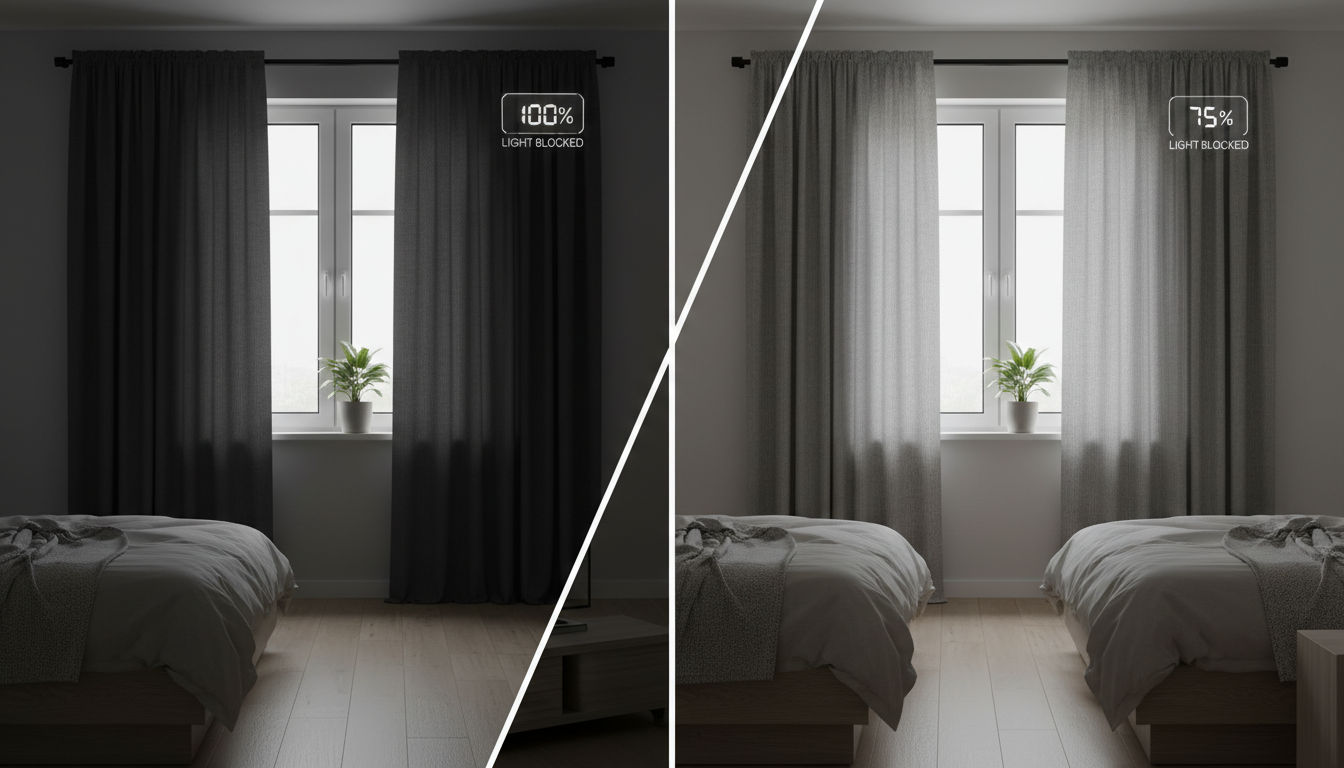
This is probably one of the most confusing things when shopping for privacy curtains. Blackout curtains often refer to drapes made with a special lining and tightly woven fabric, and they are designed to block 95% to 100% of light. When we talk about complete privacy, blackout curtains are the gold standard.
Room darkening curtains, a milder counterpart to blackout curtains, incorporate a less dense fabric liner and filter out 70% to 90% of the light. They'll dim your room significantly, but won't give you that pitch-black environment that blackout curtains deliver. Think of room darkening as the middle ground—better than sheer curtains but not quite as effective as true blackout options.
The main difference comes down to how much light and visibility you're okay with. Blackout curtains block 95%–100% of light creating complete darkness, while room darkening curtains reduce 70%–80% of light, offering significant light control but not complete darkness. For complete privacy where no one can see inside even at night with your lights on, blackout is the way to go.
Best Fabrics for Complete Privacy Curtains
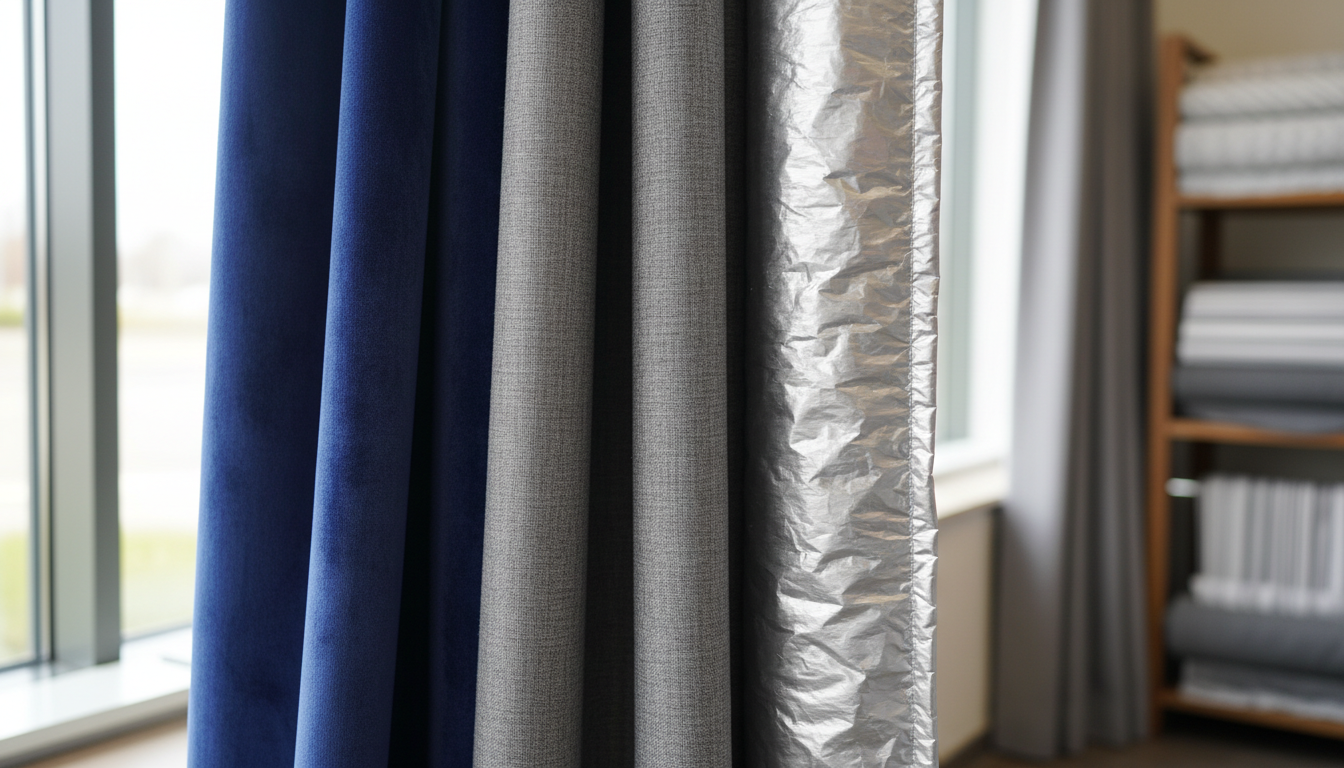
Fabric choice matters more than you might think. Fabric density matters most—if you can see distinct shapes on the other end of a curtain, that curtain won't hide much, and tightly woven fabrics block views because light can't pass through the small gaps between threads.
Let's talk about the fabrics that actually work. Velvet is a really good fabric when it comes to privacy because it is dense and has a pile construction that blocks any light from getting through it. We love velvet curtains for bedrooms and bathrooms where privacy is non-negotiable.
Polyester is one of the most common materials used in blackout curtains—it is durable, easy to maintain and resistant to wrinkles and shrinking, and the tightly woven fibres of the fabric create an effective barrier against light. Polyester blends also work well, especially when combined with cotton for a more aesthetic appeal while maintaining light-blocking properties.
Thermal curtains deserve a special mention. Thermal curtains are intended for insulation, but they also add privacy because the foam or felt backing is effective at blocking temperature transfer and is also effective at blocking views. These are practical for any room where you need both energy savings and complete privacy.
How Curtain Lining Affects Privacy
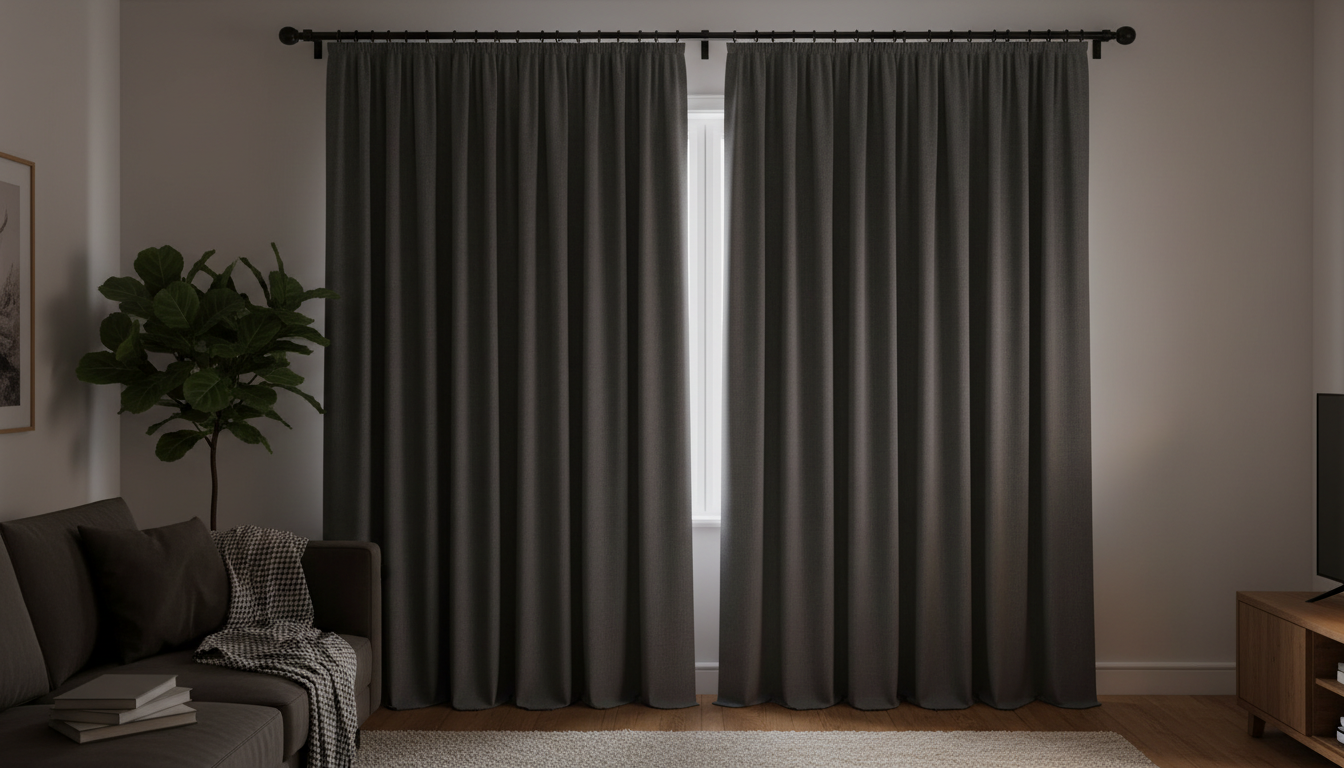
Even if you choose a beautiful decorative fabric that's not super dense, you can still get complete privacy by adding the right lining. Opaque lining is a valuable asset—a medium-weight fabric can gain significantly more privacy when backed with a lightproof lining.
Blackout lining is the only lining option that would prevent any light and views from breaking through the curtains—these linings are a thick, white backing that will make any face fabric completely private, making blackout curtains a perfect choice for bedrooms, bathrooms, and even street-facing windows.
If you already have curtains and you're not sure how private they really are, here's a simple test: hold a small piece of the fabric over a flashlight. If light shines through easily, those curtains won't give you complete privacy at night when your indoor lights are on.
Blackout Curtains: The Best Choice for Complete Privacy
When we say "complete privacy," we mean blackout curtains. These are the curtains that block everything—light, visibility, and often even sound and temperature fluctuations. Blackout curtains block 100% of light, making them perfect for bedrooms, nurseries, or media rooms where complete darkness is essential, and the thick fabric ensures that no one can see inside, even at night with the lights on.
The benefits go beyond privacy. By blocking out unwanted light, blackout curtains help regulate the body's natural sleep-wake cycle, promoting deeper and more rejuvenating sleep, and for bedrooms, bathrooms, or any private space in your home, blackout curtains provide unmatched discretion because blackout fabrics are specially constructed to prevent light from shining through, even when illuminated from the outside at night, ensuring outsiders can't see any movement or silhouettes within your home.
We've also seen great results with blackout curtains at Aosky, where you can find quality window treatments that combine style with function. If you're considering upgrading your entire window treatment system, you might also want to check out options like motorized roller shades for ultimate convenience, or explore cellular shades that offer both privacy and energy efficiency.
Installation Tips for Maximum Privacy
Even the best blackout curtains won't give you complete privacy if they're not installed correctly. For the best privacy coverage, proper curtain installation is essential—mount curtain rods several inches above and beyond the window frame to block side and top gaps, use ceiling mounts or tracks to create a clean, floor-to-ceiling look with better light control, and ensure curtain panels overlap in the center to avoid gaps that compromise privacy.
We always recommend going wider and longer than your actual window dimensions. This prevents those annoying light leaks around the edges that can compromise both your privacy and your sleep quality. Floor-to-ceiling curtains create a more dramatic look while eliminating any gaps where light or views could sneak through.
Room Darkening vs Light Filtering Curtains
Not everyone needs complete blackout privacy, so let's talk about the alternatives. Light filtering curtains allow the most amount of light into a room compared to blackout and room darkening curtains—they are made from thinner, loosely woven fabrics that invite daylight into the space and cast a warm, diffused glow, enhancing privacy while still allowing visibility.
Here's the thing about light filtering curtains and privacy: Light-filtering curtains so significantly give off less privacy compared to their room-darkening counterpart, and light filtering curtains aren't transparent per se, but your silhouette can still be seen through the window. They're great for communal areas like kitchens and dining rooms, but we wouldn't recommend them for bedrooms or bathrooms if privacy is your priority.
Privacy Sheer Curtains: Do They Work?
Sheer curtains get a bad reputation when it comes to privacy, and honestly, it's mostly deserved. Standard sheer curtains are pretty see-through, especially at night. But there's a newer category called privacy sheer curtains that changes the game a bit.
Cloud Privacy Sheers are a semi-sheer option that offers much more privacy—these are 2x thicker than regular sheer curtains, allowing plenty of natural light while providing increased privacy. They work well during the day, but at night when your lights are on, they still won't provide the complete privacy that blackout curtains deliver.
The best approach? Layer them. Combine privacy sheers with blackout curtains on a double rod system. Use the sheers during the day for soft, filtered light and privacy from daytime viewers, then close the blackout panels at night for complete privacy and darkness.
Color Matters for Privacy Curtains
Here's something most people don't think about: curtain color affects privacy. People most likely do not think about the color of the curtain cloth when they think about privacy, but darker colors absorb light, making them more difficult to see through, while light shades, especially whites and creams, may work in opposition to your benefit in the dark because if your room has a light and is brighter than the outside, light colored curtains become more translucent and can give outside viewers a view inside your room.
The color of blackout curtains also influences their light-blocking ability—colors such as classic black, midnight navy, or luxurious burgundy aren't just style choices, they're strategic, as darker colors absorb more light compared to lighter shades, and if your primary goal is to achieve maximum darkness, curtains in deep, rich colors should be your best choice.
That doesn't mean you're stuck with dark curtains if that's not your style. You can choose lighter colored curtains as long as they have a proper blackout lining. The lining is what does the heavy lifting for privacy—the face fabric is just for looks.
Double-Layered Curtains for Versatile Privacy
We're big fans of double-layered curtain setups because they give you options throughout the day. Different types of privacy curtains serve various needs—blackout curtains completely block light and ensure total privacy, thermal curtains keep homes warm in winter and prevent anyone from seeing inside, and double-layered curtains offer the perfect balance with sheer curtains for the day and blackout ones for the night.
This layered approach works especially well in living rooms and home offices where you want natural light during work hours but complete privacy in the evenings. Mount a sheer or light-filtering curtain close to the window, and hang blackout curtains on a rod a few inches in front. You get the best of both worlds.
Thermal Insulated Curtains for Privacy and Efficiency
If you want complete privacy and energy savings, thermal insulated curtains are worth considering. One of the most significant benefits of blackout curtains is their ability to improve energy efficiency—by reducing the amount of heat that escapes through your windows, these curtains help maintain a consistent indoor temperature, reducing your reliance on heating and cooling systems, and this energy-saving feature not only lowers your utility bills but also makes your home more environmentally friendly.
These curtains typically have multiple layers—a decorative face fabric, a blackout layer for complete privacy, and a thermal backing to regulate temperature. They're thicker and heavier than standard curtains, so make sure your curtain rod can handle the weight.
Where to Use Complete Privacy Curtains
Different rooms have different privacy needs, so let's break it down:
Bedrooms: This is where blackout curtains shine. For bedrooms, blackout curtains are ideal for creating a peaceful, dark environment for sleep, especially if your bedroom is exposed to street lights or early morning sun, and they're also perfect for nurseries, ensuring babies and young children can nap during the day without being disturbed by outside light.
Bathrooms: Complete privacy is non-negotiable here. Blackout or heavy room darkening curtains are your best options. Choose moisture-resistant fabrics to handle the humidity.
Living Rooms: You might want more flexibility here. Double-layered curtains or room darkening options work well, giving you privacy without making the space feel like a cave.
Home Offices: If you work from home and take video calls, you'll want curtains that prevent people from seeing in while you're working. Privacy sheers work during the day, but add blackout curtains for evening privacy.
Common Mistakes to Avoid
We've seen people make these mistakes over and over, so learn from others' errors:
-
Buying curtains that are too small: If your curtains don't fully cover the window and overlap in the middle, you'll have privacy gaps. Always measure generously.
-
Skipping the lining: Unlined curtains rarely provide complete privacy unless the face fabric is extremely dense like velvet or heavy canvas.
-
Installing rods too close to the window: This creates side gaps where light and views can sneak through. Mount your rods several inches beyond the window frame.
-
Choosing style over function: Those beautiful sheer linen curtains might look amazing in the store, but they won't give you the privacy you need at night.
-
Not testing the fabric: Before buying, hold the fabric up to a light source. If you can see through it easily, it won't block views or light effectively.
FAQs
What curtains provide 100% privacy day and night?
Blackout curtains with proper lining provide 100% privacy both day and night. They're made with tightly woven, dense fabrics or have special blackout linings that prevent any visibility from outside, even when your indoor lights are on at night.
Can people see through blackout curtains at night?
No, people cannot see through properly made blackout curtains at night, even with your lights on inside. The thick, opaque fabric or blackout lining blocks all light transmission and prevents silhouettes or shadows from being visible from outside.
Are thermal curtains better than blackout curtains for privacy?
Thermal curtains offer excellent privacy similar to blackout curtains because they typically include a dense backing layer that blocks views. They provide the added benefit of temperature regulation, but for pure privacy purposes, both work equally well.
Do room darkening curtains block everything?
No, room darkening curtains don't block everything. They reduce light by 70-90% and offer good privacy, but they're not as effective as blackout curtains. Some light and potentially silhouettes may still be visible, especially at night with interior lights on.
What's the best curtain fabric that blocks everything?
Velvet, heavy polyester with blackout lining, and triple-weave fabrics are the best options that block everything. The key is fabric density and tight weaving—the less space between threads, the better the privacy and light-blocking performance.
Share