

Best Room Darkening Roman Shades: Your Guide to Light Control & Style
We've all been there—trying to sleep in on a Saturday morning, but the sun has other plans. Or maybe you're trying to watch a movie in the afternoon but can't see the screen because of the glare. Room darkening roman shades solve both problems while looking absolutely gorgeous on your windows.
Roman shades give you that soft, elegant fabric look you'd get from curtains, but with the precise light control of blinds. And the room darkening versions? They take things up a notch by blocking most of the light that tries to sneak through. We're talking about creating a cozy, dim environment where you actually get to decide how bright or dark your space should be.
At AOSKY, we get asked about room darkening options all the time. People want something that works hard but looks even better. That's exactly what quality room darkening roman shades deliver—function wrapped in style.
What Makes Roman Shades "Room Darkening"?
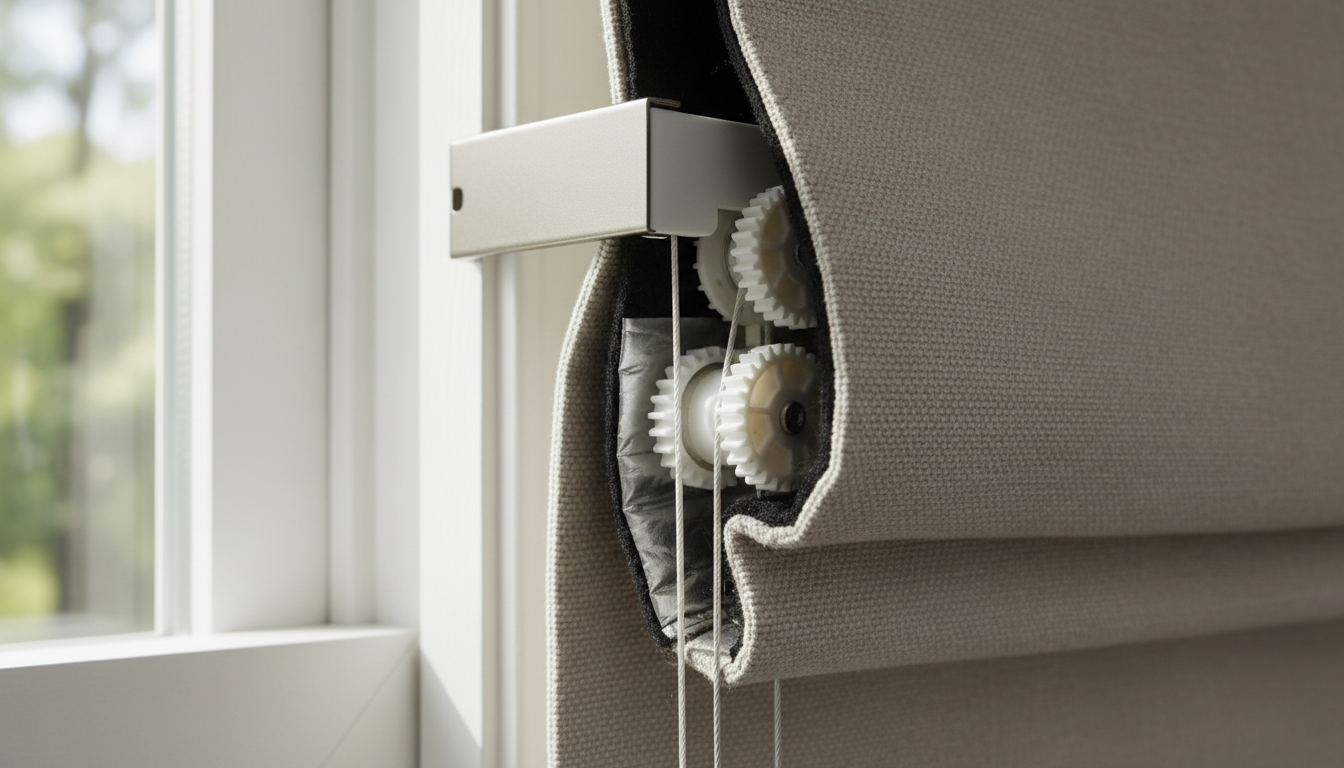
Room darkening shades use special liners or thicker fabrics that block around 70-95% of incoming light. They're not quite blackout (which blocks 99-100%), but they come pretty close.
The secret is in the construction. Most room darkening roman shades feature a backing material—often a foam or thermal liner—that sits behind the decorative fabric you see from inside your room. This liner does the heavy lifting when it comes to blocking light, while the front fabric brings the beauty.
You'll also notice that darker colored shades tend to block more light than lighter ones. A deep gray or chocolate brown naturally absorbs more light than a white or cream shade. But here's the good news—with the right liner, even lighter colors can give you solid room darkening performance.
The best part? These liners often provide bonus benefits like thermal insulation and noise reduction. You'll keep your room cooler in summer and warmer in winter, plus enjoy a quieter space overall.
Cordless vs. Corded: What Works Best?
Cordless roman shades have become the go-to choice for most people, and for good reason. The cordless design looks cleaner, eliminates dangling cords that can be a safety hazard for kids and pets, and operates with a simple pull-down, pull-up motion.
With cordless shades, you just pull down on the bottom rail to lower them, and tug gently to raise them. They lock into place at whatever height you choose. Super simple, super safe.
Corded options use a continuous cord loop system, which can be helpful for larger or heavier shades. If you're covering big windows or French doors, the cord system makes it easier to lift and lower without as much physical effort.
We're big fans of cordless for bedrooms and any room where kids might be playing. Cordless blinds offer real safety advantages without sacrificing style or function. Plus, they just look more modern and streamlined.
Best Rooms for Room Darkening Roman Shades
Bedrooms are the obvious choice. Getting quality sleep means controlling the light in your room, especially if you work nights or just love sleeping in. Room darkening shades create that perfect sleep environment without making your bedroom look like a cave during the day.
Living rooms and media rooms benefit hugely too. Afternoon movies become actually watchable when you can dim the room without closing yourself off completely. You still get some ambient light, but the harsh glare disappears.
Nurseries are another smart application. Babies and toddlers often sleep better in darker rooms, and cordless roman shades mean one less safety concern for new parents. The soft, elegant look also fits perfectly with typical nursery decor.
Home offices can use them to reduce screen glare without making the space feel closed off or depressing. You control exactly how much light comes in based on what you're working on.
The only place we'd suggest avoiding fabric roman shades? High-moisture areas like bathrooms. The fabric can develop mildew issues over time in steamy environments.
Materials & Fabrics That Block Light Best
Polyester fabrics with thermal backings are among the most popular for room darkening. They're durable, resist fading, and the tight weave naturally blocks more light even before you add a liner.
Linen and linen-blend fabrics offer a more luxurious, textured look. The natural fibers add warmth and sophistication to your space. When paired with a blackout or room darkening liner, linen shades deliver both elegance and function.
Textured basketweave fabrics create visual interest while the dense weave helps with light blocking. These work beautifully in casual spaces like family rooms or kitchens.
Some manufacturers use foam-backed fabrics that block 100% of light for true blackout performance. These are perfect for bedrooms where you want maximum darkness, or for home theaters.
The thickness of the fabric matters too. Heavier, denser fabrics naturally block more light than sheer or lightweight options. But with the right liner system, you can get excellent room darkening performance from almost any decorative fabric you love.
Flat Fold vs. Hobbled: Style Choices That Matter
Flat fold roman shades create clean, modern lines when raised. The fabric stacks neatly in horizontal pleats without much bulk. This style works great in contemporary spaces or anywhere you want a minimalist vibe.
Hobbled (or relaxed) fold shades have soft, cascading folds even when fully extended. They create a more traditional, romantic look with extra dimension. The additional fabric between each pleat gives them a fuller, more luxurious appearance.
Pleated styles fall somewhere in between, with structured folds that maintain their shape. These give you a polished, tailored look that works in both traditional and transitional spaces.
Your choice mainly comes down to aesthetic preference. All three styles work equally well for room darkening—the liner does the light-blocking work regardless of how the fabric folds. Pick the style that makes your space feel right.
Mounting Options: Inside vs. Outside
Inside mount means the shade sits within your window frame. This gives you a clean, built-in look that doesn't add visual bulk. You'll need at least 2-3 inches of depth inside your window frame, and the shade will be slightly narrower than the frame to allow for operation.
The tradeoff? Small gaps at the sides and top can let light leak through. Not a huge amount, but enough that you might notice thin lines of light around the edges in a completely dark room.
Outside mount positions the shade on the wall or window trim above and around your window. This provides better light blocking because you can overlap the window frame completely, eliminating those light gaps.
Outside mounting also makes windows appear larger and can hide less-than-perfect window frames. You'll want to extend the shade 2-4 inches beyond the frame on each side for optimal light blocking and visual balance.
For maximum room darkening performance, outside mount is usually your best bet. But inside mount looks great too if a bit of light bleed doesn't bother you.
Price Ranges: What to Expect
Budget-friendly options start around $40-80 for ready-made sizes. These work fine for standard windows and give you decent room darkening performance. You might sacrifice some customization options, but the basic function is there.
Mid-range shades typically run $100-250 per window. You'll get more fabric choices, better construction, and options like cordless lift systems. This is where most people land for quality that'll last.
Custom or designer shades can easily hit $300-600 or more. But you're paying for exact sizing, premium fabrics, motorization options, and construction that'll hold up for years. For primary living spaces or bedrooms where you spend lots of time, the investment often makes sense.
At AOSKY, we focus on delivering quality at accessible price points. Good room darkening performance shouldn't require breaking your budget.
Measuring & Installation Tips
Measure your windows carefully—three times if needed. For inside mount, measure the width at the top, middle, and bottom of your window frame, then use the narrowest measurement. Same for the height.
For outside mount, decide how much overlap you want beyond your window frame. A 2-3 inch overlap on each side is typical, with 2-4 inches above the frame.
Most roman shades come with mounting brackets and hardware. Inside mount brackets attach to the top of your window frame. Outside mount brackets go on the wall or trim above your window.
Make sure you're drilling into solid wood or using appropriate anchors for drywall. A shade that falls down isn't doing anyone any good, and it's definitely not blocking light.
Don't stress too much about installation. Most cordless roman shades install in 15-30 minutes with just a drill and level. The brackets clip in, the shade snaps onto the brackets, and you're done.
Maintenance & Cleaning
Dust your shades regularly with a vacuum brush attachment or microfiber cloth. Weekly dusting prevents buildup that can make fabric look dingy over time.
Spot clean small stains with mild detergent and water on a soft cloth. Blot, don't rub, to avoid pushing the stain deeper into the fabric.
For deeper cleaning, some shades have detachable face fabric that you can remove and gently hand wash. Check your manufacturer's care instructions first.
Avoid harsh chemicals or bleach, which can damage the fabric and liner materials. A gentle fabric cleaner designed for upholstery works best for stubborn spots.
Steaming on low heat can remove wrinkles that develop during shipping or over time. Hold the steamer a few inches away from the fabric to avoid water spots.
Conclusion
Room darkening roman shades solve the real-world problem of too much light in your home, while adding softness and style that harder window treatments can't match. Whether you're outfitting a bedroom for better sleep, creating a comfortable media room, or just reducing glare in your living spaces, quality room darkening shades deliver.
Look for cordless options for safety and clean lines, choose fabrics and colors that match your decor, and consider outside mounting for maximum light blocking. With proper measurement and installation, you'll enjoy years of comfortable, controlled lighting in your favorite rooms.
Ready to find your perfect shades? Browse our collection of roman shades to see options that combine style with serious room darkening performance.
Frequently Asked Questions
What's the difference between room darkening and blackout roman shades?
Room darkening shades block 70-95% of light, creating a dim environment while still allowing some ambient light through. Blackout shades block 99-100% of light for complete darkness. Room darkening works great for bedrooms and living rooms where you want reduced light but not total darkness. Blackout is better for nurseries, home theaters, or if you're a light sleeper who needs complete darkness to rest well.
Can I get room darkening roman shades in light colors?
Absolutely. The light-blocking performance comes mainly from the liner behind the fabric, not the decorative fabric color itself. You can choose white, cream, or any light color you love and still get excellent room darkening when you pair it with a quality thermal or blackout liner. Keep in mind that darker shades do provide slightly better light blocking naturally, but the difference is minimal with good liners.
Are cordless roman shades hard to operate?
Not at all. Cordless roman shades use a simple spring mechanism—you pull down to lower them and tug upward to raise them. They lock at whatever height you choose. Most people find them easier and more intuitive than corded options, especially once you get used to the motion. Even kids can operate them safely, which is one of the main benefits of going cordless.
How do I stop light from coming in around the edges?
Light gaps happen mainly with inside mount shades. To minimize them, choose outside mount installation and make sure your shade overlaps your window frame by 2-3 inches on all sides. Some people also add light-blocking strips or weather stripping along the edges for maximum darkness. But for most situations, the small amount of light that sneaks around inside-mounted room darkening shades isn't enough to be bothersome.
Do room darkening roman shades really help with energy costs?
Yes, they can. The thermal liners that block light also provide insulation, helping keep warm air in during winter and hot air out during summer. You won't see dramatic savings on your energy bill, but every bit helps. The bigger benefit most people notice is comfort—rooms stay more consistently comfortable without as much heating or cooling needed. The noise reduction is a nice bonus too.
Share