

Cellular Shades Energy Efficiency: How Much Can You Actually Save?
We've all had that moment—staring at the electric bill and wondering where all that money went. Turns out, a big chunk of it might be slipping right through your windows. Between 10-25% of heating costs are wasted through window heat loss, costing around $1,300 annually to heat an American home.
Cellular shades (also called honeycomb shades) offer a straightforward fix. They're not some miracle cure, but the energy savings are real, measurable, and backed by solid research. We'll walk you through exactly how these shades work, what kind of savings you can expect, and whether they're worth the investment for your home.
How Cellular Shades Actually Work
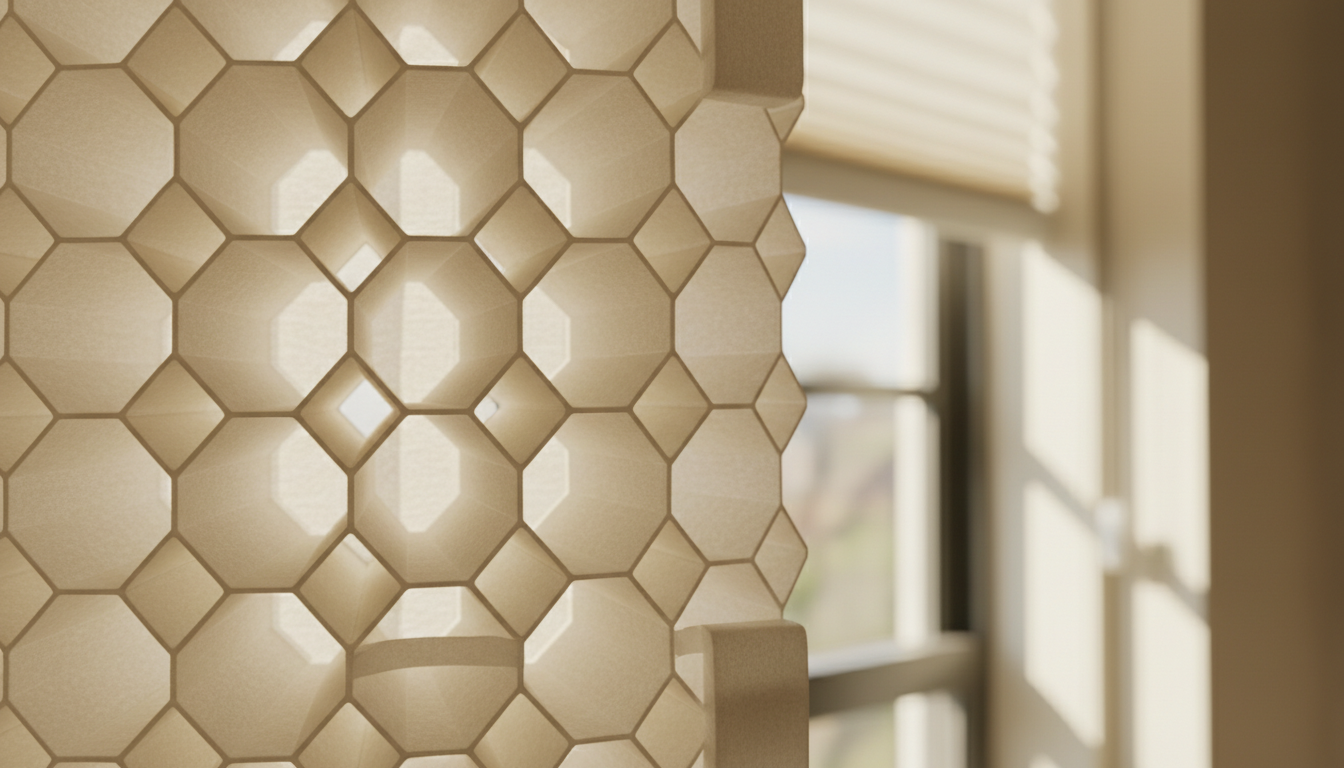
The secret to cellular shades lies in their honeycomb structure. Air pockets in the honeycomb cross-sections act as insulators, increasing the R-value and reducing heat conduction through the window. When you look at them from the side, you'll see these hexagonal cells that trap air—and dead air happens to be one of the best natural insulators around.
Think of it like adding a layer of bubble wrap to your windows, but way more attractive. Each cell creates a tiny pocket that slows down heat transfer. Cold trying to get in during winter? The air pockets slow it down. Heat trying to escape? Same deal. The honeycomb-shaped fabric uses air pockets to slow thermal energy movement, with a 3/4" air pocket providing an R-value of .87, and the combination of air pockets and shade material creating an effective barrier against energy loss.
Our cellular shades come in various cell sizes and configurations, each designed to trap air and regulate temperature differently.
R-Value and Insulation Power
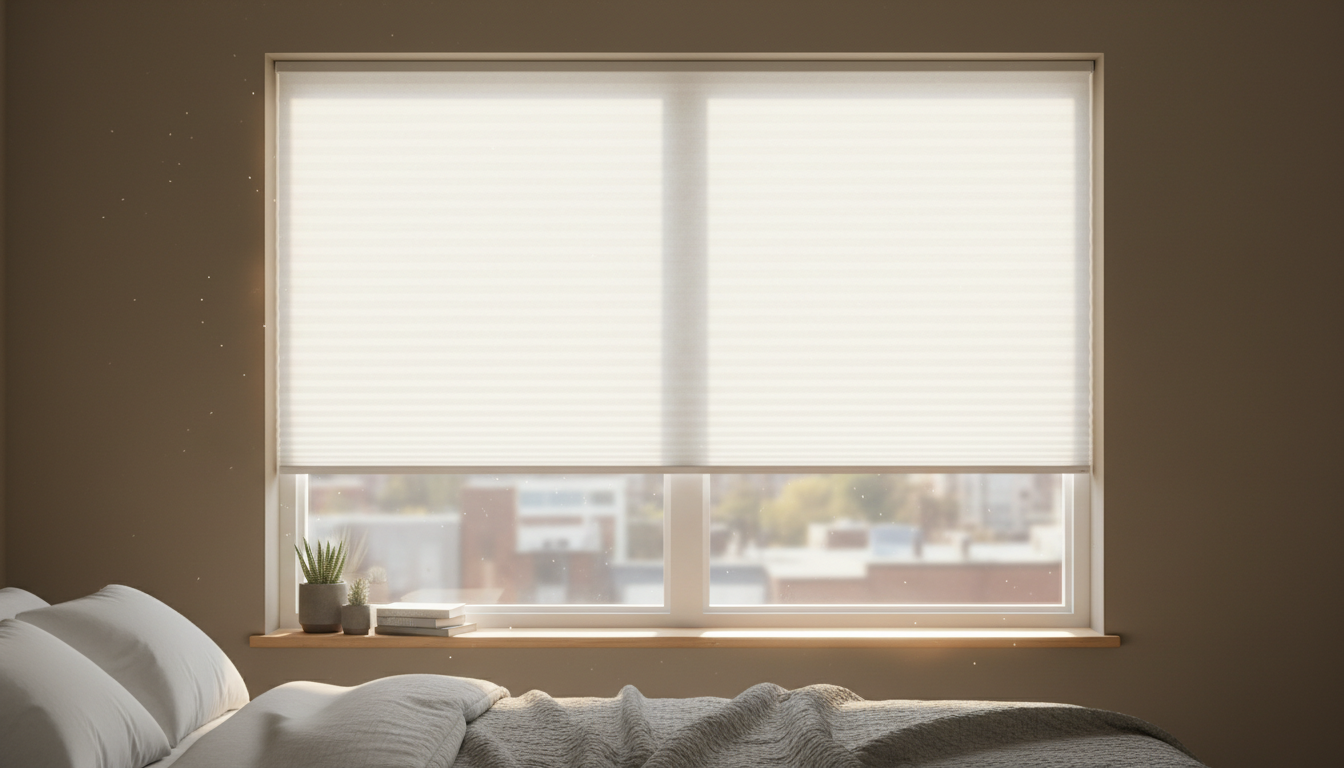
R-value measures thermal resistance—basically, how well something blocks heat transfer. Higher numbers mean better insulation. A typical double-pane window has an R-value of 1.8. That's not much, especially compared to your walls.
Double cell shades have R-values from 3.25 (light filtering) to over 5+ (blackout), while single cell shades range from 2.6 (light filtering) to 3.5 (blackout). So you're potentially tripling your window's insulation value just by hanging these shades.
Blackout varieties perform even better. Double cell blackout fabric with a thin, flexible foil lining blocks 99% of sunlight and achieves an R-value of 4.0. The fabric type matters, but even light-filtering options provide solid insulation.
Real-World Energy Savings Numbers
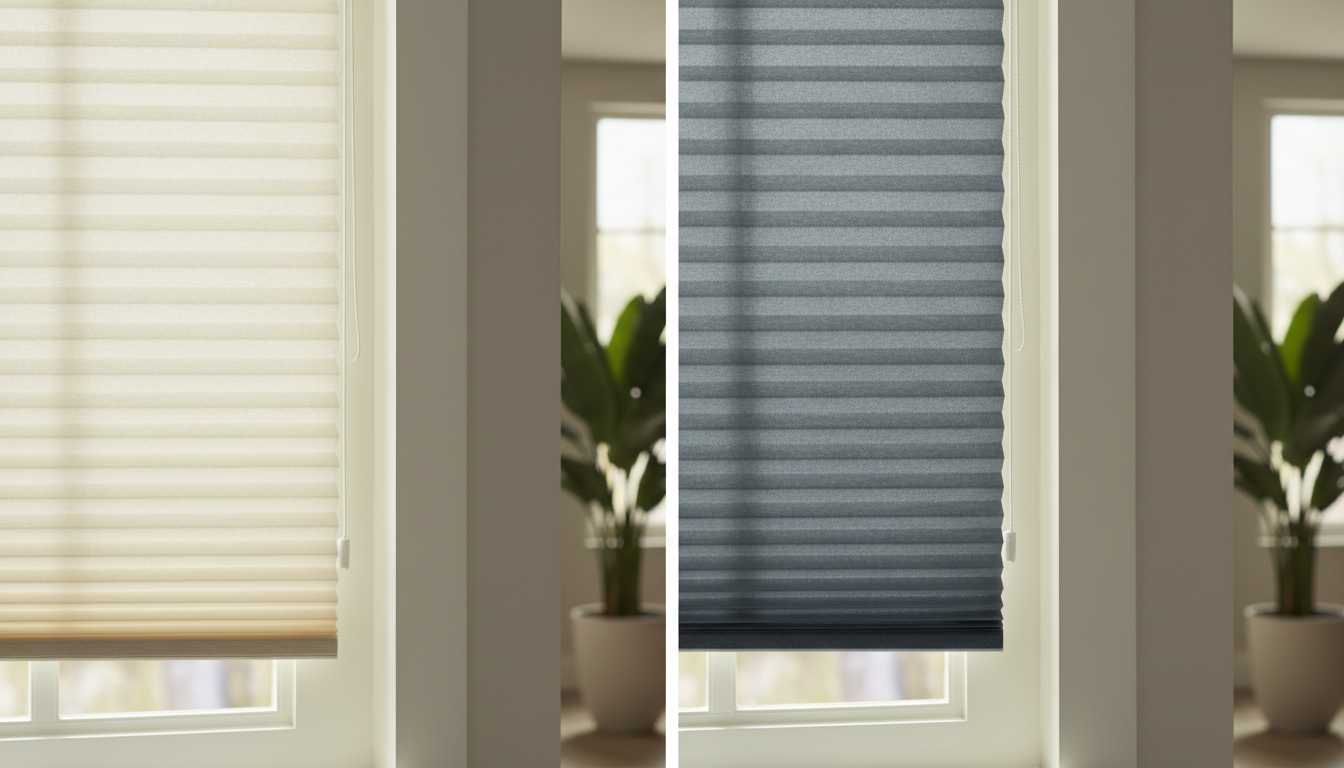
Let's talk actual savings. Tightly installed cellular shades can reduce heat loss through windows by 40% or more, equating to about 10% heating energy savings. That 10% might not sound massive, but it adds up month after month.
Summer cooling is where things get really interesting. In cooling seasons, cellular shades can reduce unwanted solar heat through windows by up to 60%, reducing total solar gain to 20% when installed with a tight fit.
Real testing backs this up. During a heating experimental period, cellular shades reduced HVAC energy use by 17.6 ±8.1%. Another study found cellular shades reduced HVAC energy usage by 13.3 ±2.8% when compared to standard vinyl blinds.
Most homeowners see savings between 10-25% on their total heating and cooling bills after installing cellular shades throughout their home. Your actual results depend on your climate, window size, and how consistently you use the shades. But even at the lower end, that's real money back in your pocket every month.
You might also check out our roller shades or zebra shades for different styling options, though cellular shades typically outperform them for energy efficiency.
Single Cell vs. Double Cell: What's the Difference?
Single cell shades have one layer of honeycomb pockets. They're lighter, less expensive, and still provide decent insulation. Single cellular shades provide better insulation than standard shades, with pleated honeycomb material filtering light and blocking UV rays to keep homes warmer in winter and cooler in summer.
Double cell shades feature two stacked layers of air pockets. Because a double cell shade has an additional layer of pockets, it offers double the insulation and energy savings. The trade-off? They cost more and look slightly bulkier.
For most rooms, single cell works fine. But if you're dealing with extreme temperatures, drafty rooms, or windows that face harsh sun exposure, double cell might be worth the upgrade. Double cell shades give better insulation from loud noise and increase energy efficiency a little better than single-cell shades. The extra layer also helps with sound dampening, which is a nice bonus if you live on a busy street.
Getting Maximum Savings: Installation Tips
How you install cellular shades matters just as much as which ones you buy. Gaps around the edges let air escape, killing your energy savings.
Cellular shades that operate on side tracks are most effective at increasing the R-value of windows, and those that open from both the top and bottom allow users to most effectively control daylight. Side tracks seal the gaps between the shade and window frame, preventing air leakage.
Tight fit is everything. The closer the shade sits to the window frame, the better it performs. Even small gaps can reduce effectiveness by 15-20%. If you're going the DIY route, measure carefully and mount the shades as close to the glass as possible.
Quick Installation Tips:
- Mount inside the window frame when possible for tighter seal
- Consider side tracks for maximum efficiency
- Measure twice, cut once (seriously)
- Make sure shades fully cover the glass when closed
Our roman shades can also provide some insulation benefits, though they won't match the performance of properly installed cellular shades.
Do They Actually Pay for Themselves?
Here's the math that matters. Basic cellular shades start around $25 for small windows. Custom options for larger windows might run $100-300 per window. Sounds pricey, but stick with us.
Most homeowners see 15-25% reduction in heating and cooling costs after installing cellular shades throughout their home, with exact savings depending on climate, window size, and coverage.
If you're spending $200/month on heating and cooling, a 15% savings means $30 back in your pocket monthly. That's $360 per year. Your initial investment in shades could pay for itself in 2-3 years, depending on how many windows you cover and your local energy costs.
After that? Pure savings, year after year. Plus you get better temperature control, UV protection for your furniture, and some noise reduction thrown in. Not a bad deal.
For more guidance on window treatment choices, check out our roman shade pattern guide for additional design insights.
Conclusion
Cellular shades deliver measurable energy savings backed by Department of Energy research and real-world testing. The honeycomb structure traps air to create an insulating barrier that can cut heat loss by 40% in winter and reduce solar heat gain by 60% in summer.
Double cell shades offer superior performance with R-values up to 5 or higher, while single cell options still provide solid insulation at a lower price point. Proper installation with tight fit or side tracks maximizes efficiency. Most homeowners recoup their investment within 2-3 years through lower utility bills, then continue saving month after month.
Browse our full collection at Aosky to find the perfect energy-efficient solution for your windows.
FAQs
Q: How much can cellular shades reduce my energy bills?
Most homeowners see 10-25% reduction in heating and cooling costs. The Department of Energy reports cellular shades can reduce heat loss by 40% in winter and solar heat gain by 60% in summer when properly installed. Your actual savings depend on climate, window size, and how many windows you cover.
Q: Are double cell shades worth the extra cost?
Double cell shades offer better insulation with R-values ranging from 3.25 to 5+, compared to single cell's 2.6 to 3.5. They're worth it for extreme climates, drafty rooms, or windows with harsh sun exposure. For moderate climates, single cell shades provide solid performance at lower cost and typically pay back the investment within 3-5 years.
Q: Do cellular shades work in summer and winter?
Yes, they work year-round. The honeycomb air pockets slow heat transfer in both directions—keeping warm air inside during winter and blocking hot air from entering in summer. Use them strategically by closing shades when sun hits windows directly in summer, and opening them for solar gain on sunny winter days.
Q: What's the best way to install cellular shades for maximum energy savings?
Install shades as close to the window glass as possible with minimal gaps. Inside-mount installation typically provides tighter fit than outside mount. Side tracks create the best seal by closing gaps between shade and window frame, potentially adding 20% more savings. Make sure shades fully cover the glass when closed.
Q: How do cellular shades compare to other window treatments for energy efficiency?
Cellular shades have the highest R-values of all window coverings according to Department of Energy research. They outperform vinyl blinds by 13-17% in energy savings and beat roller shades and roman shades for insulation. The honeycomb structure's air-trapping design makes them more effective than flat fabrics or slatted blinds.
Share