

Mini Blinds vs Cellular Shades: How to Choose the Right One
Choosing the right window treatments can feel overwhelming with so many options out there. If you're torn between mini blinds and cellular shades, you're not alone. These two popular choices serve different purposes and come with their own sets of pros and cons. We're here to help you understand the key differences so you can make the best decision for your home, budget, and lifestyle.
Both mini blinds and cellular shades are solid options, but they shine in different areas. Mini blinds give you precise light control with their adjustable slats, while cellular shades excel at energy efficiency with their unique honeycomb design. Let's break down everything you need to know to pick the right window treatment for each room in your home.
What Are Mini Blinds?
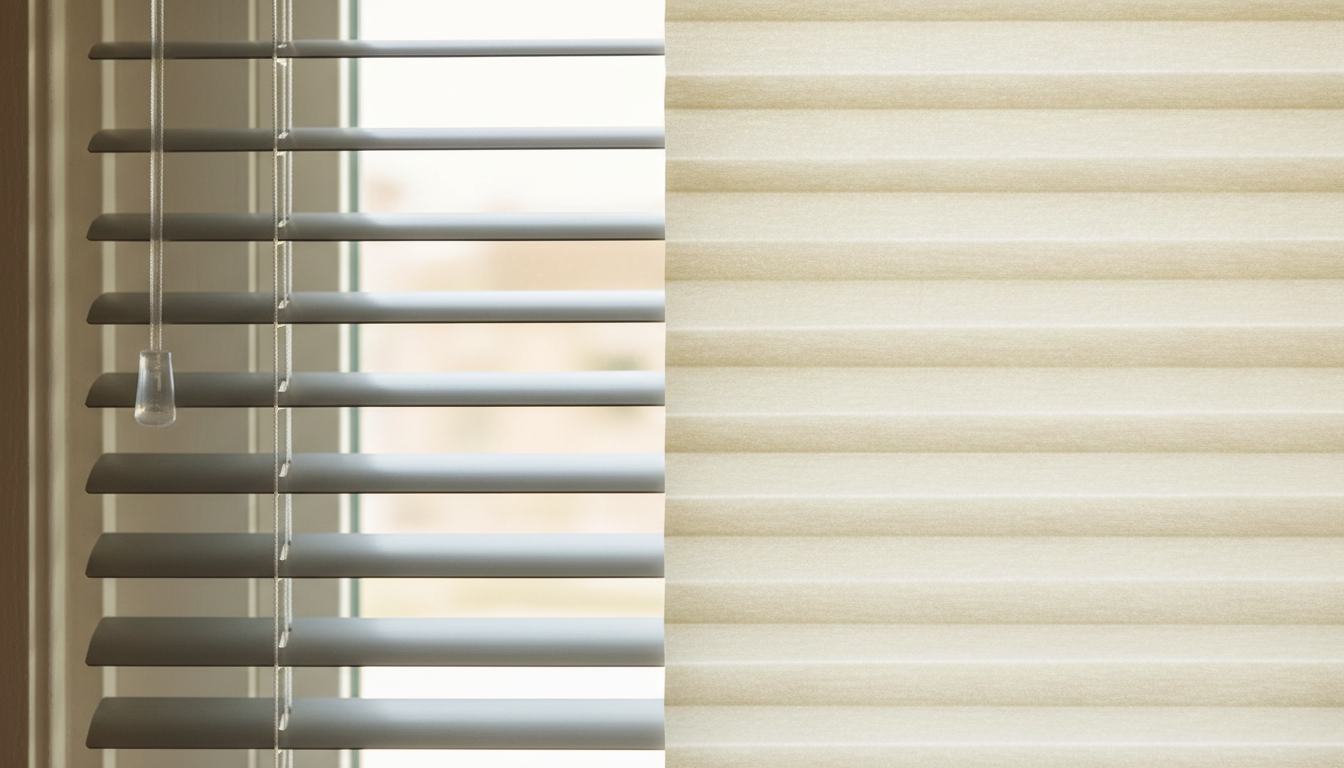
Mini blinds are window coverings made of horizontal slats that adjust with a cord or wand, giving you control over light and privacy. The slats are typically about one inch wide or less, which is what makes them "mini" compared to standard blinds.
Typically crafted from durable aluminum, vinyl, or wood, mini blinds feature a simple, sleek design. They're budget-friendly and fit into pretty much any room style, from modern to traditional. The main appeal here is affordability and straightforward functionality.
These blinds work by tilting the slats to let in just the right amount of light. Want full sunshine? Tilt them open. Need privacy? Angle them closed. You can also raise them completely to get an unobstructed view. Mini blinds are great for dispersing light throughout a room, giving you the ability to deflect glare while keeping some natural light in the room.
What Are Cellular Shades?
Cellular shades, also known as honeycomb shades, are window treatments designed with a unique structure that resembles a honeycomb. When you look at them from the side, you'll see these neat little pockets that trap air.
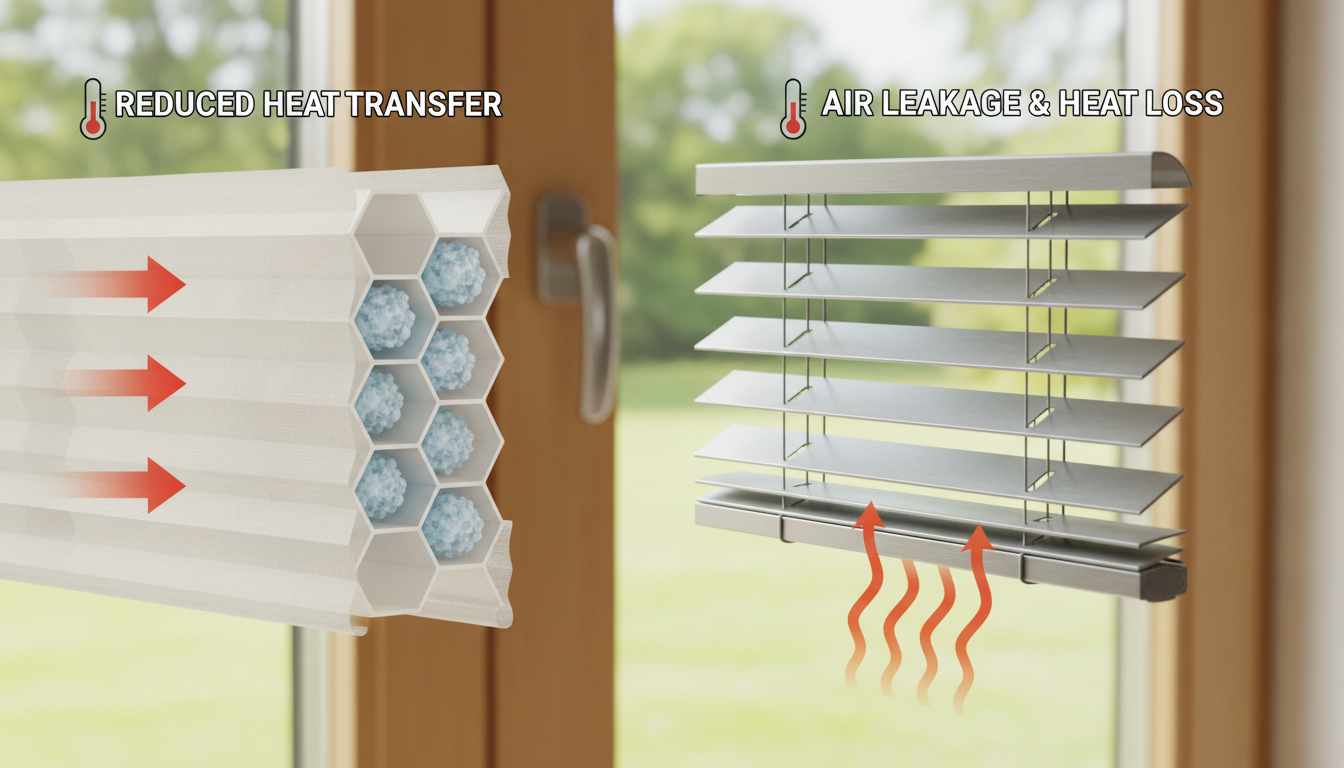
Insulated cellular shades are made of pleated materials designed to fold up accordion-like, usually at the top of the window. Insulated shades contain one or more air layers in a honeycomb cross-section. This isn't just for looks—those air pockets create a barrier that helps regulate your home's temperature.
You can get cellular shades in different cell sizes and opacity levels. Single-cell shades have one layer of honeycomb pockets, while double-cell shades have two layers for extra insulation. They come in light-filtering options that let soft light through or blackout versions that block nearly everything. If you're interested in upgrading your window treatments, check out our collection of cellular shades for various styles and options.
Light Control and Privacy
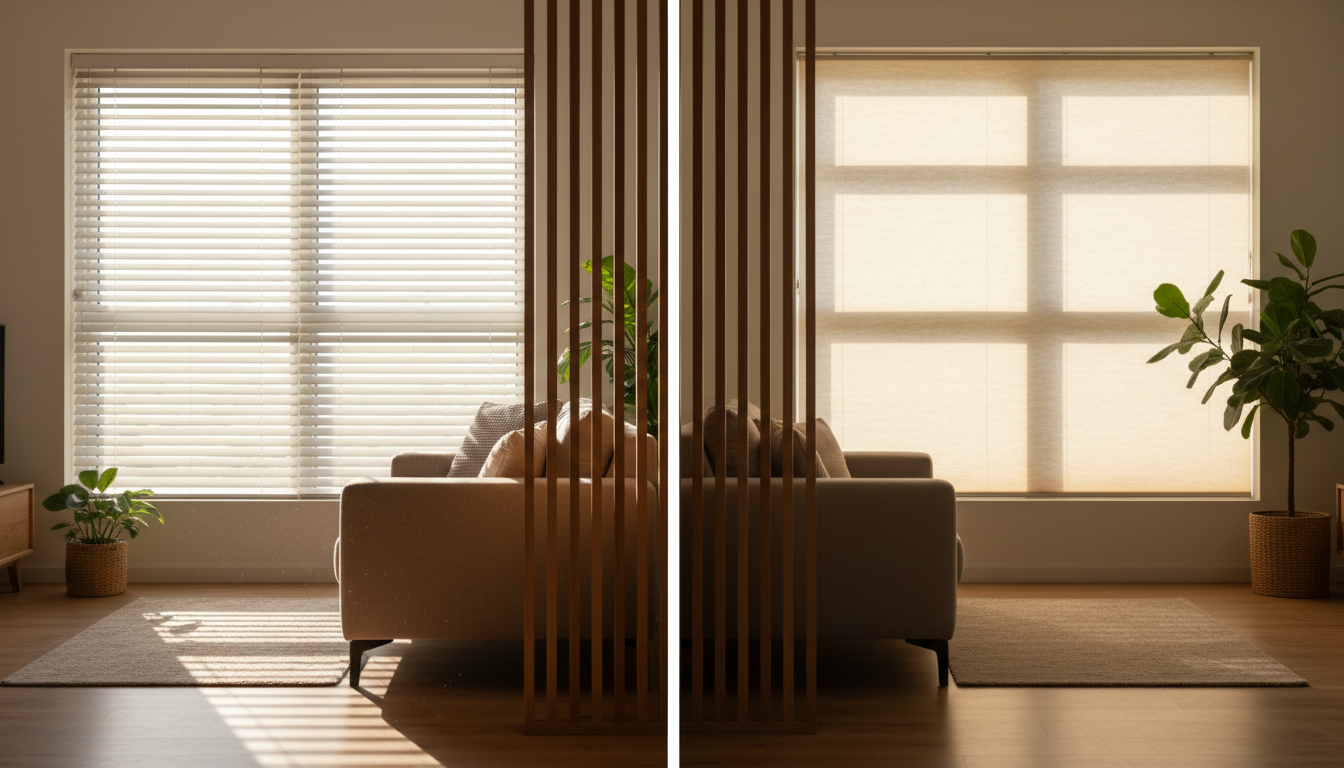
Mini blinds let you adjust brightness precisely by tilting their slats, providing flexible light control and clear visibility. In contrast, cellular shades offer soft, diffused light with customizable blackout or filtering options for varied privacy needs.
With mini blinds, you get hands-on control. Tilt the slats at different angles throughout the day to manage glare from your computer screen or TV. This makes them perfect for home offices or living rooms where you need to fine-tune the lighting situation.
Cellular shades take a different approach. Instead of adjustable slats, you choose your light level when you buy them. Light-filtering cellular shades create a soft, even glow that's great for living spaces. Blackout cellular shades work wonders in bedrooms or nurseries where you need complete darkness. Some cellular shades also come with top-down/bottom-up features, letting you lower from the top or raise from the bottom for privacy while still getting natural light.
Energy Efficiency and Insulation
Here's where cellular shades really pull ahead. Mini blinds deliver basic coverage with minimal insulation, while cellular shades feature a honeycomb design that traps air, significantly boosting energy efficiency and lowering heating and cooling costs.
In heating seasons, tightly installed cellular shades can reduce heat loss through windows by 40% or more, which equates to about 10% heating energy savings. That's real money back in your pocket every month. Mini blinds hold little-to-no insulating properties, which means you won't see a difference in your utility bills year-round.
The honeycomb structure in cellular shades acts like a blanket for your windows. In summer, they block heat from coming in. In winter, they trap warm air and prevent it from escaping. This works because the air pockets create a buffer zone between the cold (or hot) glass and your room. Mini blinds just don't have this capability—the slats and gaps let air flow right through.
Cost and Value Comparison
Mini blinds are generally more budget-friendly with standard features, while cellular shades may cost more but offer higher customization, improved insulation, and energy savings that can justify the extra expense.
Let's talk numbers. Mini blinds are one of the cheapest window treatment options out there. You can outfit a whole room without breaking the bank, which is why they're popular in rentals and new construction. They're a solid choice when you're on a tight budget or need to cover a lot of windows quickly.
Cellular shades require more upfront investment, but cellular insulating shades are low maintenance and virtually pay for themselves due to their energy-efficient capabilities. When you factor in the money you'll save on heating and cooling bills, cellular shades often come out ahead in the long run. Think of them as an investment in your home's comfort and efficiency.
Cost Breakdown:
| Factor | Mini Blinds | Cellular Shades |
|---|---|---|
| Initial Cost | Low to moderate | Moderate to high |
| Energy Savings | Minimal | Significant |
| Long-term Value | Basic | High (pays for itself) |
| Customization | Limited | Extensive |
Maintenance and Cleaning
The big problem with mini blinds is they are difficult to repair and require a considerable amount of maintenance. Keeping them dust-free can seem like an ongoing battle. Anyone who's owned mini blinds knows the struggle of dusting each individual slat. Dust loves to settle on those horizontal surfaces, and it shows.
Mini blinds offer precise light control through tilting slats, making brightness adjustments easy. They are also simple to clean with a soft cloth, though dust may accumulate between the slats over time. You can wipe them down or use a vacuum attachment, but it's still a time-consuming task.
Cellular shades feature an easy open/close mechanism and often include motorized options for enhanced safety. Their fabric design provides a smooth look, but they may require occasional vacuuming or spot cleaning. The good news? They don't show dust as much as mini blinds, and a quick vacuum with a brush attachment usually does the trick.
Style and Aesthetics
Mini blinds present a structured, utilitarian look using materials like aluminum or vinyl. Meanwhile, cellular shades offer a modern, elegant style with a wide range of colors and textures that suit diverse interior decor.
Mini blinds have that classic, no-nonsense vibe. They work well in contemporary spaces and can look really sharp when they're clean and properly aligned. Wood mini blinds add warmth to traditional rooms, while aluminum or vinyl versions suit modern aesthetics. The downside? Some people find them a bit dated or institutional-looking.
Cellular shades bring a softer, more finished look to your windows. The pleated fabric adds texture and depth without being too busy. They come in tons of colors and patterns, making it easy to match your existing decor. When raised, they stack neatly at the top, giving you a clean view without a bunch of slats hanging around.
Durability and Lifespan
Mini blinds can be hit or miss when it comes to durability. Aluminum slats bend easily if you're not careful, and once they're bent, they're pretty much toast. Vinyl can become brittle over time, especially in sunny windows. Wood mini blinds hold up better but can warp in humid environments like bathrooms.
Cellular shades are made from fabric, which might sound less durable, but quality cellular shades are built to last. The fabric is typically treated to resist fading and wear. Cellular insulating shades are highly insulating, durable, and easy to care for and to install. As long as you're not yanking on them or exposing them to excessive moisture, they'll serve you well for years.
The lift mechanisms matter too. Cheap mini blinds often have cords that tangle or break. Higher-quality cellular shades use better hardware that stands up to daily use. Cordless and motorized options eliminate the cord issue altogether—speaking of which, if you're curious about automation, check out our honest review of motorized roller shades.
Child and Pet Safety
Mini blinds often include cords or wands that could pose risks to children. In contrast, cellular shades typically offer motorized options, enhancing safety for households with young kids or pets.
Window treatment cords have been a safety concern for years. Mini blinds usually come with pull cords and tilt wands, and those dangling cords can be dangerous for curious kids and pets. You can add cord cleats to wrap them up, but that's an extra step you have to remember.
Cellular shades are available in cordless and motorized versions that eliminate this hazard completely. Cordless shades open and close with a gentle push or pull on the bottom rail—no cords in sight. Motorized versions are even better if you have multiple windows or hard-to-reach spots. Safety and convenience in one package.
Installation and Operation
Mini blinds are simple to install, involving measuring, marking, drilling, and attaching brackets. Beginners will appreciate the straightforward process that requires minimal tools. Most mini blinds come with everything you need, and you can have them up in under an hour per window.
Cellular shades are just as DIY-friendly. The mounting process is similar—measure, mark, drill, clip. The main difference is that cellular shades might be slightly heavier depending on the size and whether they're single or double cell. Both options work for inside or outside mount installations.
Operation-wise, mini blinds use cords or wands to tilt and raise/lower the slats. It's intuitive and you can adjust them with one hand. Cellular shades come in corded, cordless, and motorized options. Cordless versions work with a simple push-pull motion, while motorized shades can be controlled via remote, app, or even voice commands if you've got a smart home setup.
Best Rooms for Each Option
Mini Blinds Work Best In:
- Home offices where you need precise light control for screen glare
- Kitchens where you want easy-to-clean surfaces
- Utility rooms or garages where function beats form
- Rooms where budget is the main concern
Cellular Shades Excel In:
- Bedrooms where temperature control and darkness matter
- Living rooms where you want a polished, elegant look
- Rooms with extreme sun exposure that heat up quickly
- Any space where energy efficiency is a priority
- Nurseries and kids' rooms for safety and light control
You don't have to pick just one for your whole house. Many homeowners mix and match based on each room's needs. Use mini blinds in the kitchen and garage, then go with cellular shades in the bedrooms and main living areas. That way you get the best of both worlds.
Making Your Decision
So how do you choose? Start by asking yourself a few questions:
-
What's your budget? If money's tight, mini blinds get the job done affordably. If you can invest a bit more upfront, cellular shades pay dividends over time.
-
What's your climate like? Live somewhere with harsh winters or blazing summers? Cellular shades will make a real difference in your comfort and energy bills.
-
How important is light control? Need to tweak the angle throughout the day? Mini blinds give you that precision. Want soft, even light? Cellular shades diffuse beautifully.
-
Do you have kids or pets? Safety matters. Cordless or motorized cellular shades eliminate the cord hazard.
-
What's your style preference? Want something clean and modern? Both work. Prefer a softer, more elegant look? Cellular shades have the edge.
Here's the bottom line: Mini blinds are practical, affordable, and give you hands-on light control. They're a smart choice for budget-conscious homeowners who want basic functionality. Cellular shades cost more initially but offer superior energy efficiency, a more refined look, and better insulation. They're ideal if you're thinking long-term value and comfort.
At Aosky, we understand that every home is different. That's why we offer quality window treatment options that fit various needs and budgets. Whether you go with mini blinds or cellular shades, make sure you're choosing based on what matters most to you—not just what's cheapest or trendiest.
Frequently Asked Questions
Are cellular shades really worth the extra money compared to mini blinds?
Yes, especially if energy efficiency matters to you. Cellular shades can reduce heat loss by up to 40% and typically pay for themselves within a couple years through lower utility bills. If you live in an area with temperature extremes, the investment makes even more sense. Mini blinds are fine if you just need basic light control on a budget.
Can mini blinds block out light as well as cellular shades?
Not really. Mini blinds have gaps between the slats and holes where the lift cords run through, so light will always leak through even when they're closed. Cellular shades, especially blackout versions, do a much better job of blocking light completely. If room darkening is important—like in a bedroom—cellular shades are the better pick.
Which window treatment is easier to keep clean: mini blinds or cellular shades?
Both have their challenges. Mini blinds need regular dusting of each individual slat, which can be tedious but straightforward with a cloth or duster. Cellular shades collect less visible dust but require occasional vacuuming with a brush attachment. Neither is particularly difficult, but mini blinds demand more frequent attention to look their best.
Do cellular shades work in humid rooms like bathrooms?
They can, but you need to be careful about material selection. Moisture can be an issue for fabric-based window treatments. Some cellular shades are made with moisture-resistant materials specifically for bathrooms and kitchens. Mini blinds, especially faux wood or aluminum versions, handle humidity better. Check the manufacturer's recommendations before installing in high-moisture areas.
Can I install motorized options for both mini blinds and cellular shades?
Motorized options are much more common for cellular shades than mini blinds. While you can find motorized blind systems, they're typically more expensive and less widely available. Cellular shades pair naturally with motorization because of their smooth up-and-down operation. Motorized cellular shades offer convenience, safety, and can even be programmed to open and close based on temperature or time of day for maximum energy efficiency.
Share