

Roller Shades vs Roman Shades: Key Differences Explained
Picking the right window shades can totally change the look and feel of your space. We get it—walking into a room with perfectly styled windows just hits different. But when you're standing in front of dozens of options at the store (or scrolling through endless choices online), the decision can feel overwhelming. Two of the most popular choices you'll come across are roller shades and roman shades. While they might seem similar at first glance, these window treatments are actually quite different in how they look, work, and fit into your daily life.
Both roller and roman shades have their fans, and for good reason. They each bring something unique to the table when it comes to privacy, light control, and style. Whether you're going for a sleek, modern vibe or want something with a bit more elegance, understanding what sets these two apart will help you make the right call for your home. We're here at Aosky to walk you through everything you need to know about these window treatments so you can pick what works best for your space and lifestyle.
What Are Roller Shades?
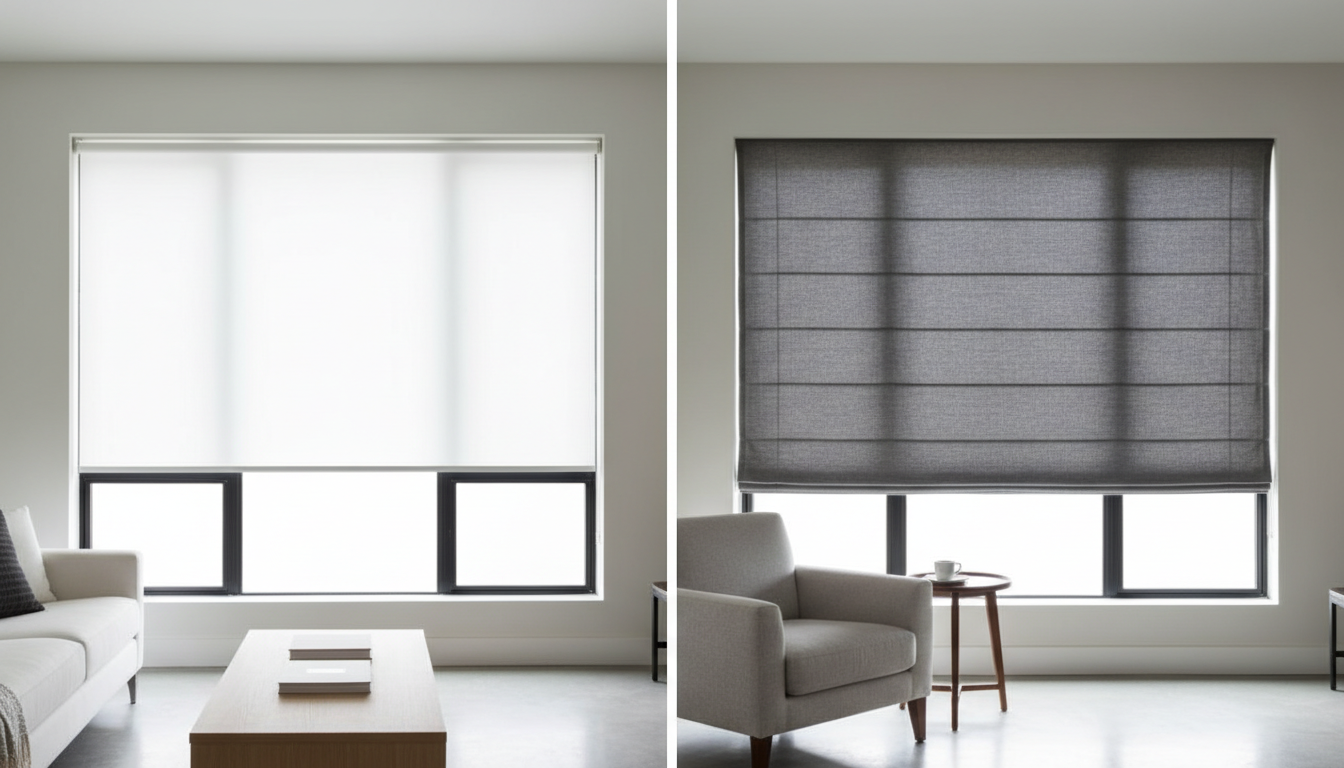
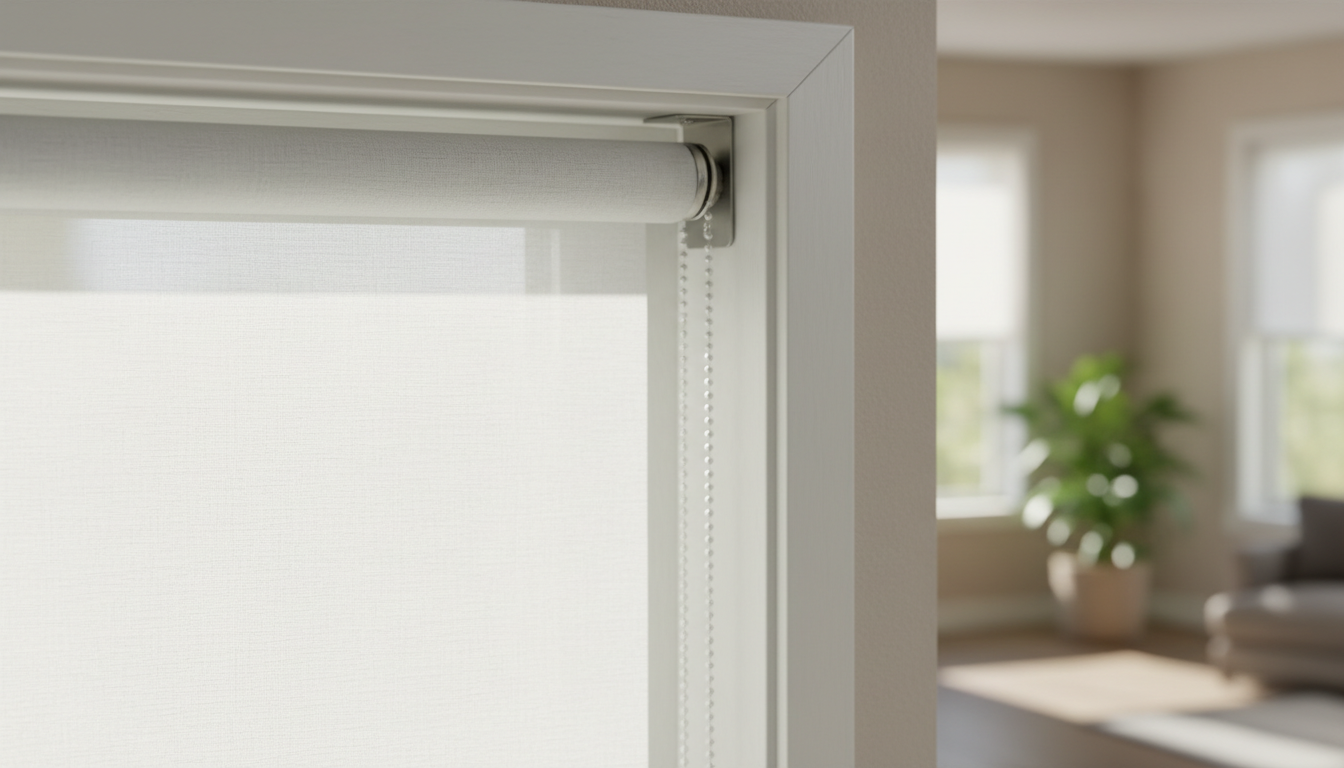
Roller shades are pretty straightforward—and that's exactly why people love them. They're made from a single, flat piece of fabric (or sometimes vinyl) that rolls up and down around a tube mechanism mounted at the top of your window. When you want to let light in, you just pull them up, and the fabric neatly rolls onto that tube. When you want privacy or to block out the sun, you pull them down to cover the window.
The beauty of roller shades is in their simplicity. They have this clean, minimalist look that works really well in modern homes or anywhere you want the windows to blend into the background rather than be the star of the show. You can find them in tons of different fabrics—from sheer materials that gently filter light to blackout options that block everything out. Some are even made with solar materials that cut down on glare and UV rays without totally blocking your view outside. At Aosky, we offer a wide range of roller shade options that can fit any room and any style.
Roller shades operate using a simple up-down motion. The most common control options include a continuous loop chain (you pull one side to raise, the other to lower), a spring mechanism, or motorized controls. If you're curious about whether motorized roller shades are worth it, they can be a game-changer for hard-to-reach windows or if you just want that extra convenience.
What Are Roman Shades?
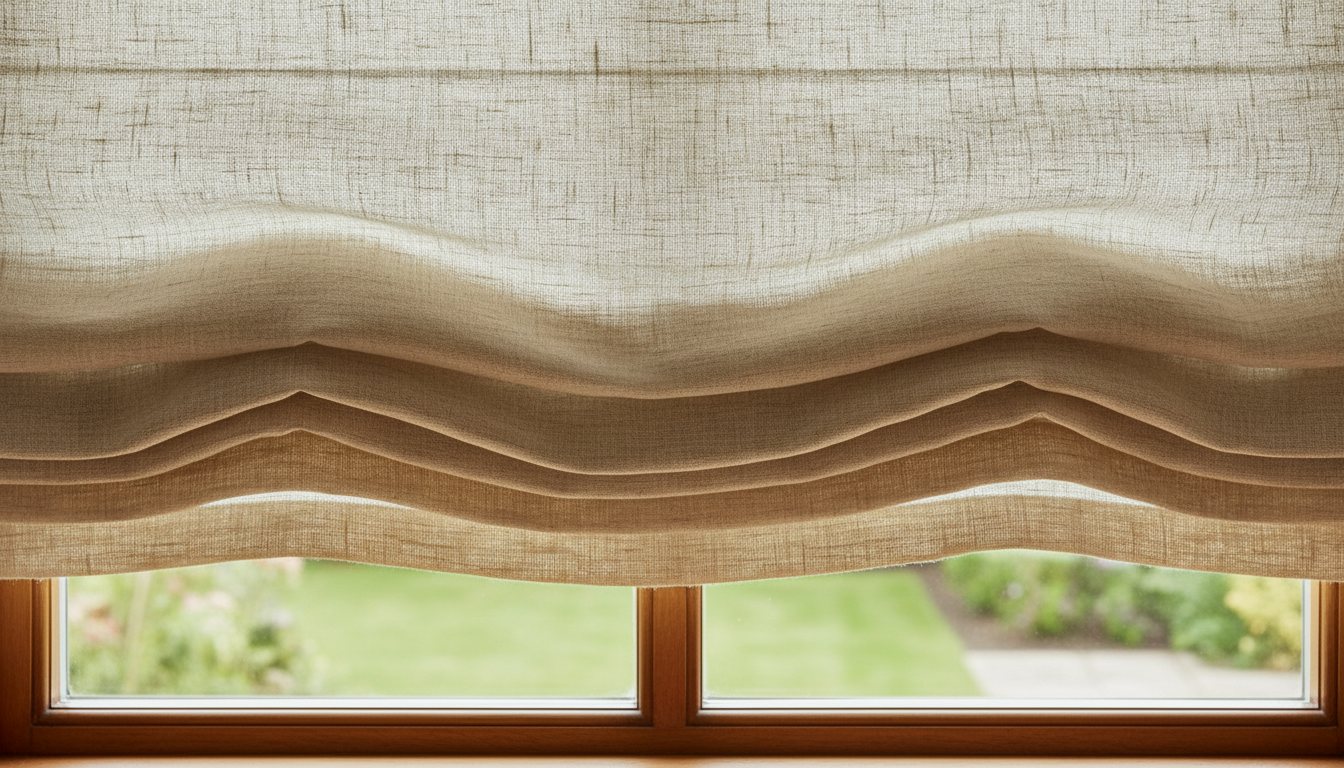
Roman shades take a different approach. Instead of rolling up like their roller cousins, roman shades fold into neat horizontal pleats when you raise them. They're made from soft fabrics like linen, cotton, or silk, and when lowered, they hang in smooth, elegant lines. When raised, the fabric gathers into those signature cascading folds that give them a more tailored, sophisticated look.
This type of shade has been around for ages (literally—they got their start in ancient Rome), but they've evolved into a stylish staple in modern homes. You'll find roman shades in all kinds of styles, from flat romans that have a sleek, contemporary feel to hobbled or relaxed styles that create more drama with their soft, rounded folds. The variety in fold styles—like waterfall, classic, and pleated—means you can really customize the look to match your decor.
Roman shades can be operated with a cord system, a cordless push-and-pull motion, or motorized controls. They're often chosen for spaces where you want to add a bit of luxury and warmth, like dining rooms, living rooms, or master bedrooms. The fabric stays visible even when the shades are raised, which means they continue to add texture and color to your room throughout the day.
Design and Aesthetic Differences
One of the biggest differences between these two shades comes down to how they look. Roller shades are all about that sleek, streamlined aesthetic. They feature a flat panel of material that creates a minimalist vibe perfect for contemporary or modern spaces. When raised, they virtually disappear into the slim hardware at the top of your window, giving you an unobstructed view. Because of their simple design, roller shades complement most room furnishings and can either blend into the background or make a statement if you choose bold colors or patterns.
Roman shades, on the other hand, deliver elegance and sophistication. Their soft folds of fabric create an elevated appearance that adds refinement to any room. Even when fully raised, roman shades maintain some fabric coverage over the window—those folds stack up at the top, continuing to filter light and add visual interest. This makes them ideal if drapery isn't possible or if you want something more tailored than curtains but with more personality than basic blinds.
Your personal style plays a huge role here. If you're into clean lines and a modern window treatment style, roller shades might be your better bet. But if you're going for a classic window treatment look with a touch of warmth and texture, roman shades are where it's at. The good news? Both come in enough fabric options, colors, and patterns that you can find something that works with your existing decor.
Light Control and Privacy
Both roller and roman shades can handle your light control and privacy needs, but they do it a bit differently. Roller shades offer pretty precise control. When fully raised, they can uncover the entire window, letting in maximum natural light. When lowered, depending on the fabric you choose, they can filter light gently (with sheer or light-filtering fabrics) or block it out completely (with blackout materials). This makes them super versatile for different rooms—you might want light-filtering roller shades in your kitchen or living room and blackout versions in bedrooms.
Roman shades provide excellent light filtering thanks to their layered, folded fabric construction. However, they always maintain some fabric coverage over the window, even when fully raised. Those stacked folds at the top continue to filter incoming light, which can be a plus if you like a softer, diffused light throughout the day. For privacy, both types work well when fully lowered. You can add linings to roman shades (like blackout or privacy liners) to boost their light-blocking and privacy capabilities even more.
One thing to keep in mind: roller shades can be pulled all the way up into their hardware, uncovering the entire window area and giving you complete control over incoming light. Roman shades offer limited flexibility in fine-tuning light levels since they're typically either fully raised, partially raised, or fully lowered.
Ease of Use and Functionality
When it comes to everyday use, roller shades win for simplicity. Their tube mechanism allows them to roll up and down smoothly with minimal effort. Whether you're using a chain, cord, or motorized system, the operation is straightforward and reliable. This makes roller shades ideal for busy households, rental properties, or anywhere you want fuss-free window treatments. Kids can usually operate them easily (though cordless or motorized options are safer for homes with young children).
Roman shades require a bit more effort to operate. You're pulling cords or chains to lift the fabric, which creates those stacks of folds. While they're not difficult to use, they do take a touch more muscle, especially in larger sizes or on wide windows. Motors can automate either shade type, but roller shades are still simpler to operate manually. That said, roman shades move very quietly along their cord system—you'll barely hear a whisper when raising or lowering them. Roller shades can sometimes make a "zipping" or "clacking" sound when operated quickly, which might be annoying in bedrooms or quiet spaces.
Both types are available in cordless and motorized options for improved safety and convenience. Cordless is especially recommended for homes with kids and pets since it eliminates the risk of accidents with dangling cords.
Maintenance and Cleaning
Roller shades are way easier to keep clean, which is a big deal if you're juggling a busy schedule or have kids and pets running around. Vinyl roller shades can be wiped clean with a damp cloth and mild dish soap—super simple. Fabric roller shades might need spot cleaning, but since they're just a flat panel, there aren't a bunch of folds and crevices where dust can hide. This makes them perfect for kitchens, bathrooms, kids' rooms, or any high-traffic area.
Roman shades require more careful cleaning and upkeep. Dust easily gets trapped between those fabric layers and in all the folds. You'll need to vacuum them regularly with an upholstery attachment or spot-clean them when they get dirty. Because of the materials used to create roman shades, it's not ideal to use harsh cleaning products—they can mess with the fabric's integrity. Some styles also require "dressing" the pleats more often to maintain their look and keep those folds hanging evenly.
For households with allergies or anyone who just wants low-maintenance window treatments, roller shades generally make more sense. But if you don't mind a bit of extra care to maintain that elegant look, roman shades are totally manageable with regular attention.
Energy Efficiency and Insulation
Here's where roman shades really shine. Their layered, folded fabric construction creates a honeycomb-like structure that helps trap heat and cool air. This provides solid insulation, especially for large windows or in rooms where temperature control matters. When properly fitted (especially as an inside mount), roman shades can help reduce drafts by sealing the window opening, keeping your space comfortable year-round and potentially lowering your energy bills.
Roller shades, especially those made from thin or sheer materials, offer limited insulation properties. They're not as effective at blocking heat or cold as shades specifically designed for insulation. That said, when fully lowered, some roller shades can form a small air pocket that provides a bit of insulation. But overall, if energy efficiency is a top priority—like if you live in a colder climate or have older, leaky windows—roman shades (particularly those with blackout lining) will do a better job keeping the cold air out and the warm air in.
Cost Comparison
Let's talk budget. Roller shades are generally more affordable than roman shades. On average, you're looking at a more budget-friendly option that still looks great and does the job. Basic roller shades can be super affordable, making them perfect for anyone decorating on a tight budget or outfitting a whole house worth of windows without breaking the bank. Even mid-range roller shades with decent fabrics and good mechanisms won't set you back too much.
Roman shades will typically cost more—often two to three times the price of basic roller shades. This higher cost comes from the additional fabric needed to create those folds, plus the more complex construction. Custom roman shades can get particularly pricey, especially if you're choosing high-end materials like silk or adding features like blackout liners. But the good news is that pricing for both styles varies widely. High-end roller shades with custom fabrics, blackout linings, and top-of-the-line mechanisms can rival the cost of roman shades.
If you're working with a limited budget, roller shades are the practical choice. If you have more room in your budget and want to invest in that premium, elegant look, roman shades are worth it for the sophistication they bring to your space.
Durability and Lifespan
Both types can last for years with proper care, but roller shades often edge out roman shades in durability. Roller shades, especially those made from vinyl or synthetic fabrics, resist buildup and wear better due to their simpler construction. There are fewer moving parts and less fabric to deal with, which means less that can go wrong over time. Their straightforward design makes them a long-lasting option that can handle daily use without much fuss.
Roman shades, while durable, may require more effort to keep in good shape, particularly in high-traffic areas or households with pets and children. The cords, folds, and fabric layers can wear down over time, and if not maintained properly, the pleats might not hang as evenly. However, with regular care and gentle use, roman shades can also last many years and continue looking beautiful.
Which One Should You Choose?
So, how do you decide? It really comes down to what matters most to you. Here's a quick rundown:
Choose roller shades if:
- You want a sleek, modern, minimalist look
- Easy maintenance and cleaning are priorities
- You're working with a tighter budget
- You need window treatments that are super easy to operate
- You want maximum light control (fully open or fully closed)
- You're outfitting a rental property or a whole house
Choose roman shades if:
- You're going for an elegant, sophisticated aesthetic
- Energy efficiency and insulation are big concerns
- You have the budget for a premium window treatment
- You want to add warmth and texture to your space
- You don't mind spending a bit more time on maintenance
- You're looking for drama and a statement piece for formal rooms
Remember, there's no wrong choice here—both are solid options that can seriously upgrade your space. Think about the room you're decorating, your lifestyle, and what you value most in a window treatment. And if you're still on the fence, you can always mix and match—maybe roller shades for the bedrooms and kitchen, and roman shades for the dining room and living room.
FAQs
Can both roller and roman shades be motorized for convenience?
Yes! Both roller shades and roman shades can be motorized, which is awesome for hard-to-reach windows or if you just want that modern convenience. Motorization lets you control your shades with a remote, smartphone app, or even voice commands when integrated with smart home systems. While it bumps up the initial cost, the convenience factor is huge.
Which shades are better for bedrooms—roller or roman?
Both work great in bedrooms, but it depends on what you're after. For maximum darkness and easy operation, go with blackout roller shades. They're simple to use and can block out all light when you need to sleep. Roman shades with blackout lining also work well and bring that cozy, elegant vibe to your bedroom while still providing solid light control. Just know that roman shades maintain some fabric at the top even when raised, so they filter a bit of light.
Are roller shades cheaper than roman shades?
Generally, yes. Roller shades are typically more affordable because they use less material and have a simpler construction. You can find budget-friendly roller shades that still look great and function well. Roman shades cost more due to the extra fabric needed for those folds and the more intricate design. But remember, high-end roller shades can get pricey too, so it really depends on the specific products you're comparing.
Which window shades are easier to clean and maintain?
Roller shades win this one hands down. Their flat surface makes them super easy to clean—just wipe them down with a damp cloth. Vinyl options are especially low-maintenance. Roman shades require more care since dust gets trapped in the folds and fabric layers. You'll need to vacuum them regularly or spot-clean, and some styles need their pleats "dressed" to keep them looking sharp.
Do roman shades actually save on energy bills?
They can! Roman shades provide better insulation than roller shades thanks to their layered fabric construction. When properly installed, they help regulate heat transfer, reduce drafts, and control the impact of direct sunlight. This can help maintain comfortable room temperatures and potentially lower your heating and cooling costs, especially if you have large windows or live in an area with extreme temperatures.
Share