

What Is the Purpose of a Pergola? 10 Reasons to Choose One
We've all been there—sitting in the backyard on a hot summer day, wishing we had a shaded spot to relax without being stuck indoors. That's where pergolas come in. These open-air structures have been around for centuries, and they're making a huge comeback in modern outdoor living. If you're wondering what a pergola actually does and why so many people are adding them to their homes, you're in the right place. We're breaking down the real purpose of pergolas and sharing 10 solid reasons why they might be the perfect addition to your outdoor space. At Aosky, we know a thing or two about creating comfortable, stylish outdoor environments.
They Create Shade and Sun Protection
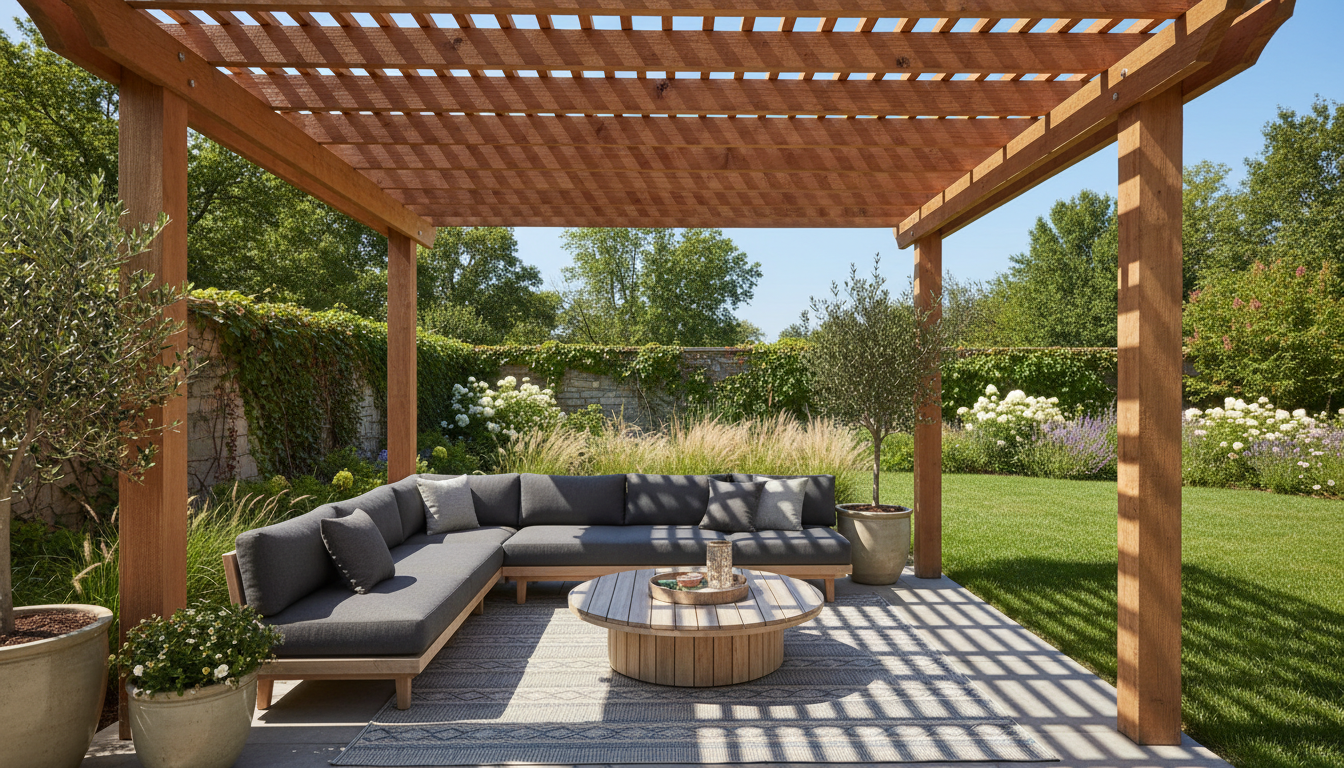
The main purpose of a pergola is to give you a break from direct sunlight while still letting you enjoy the outdoors. Unlike a fully covered patio, pergolas have an open or semi-open roof made of beams and rafters that filter sunlight. This design creates partial shade—enough to keep you cool but still lets in natural light and fresh air. You can spend hours outside without worrying about sunburn or overheating.
If you want even more shade, you've got options. You can add a retractable canopy, fabric covers, or even grow climbing plants like wisteria or grapevines over the beams. These additions not only boost sun protection but also give your pergola a lush, natural vibe. Think of it as your personal outdoor retreat where you can read, nap, or just chill without getting hammered by the sun. And if you're looking for other ways to control light in your home, check out our guide on French door shade solutions for smart and stylish ideas.
They Define Your Outdoor Living Space
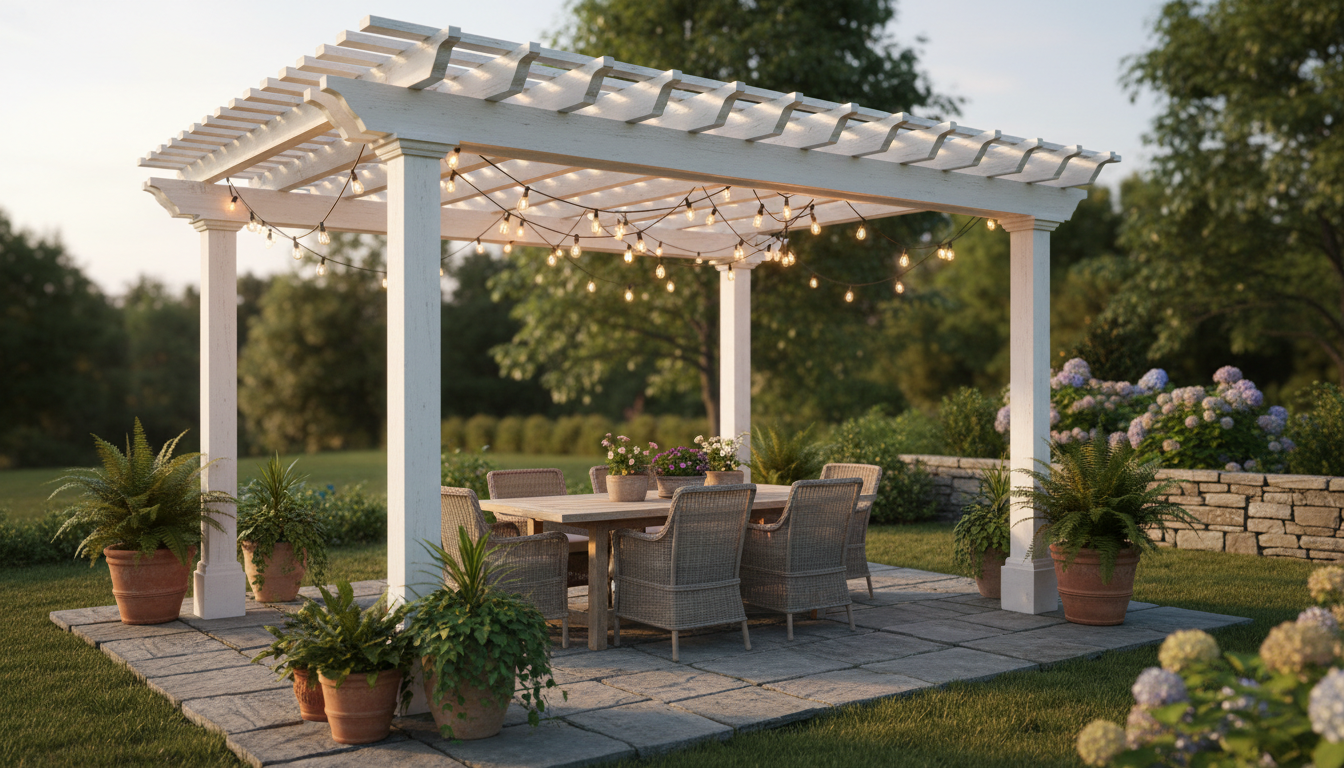
Pergolas are great at carving out specific zones in your backyard. If you've got a big, open yard that feels kind of aimless, a pergola can give it structure and purpose. It creates a designated area for dining, lounging, or entertaining—kind of like adding a room to your house, but outside. This is especially helpful if you don't have a deck or patio already.
By placing a pergola over your outdoor furniture or grill area, you instantly create a focal point that draws people in. It makes your backyard feel more organized and intentional, rather than just a patch of grass with random stuff scattered around. Plus, it helps with traffic flow during parties or gatherings, guiding guests to the main hangout spot. You can even use multiple pergolas to create different zones—one for eating, another for relaxing by the fire pit. The possibilities are endless, and it all starts with defining that space.
They Add Visual Interest and Curb Appeal
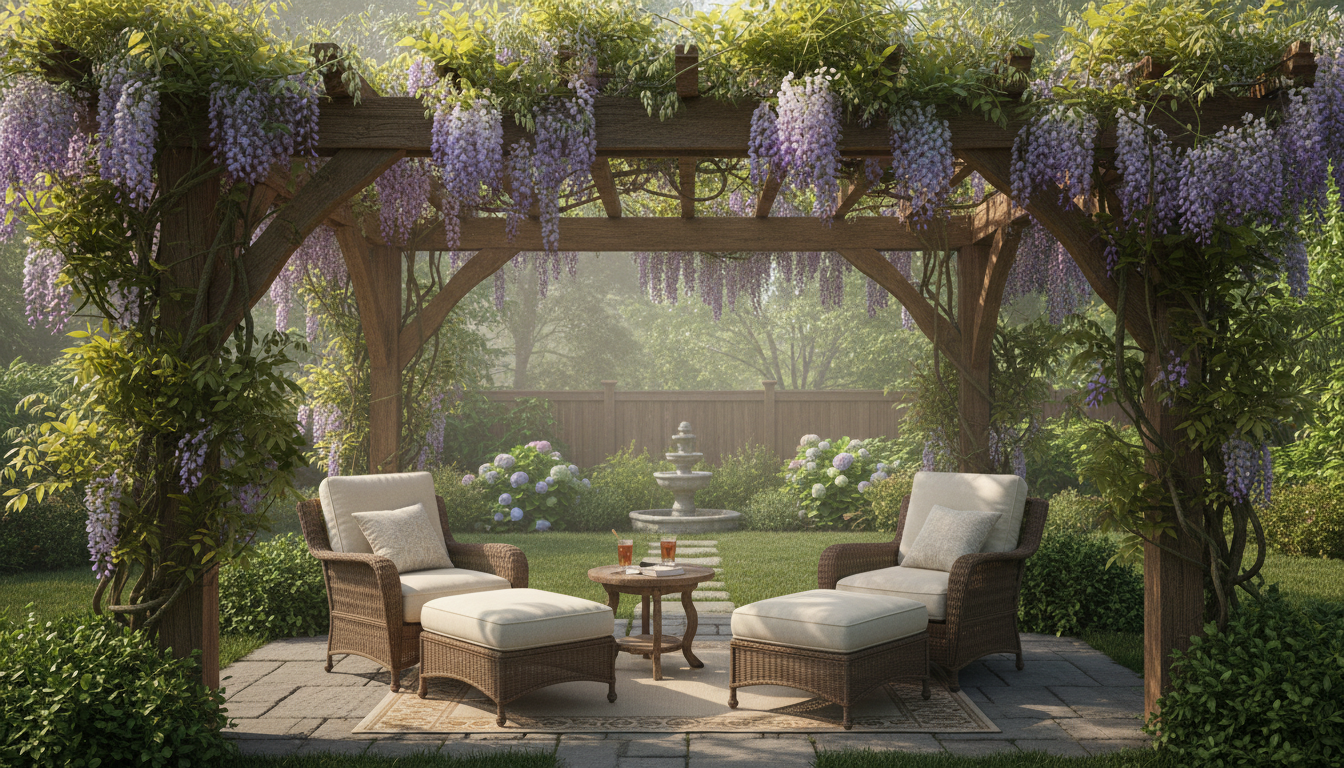
Let's be honest—a pergola just looks good. It adds height, depth, and architectural interest to an otherwise flat backyard. Whether it's a modern aluminum design or a classic wooden structure, a pergola becomes an eye-catching centerpiece that upgrades your whole outdoor aesthetic. It's the kind of feature that makes neighbors stop and say, "Wow, that looks amazing."
Beyond just looking pretty, pergolas can also boost your home's curb appeal and property value. Real estate experts say that attractive landscaping can add as much as 20% to your home's value, and a well-designed pergola definitely falls into that category. It shows potential buyers that you've invested in outdoor living, which is a huge selling point these days. So not only do you get to enjoy it while you live there, but it can also pay off when it's time to sell. And with customizable options—different materials, colors, styles—you can match it perfectly to your home's look and feel.
They Provide Privacy and Seclusion
If you live close to neighbors or on a busy street, privacy can be hard to come by. Pergolas help with that. While they're open by design, you can easily add privacy features like curtains, screens, lattice panels, or trellises with climbing plants. These additions create a more secluded, intimate space where you can relax without feeling like you're on display.
Motorized curtains or retractable screens are especially convenient—you can open them up when you want airflow and close them when you need privacy or want to block the wind. Some people even grow thick vines or install bamboo shades to create a natural privacy barrier. This flexibility makes pergolas perfect for urban settings where homes are packed close together. You get the best of both worlds: an airy, open-air structure when you want it, and a private oasis when you need it. It's all about control and customization.
They're Perfect for Entertaining Guests
Pergolas make outdoor entertaining so much easier and more enjoyable. They create a stylish, sheltered space where you can host dinners, BBQs, or casual get-togethers. Picture this: string lights hanging from the beams, comfortable furniture underneath, maybe a ceiling fan or outdoor speakers for ambiance. It's the kind of setup that makes people want to linger and hang out.
Because pergolas offer some protection from the elements, you don't have to cancel plans if it's a little too sunny or even if there's a light drizzle (especially if you've added a canopy or retractable roof). Your guests stay comfortable, and you get to be the ultimate host. Plus, pergolas help keep your entertaining space separate from the rest of your yard, so things feel more organized and intentional. Whether it's a weekend brunch or a summer evening cookout, a pergola sets the stage for memorable gatherings.
They Support Climbing Plants and Greenery
One of the coolest things about pergolas is how well they work with plants. The open roof structure is perfect for supporting climbing vines, flowers, and greenery. Popular choices include roses, wisteria, jasmine, grapevines, and honeysuckle. As these plants grow and spread across the beams, they create a natural canopy that adds even more shade and beauty.
Besides looking gorgeous, these plants also improve air quality, provide habitat for birds and butterflies, and create a calming, natural ambiance. There's something really peaceful about sitting under a pergola covered in blooming vines—it feels like you're in a secret garden. Plus, growing plants on your pergola can help soften the structure and blend it into your landscape. It's a win-win: you get more shade, better aesthetics, and a greener, more eco-friendly backyard. Just make sure to pick plants that suit your climate and maintenance preferences.
They're Easy to Customize and Maintain
Pergolas are super versatile when it comes to customization. You can build one from wood, vinyl, aluminum, or fiberglass, depending on your budget, style, and climate. Wooden pergolas have that classic, rustic charm, while aluminum or vinyl options offer a sleek, modern look with minimal maintenance. You can also adjust the size, height, rafter spacing, and overall design to fit your exact needs.
Maintenance is another big plus. Modern materials like vinyl and aluminum are low-maintenance—they don't need yearly painting or staining, and they resist rust, rot, and insect damage. A quick wash with soap and water a few times a year is usually all it takes. Even wooden pergolas, if treated properly, can last for decades with just occasional sealing or staining. And because pergolas are often sold as kits, they're relatively easy to install, whether you're doing it yourself or hiring a pro. The whole process is straightforward, and the payoff is huge.
They Increase Your Property Value
We touched on this earlier, but it's worth diving deeper. Adding a pergola is one of the smartest investments you can make for your home. Outdoor living spaces are hugely popular right now, and buyers are willing to pay more for homes that have them. A pergola signals that your property is move-in ready and designed for modern living.
According to industry experts, you can expect an increase in resale value ranging from a few thousand dollars to over $10,000, depending on the pergola's size, materials, and design. That's a solid return on investment, especially since pergolas are relatively affordable compared to other home improvements. Plus, they make your home stand out in listings and showings. When buyers see a beautifully designed pergola in the backyard, they can immediately picture themselves relaxing and entertaining there. It's that emotional connection that often seals the deal.
They Offer Year-Round Usability
A lot of people think pergolas are just for summer, but that's not true. With the right add-ons, you can use your pergola all year long. In the colder months, consider adding outdoor heaters, fire pits, or even enclosing the sides with weatherproof panels. In the summer, ceiling fans and misting systems can keep things cool and comfortable.
Retractable roofs and adjustable louvers give you even more control over your environment. You can open them up on sunny days to let in light and warmth, or close them when it's raining or too hot. Some modern pergolas even come with smart home integration, so you can adjust the roof, lighting, and temperature with your phone or voice commands. This year-round flexibility means you get way more value out of your pergola—it's not just a seasonal accessory, but a true extension of your living space that you can enjoy no matter the weather.
They're Cost-Effective Compared to Other Structures
When you compare pergolas to other outdoor structures like gazebos, pavilions, or sunrooms, they're way more affordable. The average cost of a pergola ranges from about $2,500 to $6,000, while a gazebo can easily run $8,000 or more. And if you're going the DIY route with a pergola kit, you can save even more on labor costs.
This cost-effectiveness doesn't mean you're sacrificing quality or style. Modern pergolas are built to last, and they offer just as much (if not more) functionality than pricier alternatives. Plus, because they're open structures, they often don't require building permits in many areas, which can save you time and hassle. You get a beautiful, functional outdoor feature without breaking the bank. And when you factor in the boost to your property value and quality of life, it's a no-brainer investment. For more ideas on creating comfortable outdoor spaces, browse our collection of cellular shades to keep your indoor spaces just as inviting.
They Create a Relaxing Outdoor Retreat
At the end of the day, the best reason to get a pergola is simple: it gives you a place to unwind and enjoy life. Whether you're sipping your morning coffee, reading a book, stargazing at night, or just taking in the view, a pergola creates a dedicated space for relaxation. It's your personal outdoor sanctuary where you can escape the stress of daily life.
The combination of shade, fresh air, natural light, and customizable features makes pergolas incredibly inviting. Add some comfy lounge chairs, soft cushions, potted plants, and ambient lighting, and you've got yourself a backyard oasis. There's something about sitting under a pergola that just feels peaceful and refreshing. It encourages you to spend more time outside, which is great for your mental and physical health. And let's face it—we all need a little more downtime in our lives. A pergola makes it easy to create that space and actually use it.
FAQs
What's the main purpose of a pergola?
The main purpose of a pergola is to provide partial shade and define outdoor living spaces. It creates a comfortable, stylish area where you can relax, entertain, and enjoy your backyard without being in direct sunlight.
Do pergolas actually provide shade?
Yes, pergolas provide partial shade through their open roof design. You can add canopies, fabric covers, or climbing plants to increase shade coverage if you need more protection from the sun.
Are pergolas worth the investment?
Absolutely. Pergolas are affordable, customizable, and can boost your home's value by thousands of dollars. They also improve your quality of life by creating a functional, beautiful outdoor space you'll actually use.
Can you use a pergola in the winter?
Yes, with the right modifications. Adding heaters, fire pits, retractable roofs, or weatherproof panels can make your pergola comfortable and usable year-round, no matter the season.
How much does a pergola cost?
The cost of a pergola typically ranges from $2,500 to $8,000, depending on size, materials, and customization. DIY kits are more affordable, while custom-built designs with premium materials cost more but offer greater flexibility.
Share