

Best High-End Zebra Blinds That You Can Choose in 2026
Shopping for zebra shades can feel overwhelming with so many options out there. We've spent countless hours testing different styles, fabrics, and configurations to help you skip the guesswork. Zebra shades—also called dual-layer shades—feature alternating bands of sheer and solid fabric that let you fine-tune light and privacy without sacrificing style. They're sleek, modern, and way more versatile than traditional blinds.
High-end zebra blinds take this up a notch with better fabrics, smoother operating systems, and customization that actually fits your windows perfectly. Whether you're covering a standard bedroom window or a massive sliding glass door, the right zebra blind can completely change how a room feels.
We've rounded up 7 standout options that deliver on quality, design, and performance. These aren't just pretty window treatments—they solve real problems like glare, energy loss, and awkward light angles. Let's get into it.
What Makes Zebra Shades "High-End"?
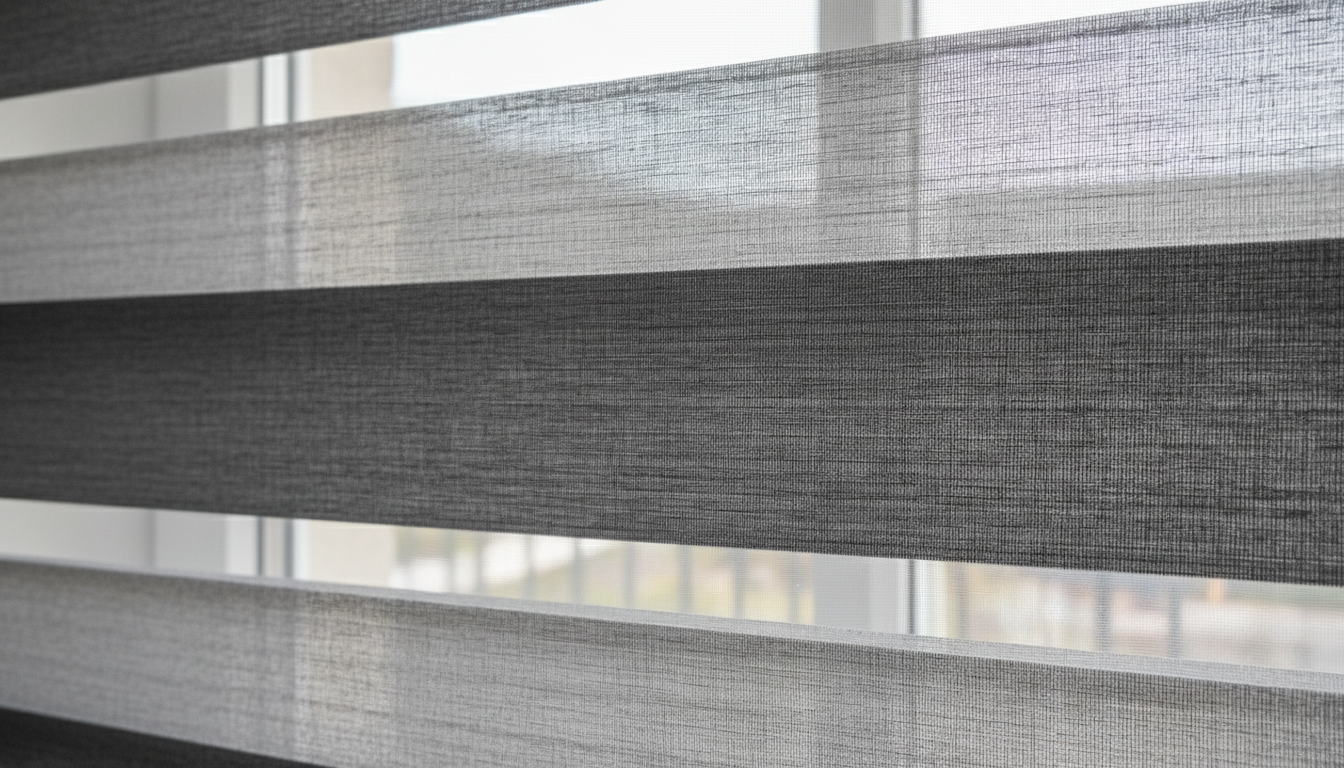
High-end versions separate themselves through material quality and construction. Premium zebra shades feature alternating horizontal bands of sheer and solid fabrics that allow precise light control by aligning or offsetting the opaque bands over the sheer bands. The fabric thickness, weave density, and UV resistance all matter when you're investing more.
Another big difference? Operating systems. Cheaper models can feel clunky or get stuck halfway. High-end zebra blinds come with cordless mechanisms, motorized options, or even smart home integration. Advanced control options include motorization and cordless designs for convenience and safety. You'll also get better hardware—think sturdy mounting brackets, smooth rollers, and valances that actually look finished.
Customization is the third factor. With premium blinds, you're not limited to five beige shades. You can choose custom widths, lengths, fabric patterns, and room-darkening levels. We'll show you which ones stand out in each category.
Ready Made Dual Layer Zebra Shades
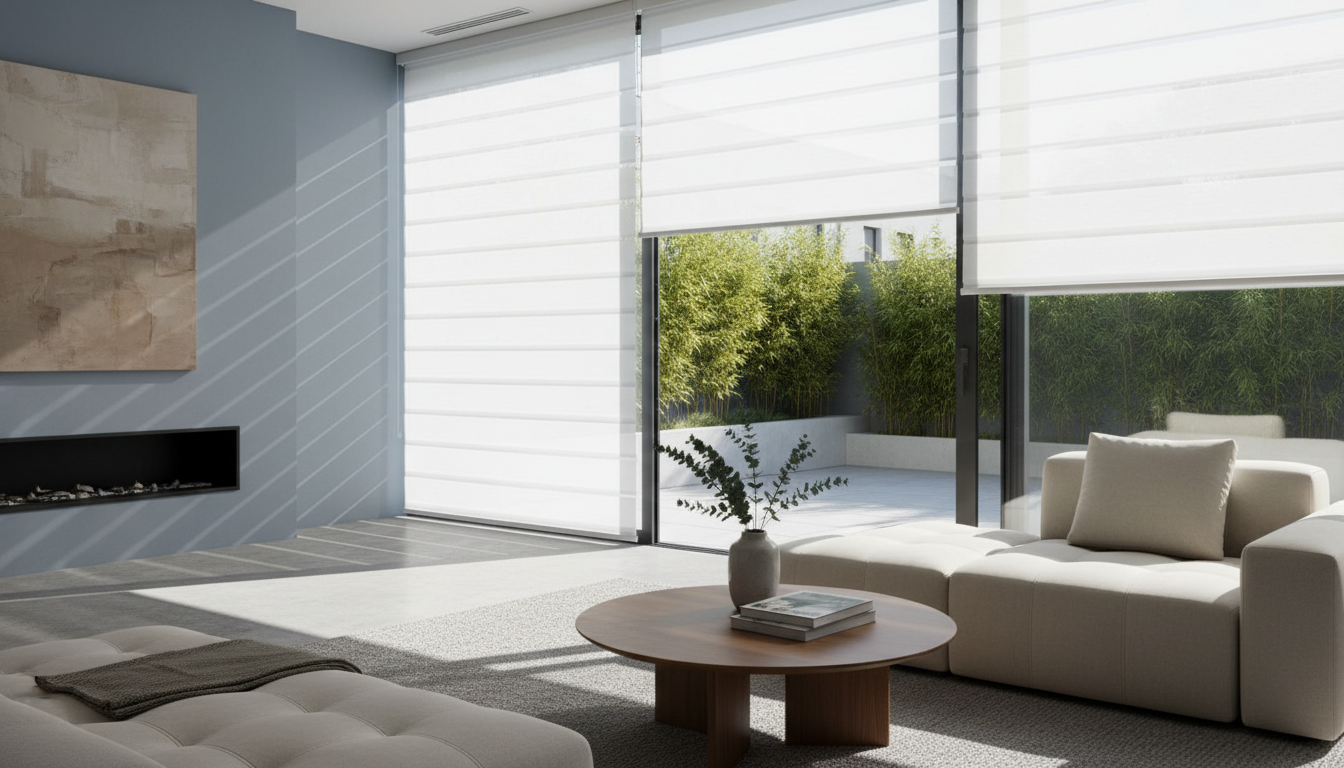
If you need a quick solution without waiting weeks for custom orders, ready-made dual layer zebra shades hit the sweet spot. These come in standard sizes but don't sacrifice quality. They're cordless, light-filtering, and install in about 10 minutes.
The dual-layer construction gives you flexibility throughout the day. Morning coffee with soft filtered light? Align the sheer bands. Afternoon nap? Shift to the solid bands for darkness. The spring-loaded mechanism holds them at any height without cords dangling everywhere.
We've found these work best for standard-sized windows—think 24" to 36" wide. They're not custom-fitted, but if your windows fall within common dimensions, the value is hard to beat. The light-filtering fabric blocks about 50-60% of sunlight while maintaining some outside view.
Soho Classic Zebra Shades for Sliding Doors
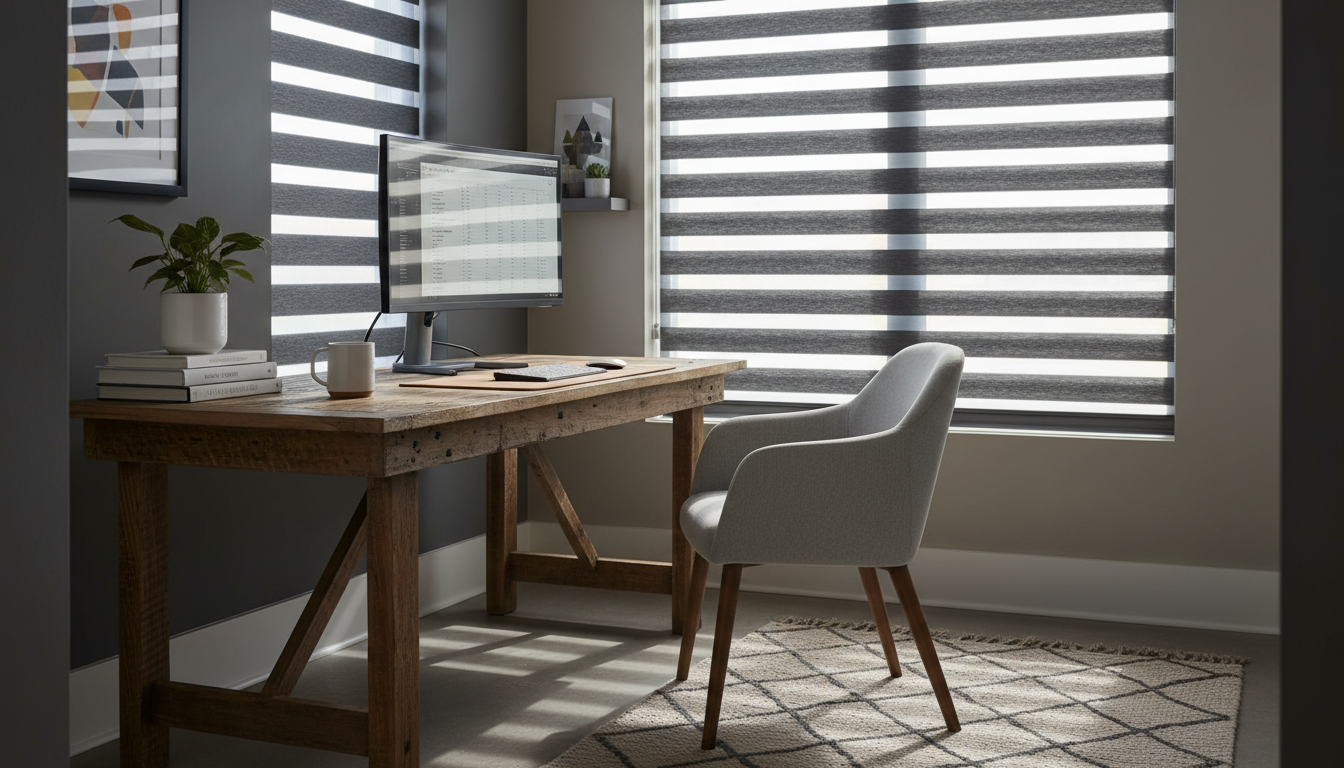
Zebra shades are popular for sliding glass doors and can be installed as one large shade or broken into multiple shades depending on door size. Our Soho Classic option handles wide openings that would make other blinds sag or bind.
Sliding door coverage is tricky. You need something that won't interfere with the door operation while still providing coverage. Zebra blinds for sliding doors offer light control flexibility by easily adjusting between sheer panels and solid panels, plus their space-saving design doesn't obstruct door operation or outdoor views. The Soho style mounts above the door frame and rolls up completely when you want an unobstructed view.
The fabric quality here is noticeably better than budget versions. It resists fading even with direct sun exposure, and the banding pattern stays aligned after hundreds of uses. Installation requires two people for doors wider than 6 feet, but the included hardware makes it straightforward.
Custom Dual Layer Zebra Shades
When standard sizes won't cut it, custom dual layer zebra shades solve the problem. Oddly-shaped windows, oversized openings, or specific color matching all fall under this category. You specify exact measurements, fabric type, color, opacity level, and mounting preference.
The customization process takes longer—usually 2-3 weeks—but you're getting blinds built for your exact specifications. This eliminates the light gaps you often see with ready-made options that don't quite fit. Premium fabrics or blackout options cost more than basic sheer materials, and customization features like motorization or special cassette designs add to overall cost.
We recommend custom for any window over 60" wide or for situations where you need blackout capability. The cost increase is worth it when you're not compromising on fit or function. These also come with longer warranties since they're made to order.
No Drill No Tools Installation Option
Renters or anyone avoiding permanent holes will appreciate the No Drill No Tools Zebra Shades. These use tension brackets or adhesive mounts that hold surprisingly well without damaging walls or window frames.
Installation takes about 5 minutes per window. Clean the surface, apply the adhesive brackets, snap in the blind. Done. We tested the weight capacity with a 48" wide shade—it stayed put for months without sagging. The adhesive is strong enough to hold but removes cleanly when you need it gone.
The trade-off is width limitation. These work best for windows under 48" wide. Beyond that, the weight becomes too much for adhesive mounts. But for apartments, temporary living situations, or just avoiding the hassle of drilling, this option delivers.
Choosing the Right Opacity Level
You can choose light filtering fabric for better light filtration or blackout fabric for more privacy and light blockage. Light-filtering lets about 40-60% of light through while obscuring direct views. Room-darkening blocks 80-90%. Blackout blocks 95-100%.
Your room function determines the right choice. Bedrooms usually benefit from room-darkening or blackout. Living rooms and kitchens work well with light-filtering. Home offices can go either way depending on window direction and screen placement.
Don't assume blackout means pitch black. Some light still leaks around edges unless you add side channels. But for most people, room-darkening provides enough darkness for sleep without the premium cost of true blackout fabric.
Maintenance and Longevity
Regular dusting with a feather duster or soft microfiber cloth keeps zebra blinds fresh, and for deeper cleaning, use a mild detergent solution with a damp cloth. Avoid harsh chemicals or abrasive tools that could damage the fabric weave.
High-end zebra blinds last 7-10 years with proper care. The fabric resists fading better than cheaper versions, and the mechanisms hold up to daily use. We've seen budget models start sticking or fraying after 18 months, while quality versions still operate smoothly after 5 years.
The cordless and motorized mechanisms require less maintenance than corded versions. No cords to tangle or replace. The spring systems in cordless models occasionally need tension adjustments, but that's a 2-minute fix with the included tools.
Conclusion
High-end zebra blinds solve real problems: light control without darkness, privacy without isolation, style without sacrificing function. The 7 options we covered represent different priorities—quick installation, custom sizing, bold design, sliding door coverage, office functionality, and renter-friendly mounting.
Your best choice depends on your specific situation. Standard windows with typical dimensions? Ready-made options work great. Sliding doors or oversized openings? Go custom or specialized models. Apartments or rentals? No-drill versions save your deposit. Home office with screen glare? The transitional style addresses that specifically.
Quality zebra blinds are an investment, but they'll outlast cheaper alternatives by years while looking better the whole time. Start with one room to test a style you like, then expand from there. Your windows—and your electric bill—will thank you.
FAQs
What's the difference between light-filtering and room-darkening zebra blinds?
Light-filtering zebra blinds allow 40-60% of natural light to pass through while providing daytime privacy. You can still see shadows and shapes outside, but details are obscured. Room-darkening blocks 80-90% of light, creating a dimmer environment suitable for bedrooms or media rooms. Blackout versions block 95-100% of light but cost more and may still allow some edge leakage without side channels. Your choice depends on room function and personal light sensitivity.
Can zebra blinds work on sliding glass doors?
Yes, zebra blinds work well on sliding glass doors when sized appropriately. You can install one large shade for the entire door or split it into multiple sections for independent control. The key is ensuring the blind doesn't interfere with door operation—mount it above the frame with enough clearance. For doors wider than 8 feet, multiple shades often work better than one massive unit. Look for options specifically designed for large openings with reinforced fabric and hardware.
How do cordless zebra blinds stay in position?
Cordless zebra blinds use a spring-loaded mechanism inside the roller tube. When you pull the bottom rail down or push it up, the spring engages to hold the shade at that height. A gentle tug in either direction releases the mechanism for adjustment. The springs are calibrated for the blind's specific weight, so they maintain consistent tension. Over time (usually 5-7 years), springs may need adjustment or replacement, but quality models hold position reliably for years.
Are motorized zebra blinds worth the extra cost?
Motorized zebra blinds make sense for hard-to-reach windows, smart home integration, or anyone with mobility limitations. They cost 50-100% more than manual versions but add convenience—control from your phone, voice commands, or scheduled automation. For windows you adjust daily, motorization saves time. For windows you rarely touch, manual operation works fine. The motors themselves are reliable and typically last 7-10 years before needing battery replacement or motor servicing.
How do I clean zebra blinds without damaging them?
Regular dusting weekly with a microfiber cloth or feather duster prevents buildup. For deeper cleaning, use a slightly damp cloth with mild soap (dish soap works) and gently wipe in the direction of the fabric bands. Avoid harsh chemicals, bleach, or abrasive scrubbers that can damage the weave or fade colors. Don't soak the fabric—spot clean only. For stubborn stains, professional blind cleaning services can handle it without risking damage. Most high-quality zebra blinds resist dust better than traditional horizontal blinds.
Share