

Noise Reduction
37 products
Sort by:
37 products


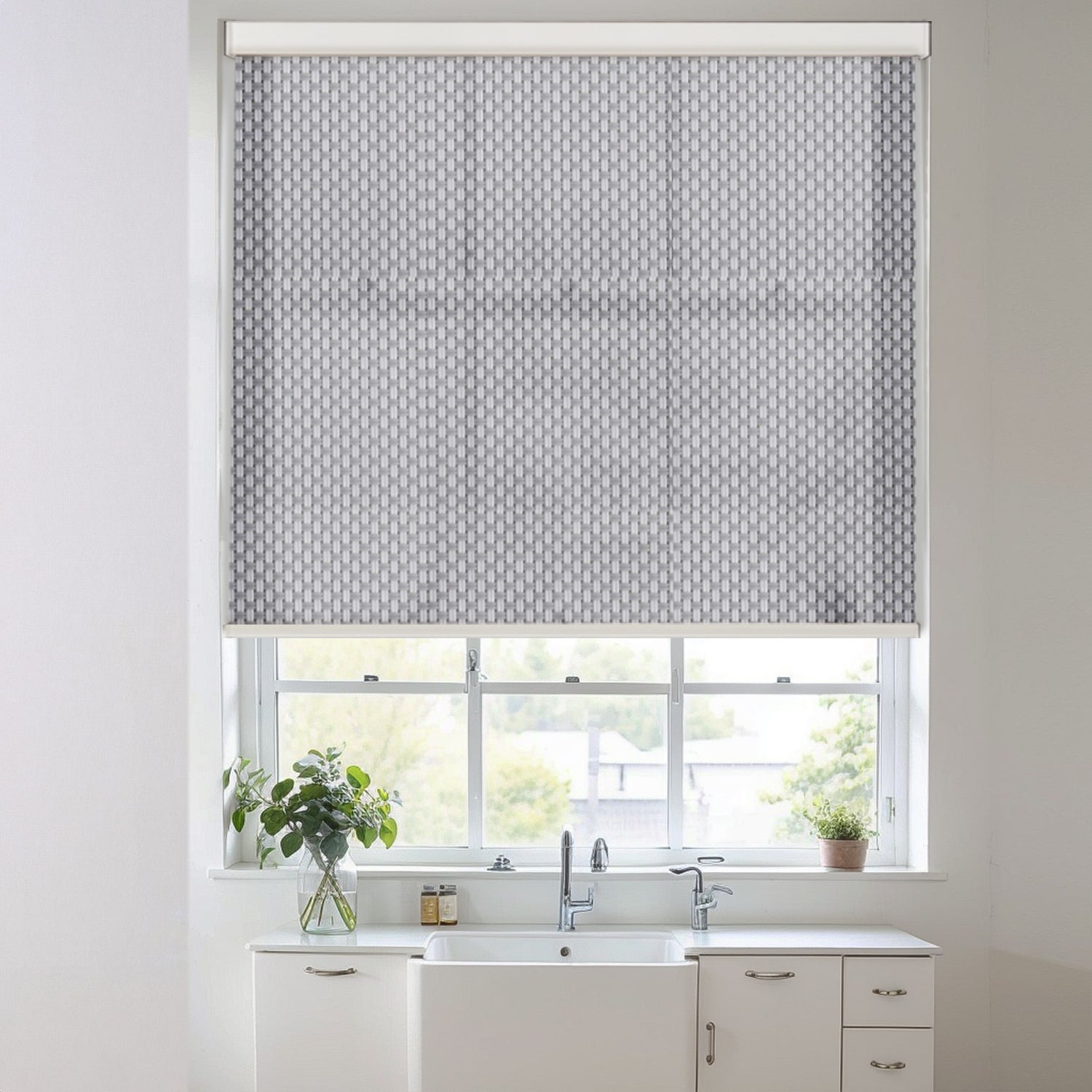

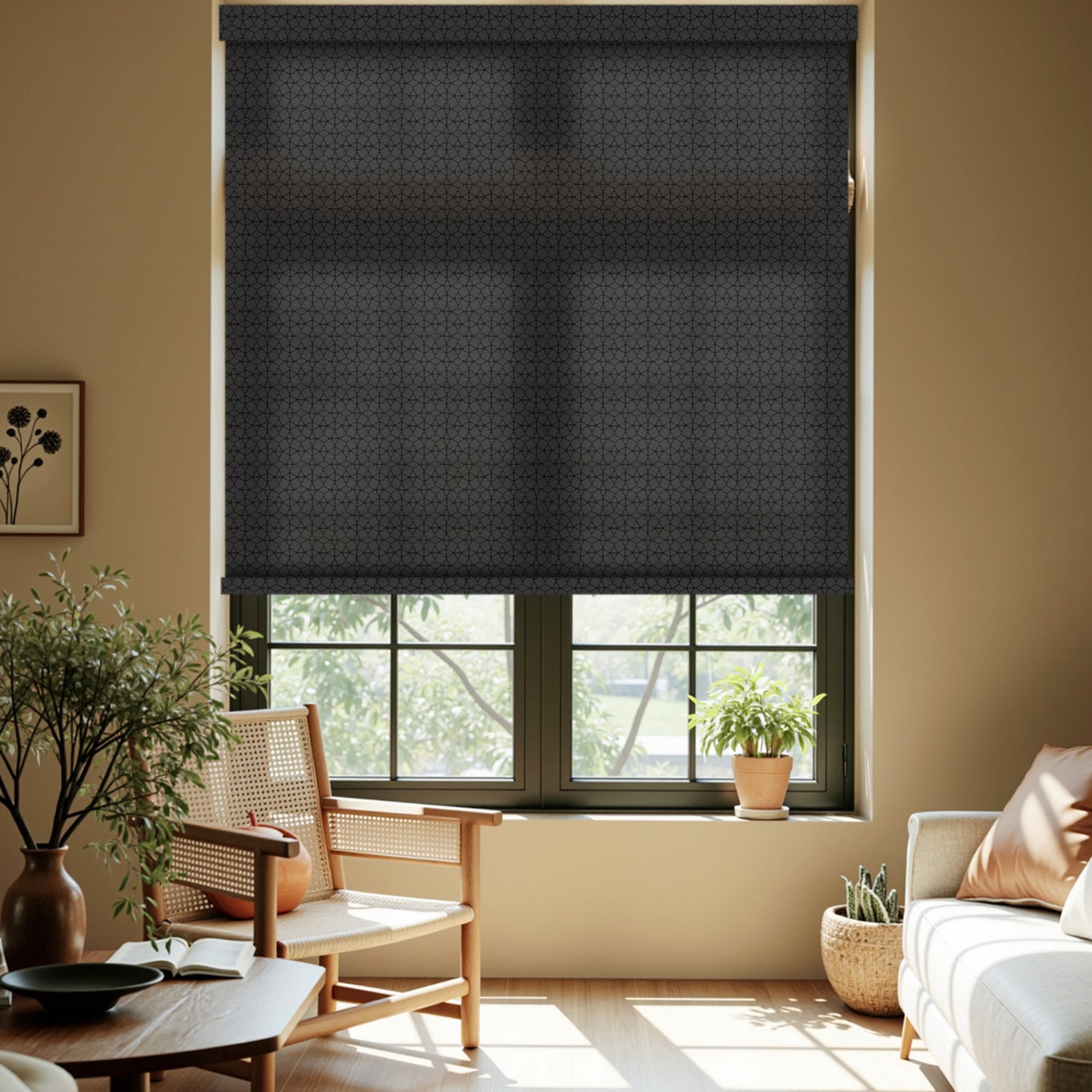


Noise Reducing Window Shades for Everyday Comfort
Street traffic, nearby conversations, and the general hum outside can feel sharper when sound meets bare glass. Noise reducing window shades place a soft fabric layer across that hard surface, where they may absorb some sound and soften reflections inside the room.
A shade will not soundproof a window, but it can be a thoughtful part of a more comfortable space. Material, construction, coverage, light control, and fit all deserve a look, especially when the window also needs privacy or better glare control.
A Softer Surface at the Window
Take the Edge Off Reflections Textile surfaces absorb more sound than bare glass. Across a broad window, that added softness may reduce some reflected sound in home offices, living rooms, and media spaces, helping the room feel less stark.
Notice the Layers Honeycomb cells, folded fabric, and denser layered materials place more structure between the room and the glass. The difference you notice will depend on the shade, glazing, frame, noise source, and the other surfaces in the room.
Pair Comfort with Light Control Light-filtering fabric can preserve daylight, while blackout fabric is designed for stronger light control and privacy. Blackout describes opacity, not a measured acoustic rating, so treat these as separate parts of the decision.
Finding a Shade That Fits the Room
Details That Matter Beyond the Fabric
Each option above has its own fabric, structure, opacity, controls, and mounting choices. Product pages are the best place to confirm those details because one noise reducing blind may feel and function quite differently from another.
Fabric samples let you compare color, texture, thickness, and light transmission beside the actual window. They cannot predict acoustic performance, but they can make the material decision more tangible. Before ordering, follow the AOSKY measuring guide and verify the product-specific dimensions for your preferred mount.
Explore Another Layered Construction Cellular shades use folded honeycomb cells to add structured material at the window, making them a relevant style to explore for noise comfort. Browse the collection for light control, color, operating style, and fit, without treating the construction as a verified acoustic rating.
Frequently Asked Questions
They may absorb some sound and soften reflections, but the change depends on the shade, window, fit, room, and type of noise. The goal is a gentler sound environment, not silence.
Cellular shades and denser fabric shades are practical constructions to explore because they add folded or layered textile material over the glass. The product's actual materials and fit matter more than the category name alone.
No. Interior shades do not create the sealed barrier needed for soundproofing. Noise moving through glazing, frames, vents, or wall gaps may require repairs or a dedicated acoustic solution.
No. Blackout refers to light control. A dense blackout shade may also soften some sound, but opacity is not proof of acoustic performance.
An outside mount can cover more of the opening, while an inside mount gives a neat, recessed appearance. Window depth, trim, product compatibility, and your light and privacy preferences will help determine the better fit.