

Recreational Vehicle
16 products
Sort by:
16 products


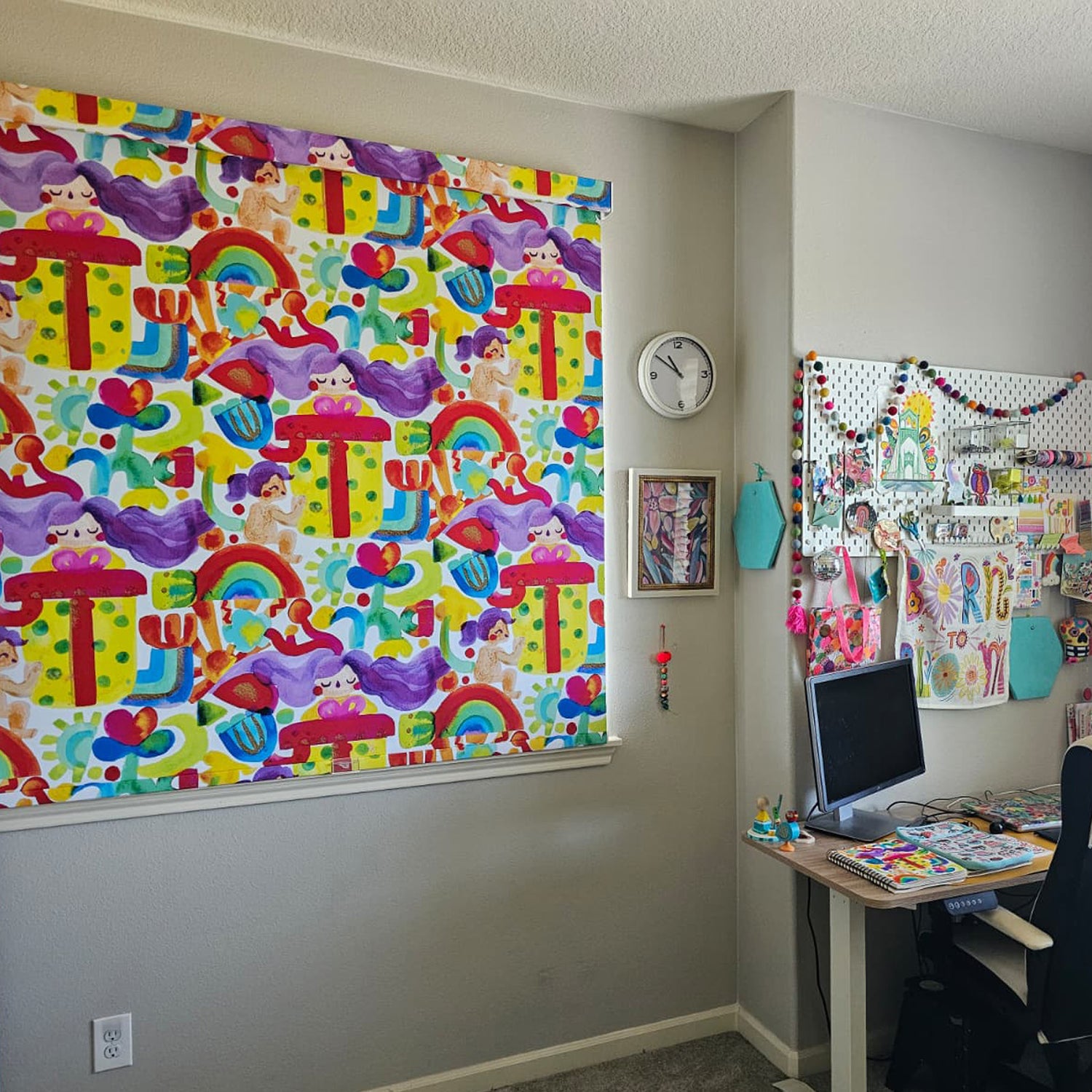

Interior RV Window Shades for Compact, Hard-Working Spaces
RV window shades manage daylight, privacy, and glare where every inch matters. Camper, van, and motorhome openings may have shallow frames, screens, latches, trim, or cabinets close by. This assortment is for interior RV windows, not exterior windshield covers.
The selection is led by RV roller shades, with a few Roman styles and both blackout and screen-view light-filtering fabrics. Available colors, sizes, controls, and hardware vary by product. Inclusion here does not mean a shade fits every vehicle or opening.
Light and Privacy Across the RV
Softer Daylight at the Dinette Screen-view light-filtering fabric softens bright daylight while retaining more of the outside view. It can ease glare without making a compact dinette or lounge feel closed in. More opaque fabric reduces more incoming light for bunks and windows facing campground lighting.
Privacy at a Busy Campsite A lowered shade adds coverage when the next campsite is close. Nighttime privacy still depends on fabric openness, interior lighting, tinted glass, and edge gaps. A fabric sample viewed after dark is more informative than a screen image alone.
A Neater Profile Near Cabinets Roller shades raise into a compact profile, useful near overhead storage or narrow trim. Roman shades form soft folds and need room for the fabric stack. Either style must clear handles, furnishings, and window hardware.
Fit Details for a Moving Cabin
Fabric in Your Camper's Own Light
Ordering fabric samples reveals color, texture, openness, and opacity inside the actual RV. Tinted glass, screens, finishes, and changing daylight can alter the result. Viewing the material by day and with interior lights on is useful for privacy.
The AOSKY RV window-shade guide adds camper-specific context. An opening-by-opening worksheet can keep dimensions, depth, obstructions, and fabric choices together. Unusual frame shapes, surfaces, or heat conditions warrant a fit conversation with AOSKY support before ordering.
A No-Drill Route for the Right Opening Drilling is not practical in every camper wall or window surround. AOSKY no-drill shades offer a related installation path, but fit remains specific to the product and opening. Dimensions, frame depth, mounting surface, hardware, and operating clearance still need verification.
RV Shade Fit Questions
No. Fit depends on the opening, frame depth, mounting surface, hardware clearance, available dimensions, and product configuration. Even windows in one vehicle may differ.
Three width and three height measurements are needed. AOSKY uses the narrowest width and longest height as the exact opening size; recess depth and obstructions are recorded separately.
Light-filtering fabric suits daylight and views; more opaque fabric may suit bunks or nighttime lighting. Edge gaps still affect darkness and privacy.
Possibly, when the new shade's size, mount, depth, hardware, and clearance match the opening. The old blind's label cannot replace fresh measurements.
They may suit openings where drilling is undesirable, but no-drill does not mean universal fit. The product's mounting method, dimensions, frame depth, and clearances still matter.