

Can You Hang Roman Shades Over Blinds? Your Complete Guide
Layering window treatments has become a popular design choice for homeowners who want more control over light, privacy, and style. If you're wondering whether you can hang roman shades over blinds, the short answer is yes—and it's easier than you might think.
This combination gives you the best of both worlds: the functional light control of blinds and the soft, elegant look of roman shades. We'll walk you through everything you need to know about making this layered look work in your home.
Why Layer Roman Shades Over Blinds?
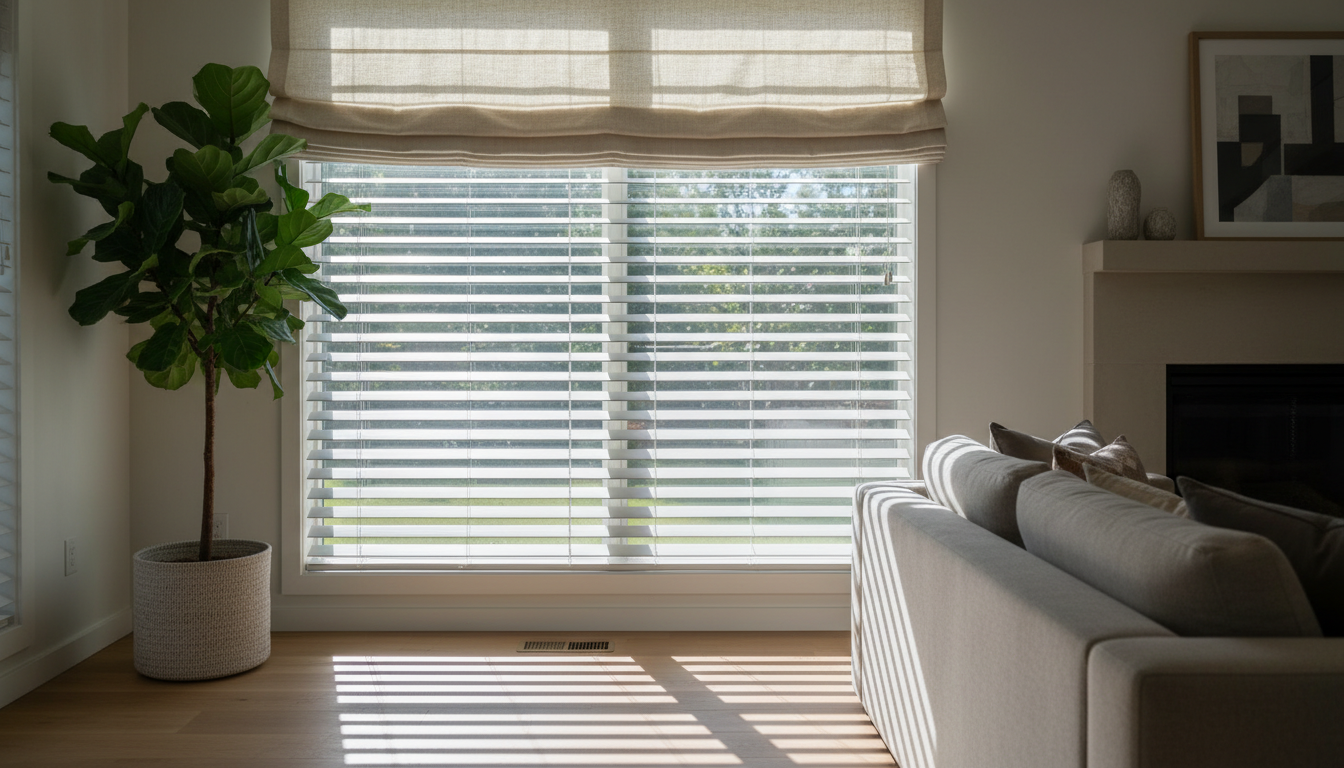
Combining roman shades with blinds creates a layered window treatment that offers several real benefits. You'll get more flexibility in how you control natural light throughout the day. With blinds, you can tilt the slats to filter sunlight, and with roman shades, you can completely cover the window when needed.
This setup also gives you more privacy options. During the day, you might keep your blinds closed but tilted for light. At night, you can lower your roman shades for full coverage. The layered look adds texture and depth to your windows, making them a focal point in the room rather than an afterthought.
Another bonus: better insulation. Two layers of window treatments help regulate temperature better than one, which can lower your energy bills. The combination blocks more light from entering around the edges compared to using just one treatment alone.
How to Install Roman Shades Over Blinds
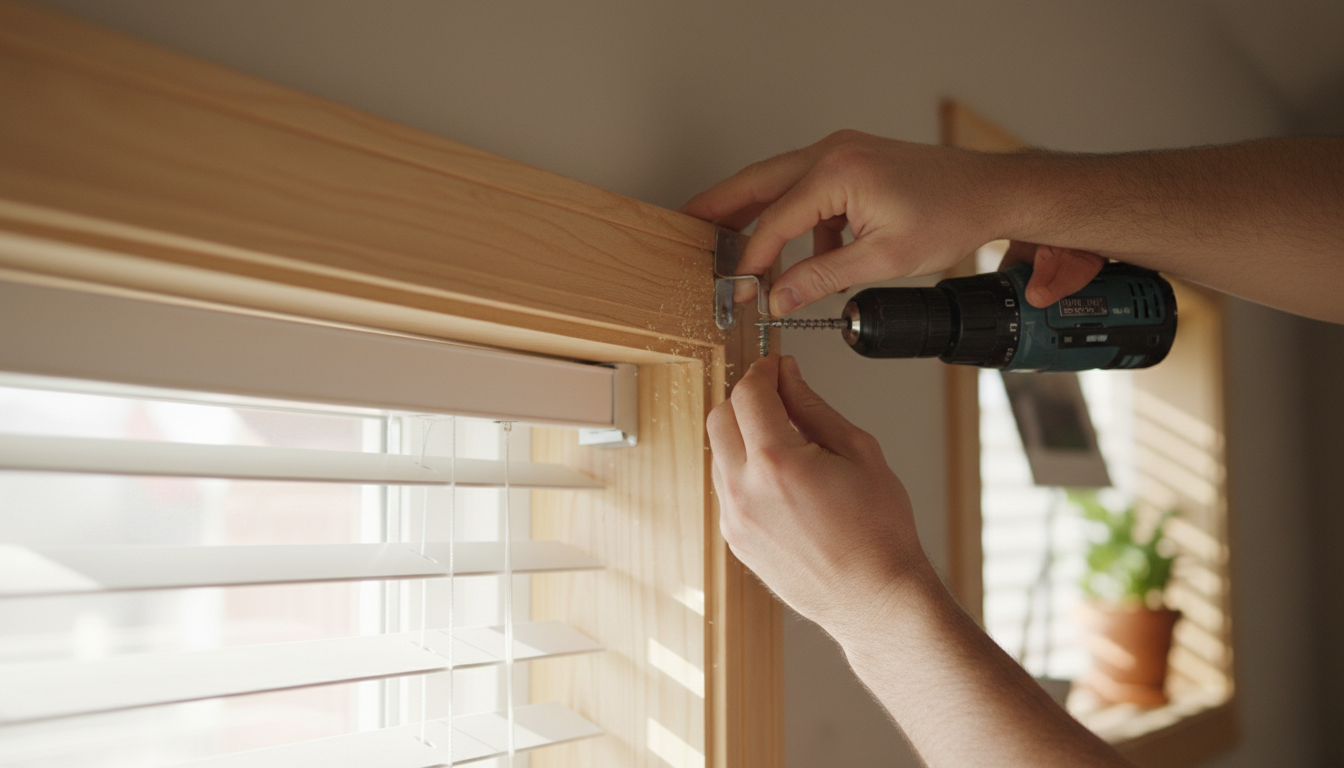
The key to this setup is using different mounting positions for each treatment. Your blinds should be inside-mounted, meaning they fit within your window frame. Your roman shades should be outside-mounted, positioned on the wall or trim above and around the window opening.
Start by installing your blinds first. Mount them inside the window frame according to the manufacturer's instructions. Make sure they operate smoothly and don't stick out beyond the frame edge. This creates a clean base layer that won't interfere with your roman shades.
Next, measure for your outside-mount roman shades. You'll want them to extend at least 2-3 inches beyond each side of your window frame to block light gaps and cover the blinds completely. Mount the shade brackets on the wall above your window, making sure they're level. The shades should hang far enough from the wall to clear your blinds when lowered.
How to Choose the Right Combination
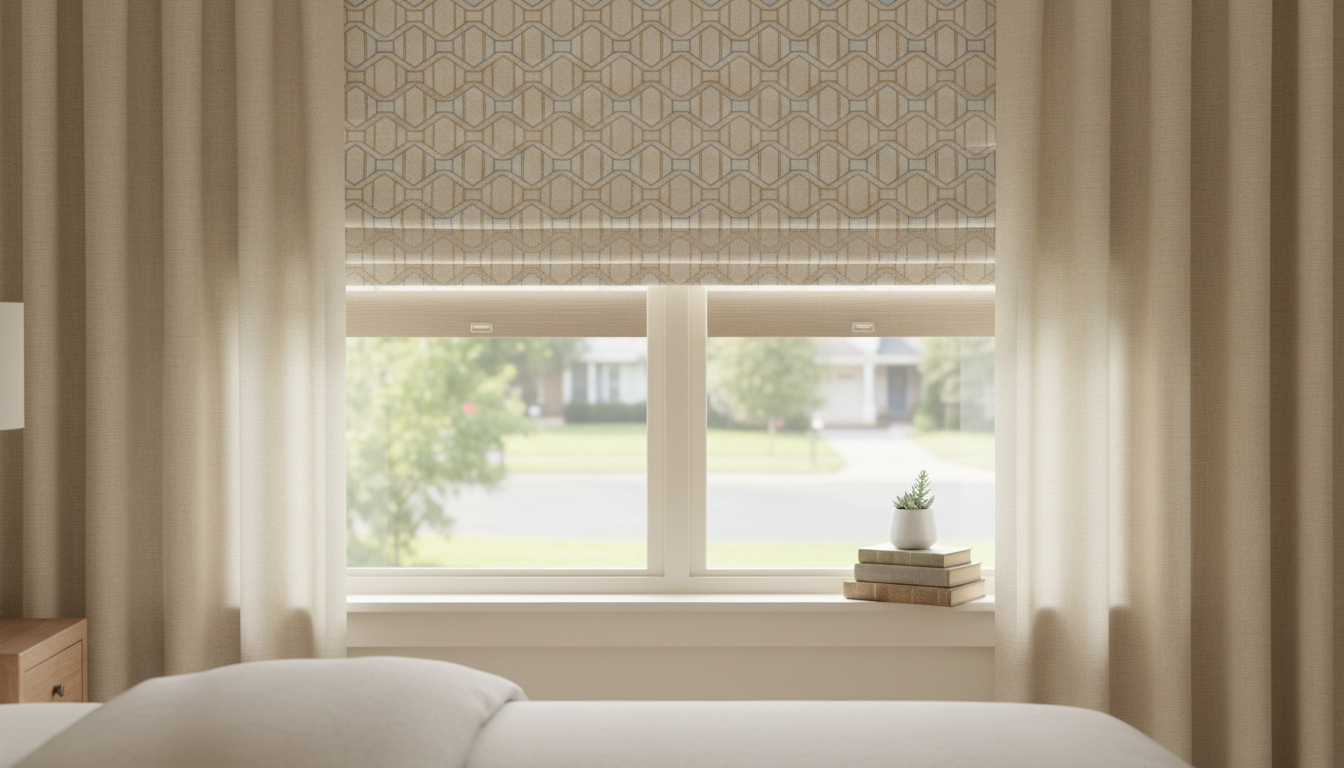
Not all blinds and shades work equally well together. Think about what you need from each layer. If your main goal is blackout capability, pair light-blocking blinds with blackout-lined roman shades. For a softer, more decorative look, consider pairing zebra shades or roller shades with light-filtering roman shades.
Color coordination matters too. You can go two ways here: either match the colors for a cohesive, pulled-together look, or create contrast with complementary colors. A popular approach is to keep your blinds neutral—white, beige, or gray—and then add personality with patterned or colored roman shades.
Consider the scale of your windows as well. Larger windows can handle more substantial layering, while smaller windows might look overwhelmed with heavy treatments on both layers. For small windows, stick with streamlined blinds like cellular shades and simple roman shade styles.
Design Considerations and Style Tips
When layering window treatments, you want each layer to serve a purpose without competing for attention. Choose one treatment to be your "star" and let the other play a supporting role. If your roman shades feature a bold pattern, keep your blinds simple and neutral. If your blinds are a statement piece (like stained wood), opt for solid-colored roman shades.
Texture creates visual interest in layered treatments. Pair smooth shangri-la sheer shades with textured fabric roman shades, or combine sleek metal blinds with soft linen roman shades. This contrast makes the layered look feel intentional rather than cluttered.
Don't forget about hardware. Your roman shade mounting brackets will be visible, so choose a finish that coordinates with other fixtures in the room. If you have brushed nickel door handles and light fixtures, select brackets in the same finish for a cohesive look.
Common Challenges and Solutions
One concern people have is whether the layered look will appear too heavy or bulky. The trick is maintaining proper proportions. Your blinds should sit flush or nearly flush with your window frame, and your roman shades should have enough clearance to operate without catching on the blinds.
Another challenge is making sure both treatments operate independently. Test this before finalizing your installation. Lower and raise your blinds with the roman shades up, then lower your roman shades with the blinds in various positions. Both should move freely without interference.
Some homeowners worry about the room feeling darker with two layers. If this is a concern, choose light-filtering options for at least one layer. You might use translucent blinds with room-darkening roman shades, giving you the option to filter light during the day and block it completely at night. For rooms where you want maximum natural light, consider woven wood shades as your base layer—they allow light through while still providing some privacy.
Making the Most of Your Layered Look
Once you've installed both treatments, experiment with different configurations throughout the day. You might discover that you prefer your blinds closed but tilted open during morning hours, with roman shades raised. In the afternoon, you might close the roman shades partially while leaving blinds open.
The layered approach also gives you seasonal flexibility. During hot summer months, you can keep both layers closed during peak sun hours to reduce heat gain. In winter, open both treatments during sunny days to let in warming sunlight, then close them at night for insulation.
Maintenance becomes a bit more involved with layered treatments, but it's manageable. Dust your blinds regularly with a microfiber cloth or vacuum attachment. Roman shades typically need less frequent cleaning—spot clean as needed or follow the care instructions for your specific fabric.
Conclusion
Yes, you can absolutely hang roman shades over blinds, and doing so offers real benefits beyond just looks. This combination gives you superior light control, better privacy options, improved insulation, and a designer look that adds depth to your windows.
The secret to success is proper installation: inside-mount your blinds and outside-mount your roman shades. Choose complementary styles and colors that work together without competing. With a bit of planning and the right measurements, you'll create a layered window treatment that's both beautiful and functional.
Whether you're looking to upgrade a single room or your entire home, layering roman shades over blinds is a smart design choice that delivers on both style and substance. Visit Aosky to explore options that work perfectly together, and check out our roman shade pattern guide for more inspiration.
FAQs
Can you put roman shades over existing blinds without removing them?
Yes, you can install roman shades over existing blinds without removing the blinds. The key is to mount the roman shades on the outside of your window frame (outside mount) while your blinds remain inside-mounted. This way, the roman shades hang in front of the blinds without interfering with their operation. Just make sure to measure carefully so your roman shades extend beyond the window frame edges to fully cover the blinds and block light gaps.
Will layering roman shades over blinds make my room too dark?
Not if you choose the right opacity levels for each treatment. The beauty of layering is flexibility—you can operate each treatment independently. Consider pairing light-filtering blinds with your roman shades so you can adjust them throughout the day. During daytime, raise your roman shades and adjust your blinds for filtered natural light. At night, lower your roman shades for privacy and darkness. You control exactly how much light enters your space at any time.
What's the best mounting combination for hanging roman shades over blinds?
The most effective setup is inside-mount blinds with outside-mount roman shades. Install your blinds first, fitting them within your window frame so they sit flush or slightly recessed. Then mount your roman shades on the wall or trim surrounding your window, extending them 2-4 inches beyond the frame on all sides. This configuration prevents the two treatments from interfering with each other and gives you the cleanest, most professional-looking result.
Do I need special hardware to layer roman shades over blinds?
No special hardware is needed beyond standard mounting brackets for each treatment. Your blinds will use their included inside-mount brackets, and your roman shades will come with outside-mount brackets. The only consideration is making sure your roman shade brackets are positioned far enough from the wall to allow clearance for your blinds underneath. Most standard mounting systems handle this automatically, but double-check your measurements before drilling.
Which rooms work best for layering roman shades over blinds?
This combination works well in almost any room, but it's particularly popular in bedrooms, living rooms, and home offices. Bedrooms benefit from the enhanced light-blocking and privacy. Living rooms gain a polished, designer look with improved light control for TV viewing. Home offices appreciate the flexibility to reduce glare on screens while maintaining a professional appearance. The layered approach is also great for rooms with multiple windows where you want a cohesive, high-end look.
Share