
Home
/
Buyer Guide for Shades & Blinds
/
Cellular Shades: Single vs Double Cell - Which One Saves You More?

Cellular Shades: Single vs Double Cell - Which One Saves You More?
Shopping for cellular shades and stuck between single cell and double cell options? You're not alone. Both types promise energy savings and light control, but the difference between them goes way beyond just an extra layer of fabric.
We'll walk you through what really matters—insulation performance, cost differences, where each works best, and which option gives you better long-term value. No fluff, just the info you need to make the right call for your windows.
What Makes Cellular Shades Different
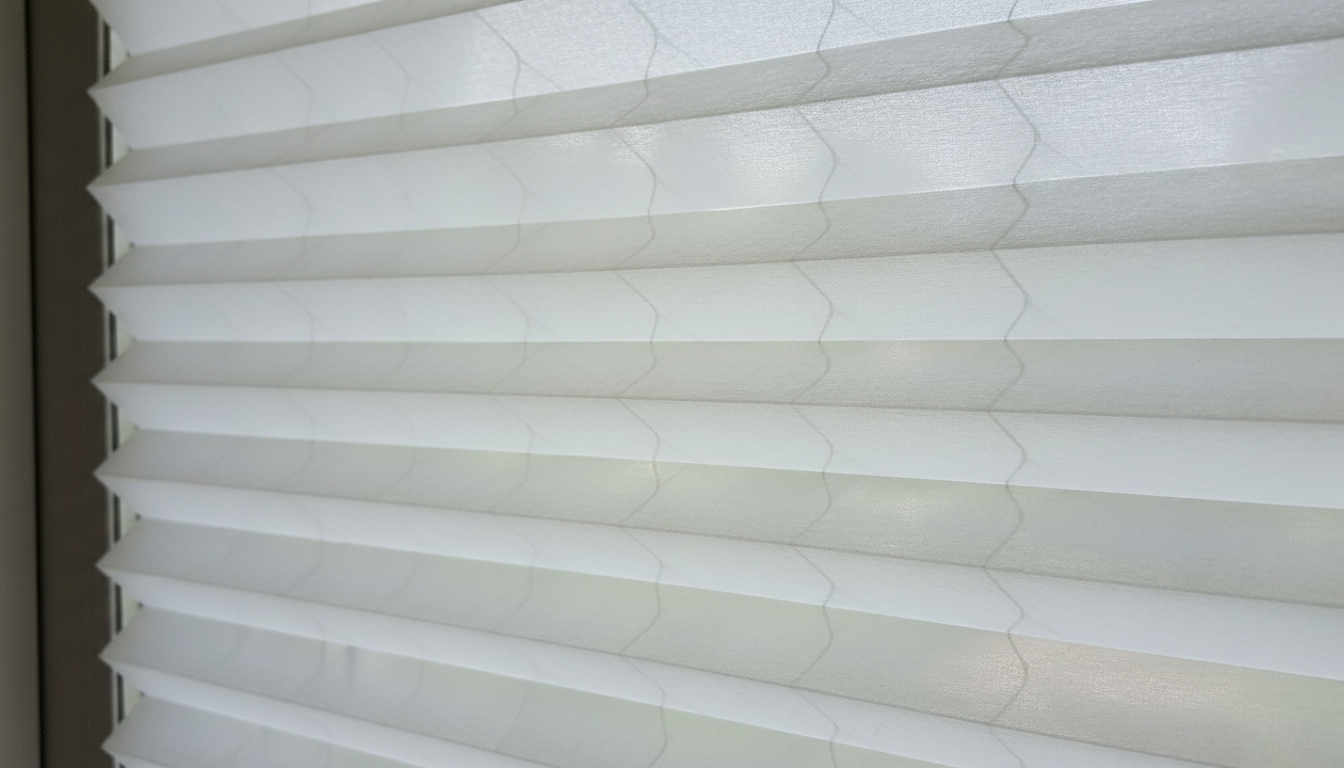
Cellular shades get their name from their honeycomb-shaped design. Picture a beehive—those hexagonal pockets aren't just for looks. They trap air, creating a buffer between your window glass and your room. This design blocks heat transfer better than flat shades or traditional blinds.
Both single and double cell shades use this same concept. The big difference? How many layers of those air pockets you get. Single cell has one row of honeycomb cells stacked vertically. Double cell has two layers working together—one facing your window, one facing your room. That extra layer changes how well the shade performs in several key ways.
Think of it like insulation in your walls. One layer helps. Two layers help more. Same principle applies here.
Single Cell Shades: When Less Is Enough
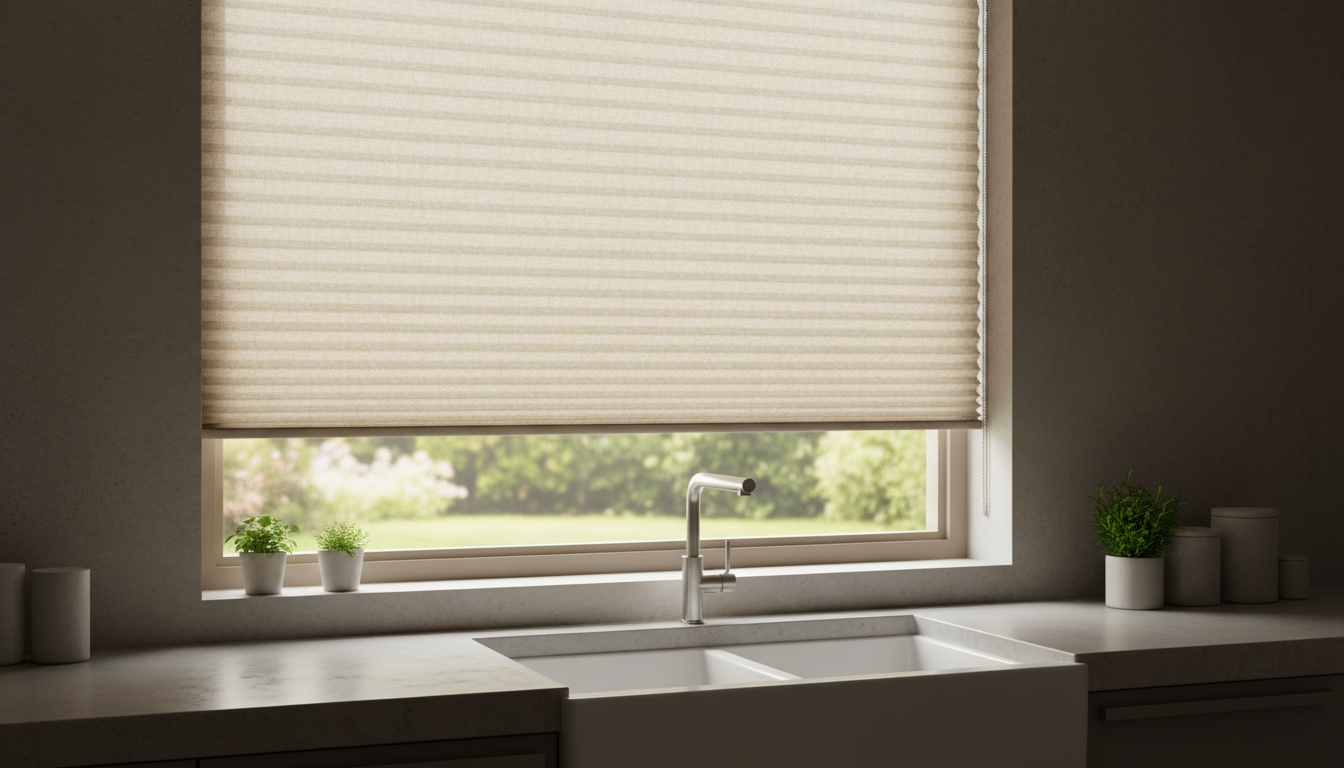
Single cell shades bring solid insulation without the bulk. They have one layer of honeycomb cells that trap air and slow down heat transfer. If you live somewhere with mild winters and summers, they'll handle temperature control just fine.
These shades work great in living rooms, kitchens, and dining areas—spaces where you want natural light and don't need maximum insulation. They're also lighter and easier to operate, especially on larger windows. The slim profile fits well in shallow window frames where a thicker shade might stick out awkwardly.
Cost-wise, single cell shades run cheaper than double cell. Less material means lower manufacturing costs, and you'll see that reflected in the price tag. For budget-conscious homeowners who still want energy savings over standard blinds, single cell delivers good value. Check out our roman shade collection for more window treatment options that balance style and function.
Double Cell Shades: Maximum Insulation Performance
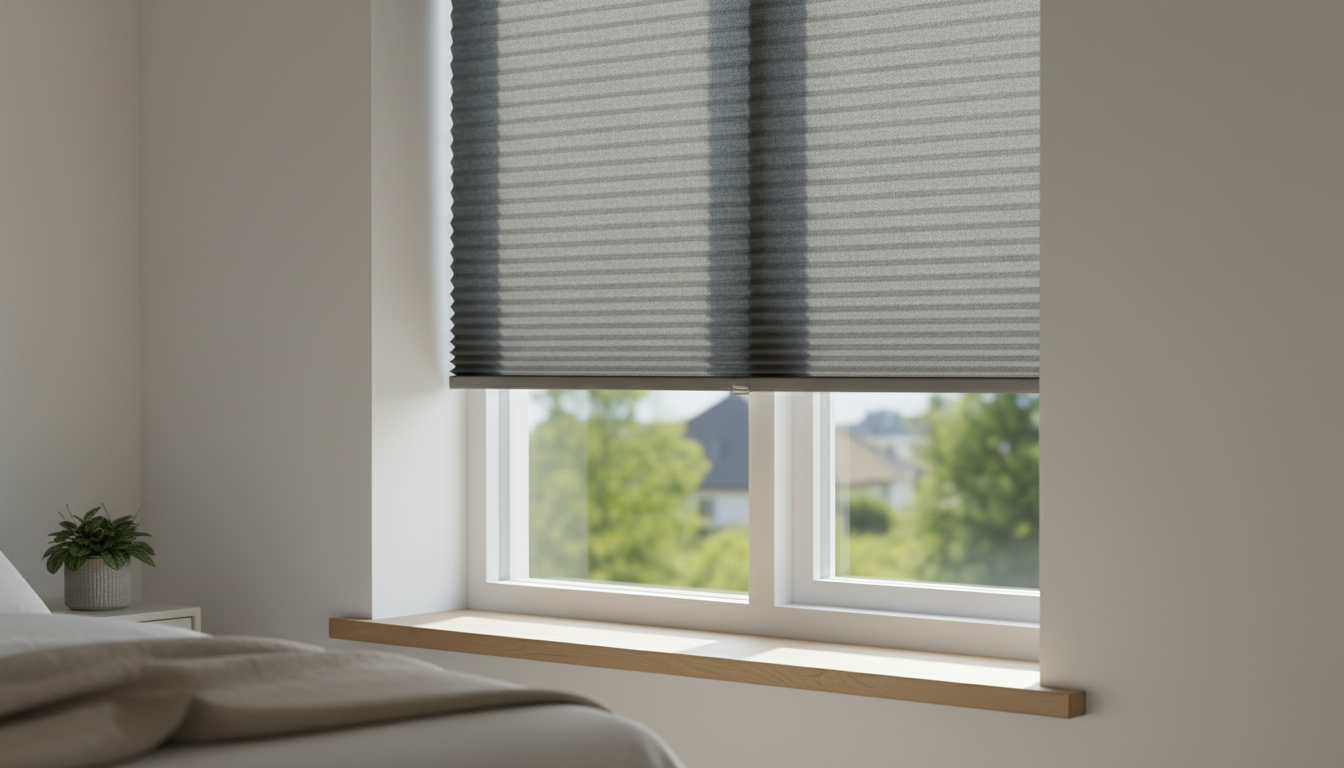
Double cell shades pack two layers of honeycomb cells into the same shade. Those extra air pockets create a stronger barrier against outside temperatures. In winter, they keep cold air from creeping in. In summer, they block heat before it warms up your room.
The insulation difference is measurable. While standard blinds have an R-value around 2.5, double cell shades can hit R-values between 3.25 and 5.0. Higher R-value means better insulation. Some blackout double cell shades even reach an R-value of 5.8.
Beyond temperature control, double cell shades also dampen sound better. The two layers of cells absorb noise from traffic, neighbors, or street activity. If you live on a busy road or in a noisy neighborhood, that extra sound absorption makes a noticeable difference. Bedrooms, nurseries, and home offices benefit most from this combo of insulation and quiet.
Energy Savings: Do They Really Cut Your Bills?
Yes, but how much depends on which type you choose and where you install them. According to the U.S. Department of Energy, properly installed cellular shades can reduce heat loss through windows by up to 40% in winter. That translates to roughly 10% savings on heating costs.
Double cell shades push those savings even higher because of their superior insulation. They block more solar heat gain in summer and retain more warmth in winter. Over time, the energy savings can offset the higher upfront cost—especially if you live somewhere with extreme temperatures.
Single cell shades still deliver energy savings compared to standard blinds or no window treatments at all. But if cutting energy bills is your top priority and you deal with harsh winters or scorching summers, double cell makes more financial sense long-term. Visit our homepage to explore energy-efficient window solutions.
Cost Comparison: What You'll Actually Pay
Single cell shades cost less upfront. The simpler construction with one layer of fabric keeps manufacturing and material costs down. You'll typically pay 20-30% less for single cell compared to double cell for the same window size.
Double cell shades come with a higher price tag because of the extra materials and more complex construction. But here's the thing—that higher cost often pays off through lower energy bills. If you live in an area with temperature extremes, you might recoup the extra cost within a few years through heating and cooling savings.
Window size also affects pricing. Larger windows need more material, so the cost gap between single and double cell widens as your windows get bigger. Custom features like motorization, top-down/bottom-up operation, or specialty fabrics add to the cost for both types.
Which Rooms Need Which Type
Match the shade to the room's needs. Single cell shades work well in moderate-climate rooms like living rooms, kitchens, and guest rooms where you want light filtering without maximum insulation. Their sleeker profile also suits smaller windows or spaces with a minimalist design vibe.
Double cell shades belong in bedrooms, nurseries, media rooms, and home offices—anywhere you need serious temperature control, light blocking, or noise reduction. They're also the smart pick for rooms with direct sun exposure that heats up fast in summer or feels drafty in winter.
Bathrooms can go either way. If it's a small window and you're budget-conscious, single cell works. If it's a large bathroom window facing harsh weather, double cell makes sense. For safety and style, consider our guide on cordless blinds for family-friendly options.
Making Your Decision
Choose single cell if you live in a mild climate, want to save money upfront, need a slim profile for shallow window frames, or you're covering windows in low-priority rooms where extreme insulation isn't needed.
Go with double cell if you deal with hot summers or cold winters, want maximum energy savings, need noise reduction, or you're outfitting bedrooms and other rooms where comfort matters most.
Both types come in light-filtering and blackout fabrics, so you're not sacrificing light control either way. The material opacity matters more than the number of cells when it comes to how much light gets through. But double cell does add a bit more light-blocking capability when paired with blackout fabric.
Conclusion
Single and double cell cellular shades both deliver better insulation than standard window treatments. Single cell shades offer a budget-friendly option with good energy performance for moderate climates. Double cell shades cost more but provide superior insulation, noise reduction, and long-term energy savings—especially in extreme weather.
Your climate, budget, and room needs should drive your decision. There's no wrong choice here, just the right fit for your specific situation. Both options beat standard blinds hands-down when it comes to keeping your home comfortable and your energy bills in check.
FAQs
Are double cell shades really worth the extra cost?
It depends on your climate and priorities. If you live somewhere with harsh winters or hot summers, the improved insulation and energy savings typically justify the higher price within a few years. For mild climates, single cell shades offer excellent value without the premium cost.
Do cellular shades help reduce outside noise?
Yes, both types help dampen sound. The honeycomb cells trap noise similar to how they trap air. Double cell shades absorb more sound because of their extra layer of cells. They won't soundproof a room completely, but they noticeably reduce traffic noise and neighborhood sounds.
Can I get blackout options in both single and double cell?
Absolutely. Both single and double cell shades come in blackout fabrics. The fabric opacity determines how much light gets through, not the number of cells. That said, double cell blackout shades typically block slightly more light because of the extra layer of material.
How long do cellular shades typically last?
With proper care, quality cellular shades last 7-10 years or more. Double cell shades may last slightly longer because of their thicker, more durable construction. Regular dusting and avoiding rough handling extends the lifespan of both types.
Will cellular shades fit in shallow window frames?
Single cell shades work better for shallow frames because of their slimmer profile. Double cell shades need more mounting depth because of their two-layer design. Measure your window depth before ordering, or consult with a professional to confirm which type fits your frame.
Share